Ceasefire Fragility in Lebanon Drives Toman Volatility; Bitcoin Stalls as Gold Hits New Peaks
تزلزل آتشبس در لبنان و نوسان در بازار ارز تهران؛ توقف بیتکوین در آستانه ۶۵ هزار دلار
A surge in geopolitical risk following Israeli strikes in southern Lebanon has sent the Iranian Toman down 1.4% against the USD. Meanwhile, Bitcoin faces stiff resistance below $65,000 as global investors pivot toward gold's safe-haven appeal.
At time of publishing
USD
161,050
Toman
Gold 18K
16.21M
Toman / gram
Bitcoin
$63,711
US Dollar
Tether
160,886.373
Toman
Geopolitical Risk Returns: Lebanon Strikes and the Toman's Reaction
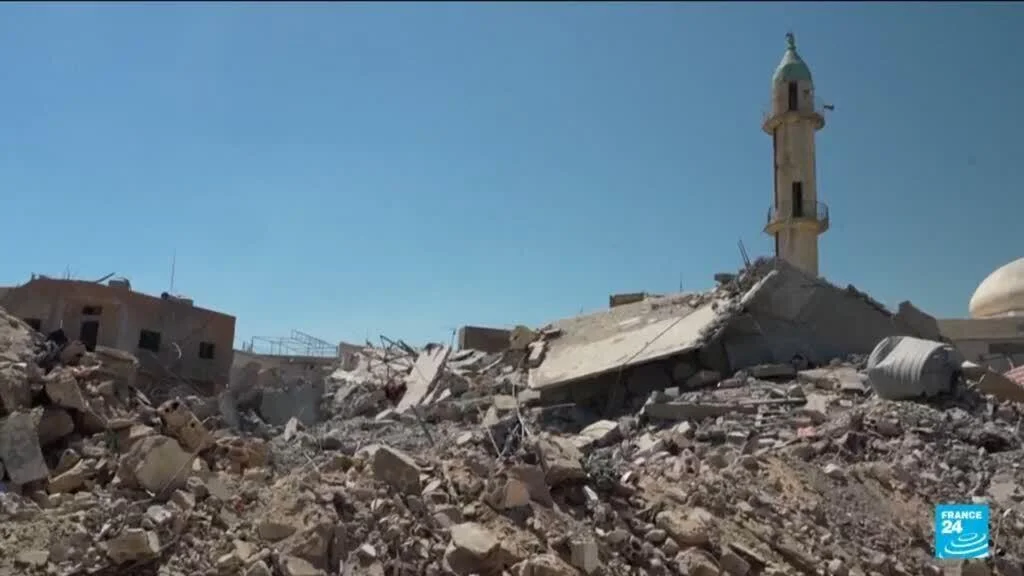
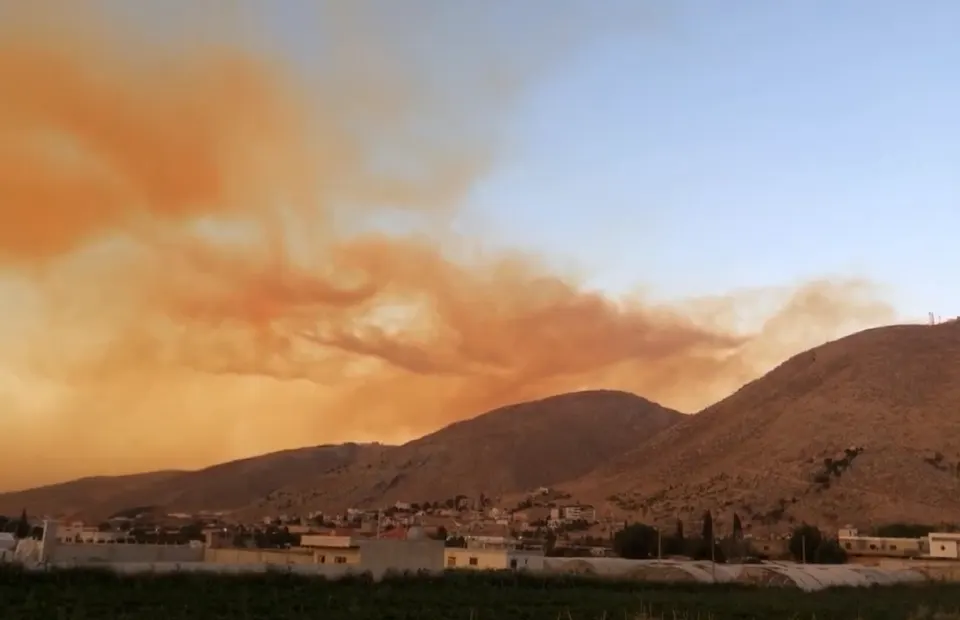
The fragile peace in the Levant has been tested once again as Israeli strikes targeted southern Lebanon this Saturday, despite a ceasefire agreement involving the Iran-backed Hezbollah group that was announced only a day prior. Reports from Lebanese official media indicate that at least five people were killed in these latest sorties. This immediate breach of the cessation of hostilities signals a high level of instability in the region, suggesting that the path to a permanent diplomatic solution remains fraught with tactical escalations. For the markets, this is a clear signal of 'risk-on' for volatility, as the shadow of a broader regional conflict refuses to dissipate.
In Tehran, the impact of this renewed tension was felt almost instantly across the currency and gold markets. The USD/IRR exchange rate moved from 158,750 to 161,050, representing a 1.4% increase in just 24 hours. The psychological barrier of 160,000 has been breached, reflecting a flight to safety among local investors who fear that any escalation in Lebanon could lead to tighter sanctions or direct disruptions in regional trade. The Emami coin saw an even more dramatic surge, jumping from 160,500,000 to 168,000,000 Toman, a 4.7% spike that highlights the intense domestic demand for hard assets during times of geopolitical uncertainty.
---
Diplomatic Deadlock: Frozen Assets and the Kushner Mission
While the situation on the ground remains volatile, the diplomatic arena is seeing a sharp escalation in rhetoric. Tehran has officially condemned a proposal by the U.S. Treasury to reallocate frozen Iranian state assets to compensate Washington’s regional allies. The High Council for Human Rights (HCHR) in Iran described the move as a flagrant violation of international law and the sovereignty of states. This development adds a layer of complexity to the already strained relations between the two nations, potentially serving as a major roadblock for the upcoming negotiations in Switzerland, where U.S. envoys like Jared Kushner and Steve Witkoff are reportedly heading.
What this means for the Iranian economy is a heightened sense of 'financial warfare.' If the U.S. proceeds with the reallocation of these assets, it would likely trigger a series of retaliatory legal or economic measures from Tehran, further isolating the Iranian financial system from the West. However, the fact that high-level U.S. envoys are still preparing for talks in Switzerland suggests that a back-channel for de-escalation remains open. Investors are watching these developments closely; any sign of a breakthrough in Switzerland could provide the much-needed relief the Toman needs to stabilize, while a collapse in talks would almost certainly drive the USD/IRR rate toward new record highs.

---
Global Markets: Bitcoin’s Resistance and Gold’s Dominance
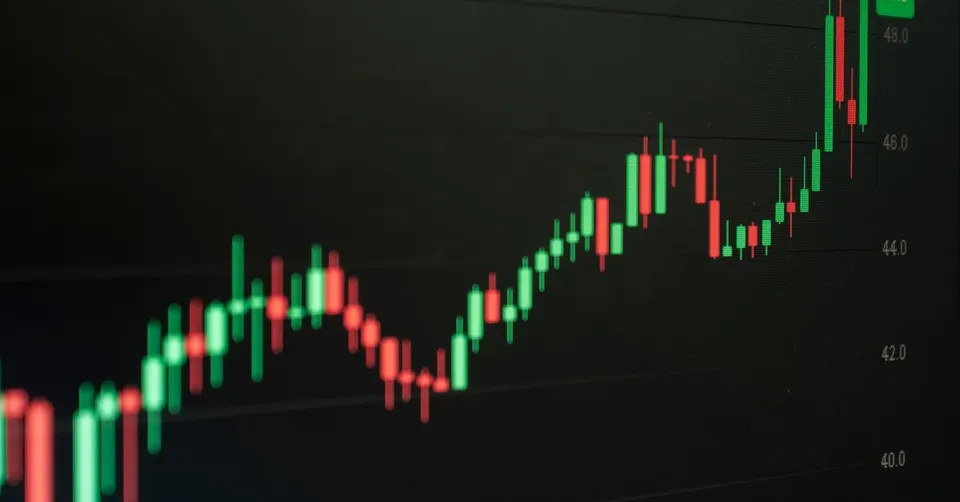
On the global stage, Bitcoin is struggling to maintain its momentum, stalling just below the critical $65,000 resistance level. Currently trading at $63,711, the premier cryptocurrency is facing significant pressure from an upcoming $13 billion options expiry, which many analysts believe could favor the bears in the short term. The inability to break the $65k mark has led to a cooling of sentiment in the crypto space, as traders wait for a clearer signal of liquidity injection or a shift in U.S. monetary policy. For Iranian crypto holders, this stagnation combined with the rising USD/IRR rate means that while the dollar value of their BTC is flat, its Toman value is actually increasing due to the local currency's depreciation.
In contrast, gold continues its relentless march upward, with the international spot price sitting at a staggering $4,156.70 per ounce. Locally, Gold 18k per gram rose from 15,918,324 to 16,208,966 Toman, a 1.8% gain. The divergence between Bitcoin’s hesitation and Gold’s strength suggests that traditional safe-haven assets are currently winning the battle for capital preservation. As long as the Middle East remains a tinderbox and global inflation concerns persist, gold is likely to remain the preferred vehicle for both institutional and retail investors looking to hedge against systemic risk.
---
Energy Shifts: The Trans-Saharan Pipeline Resurfaces
Amidst the regional chaos, a massive energy project in Africa is making headlines that could eventually impact global gas markets. The Trans-Saharan Gas Pipeline, a colossal project designed to transport Nigerian gas to Europe via Niger and Algeria, has seen construction resume on its Algerian section. This pipeline has the potential to fundamentally reshape the energy map of Europe, providing a non-Russian, non-Middle Eastern alternative for natural gas. For a major gas producer like Iran, this represents long-term competition in the European market, should sanctions ever be lifted to allow Iranian exports to the West.
This project highlights a broader trend of energy diversification. As Europe seeks to permanently decouple from traditional suppliers who are mired in geopolitical conflict, African nations are stepping up to fill the void. While the pipeline is still years away from completion, its progress signals that the global energy landscape is becoming increasingly fragmented. For the Iranian reader, this serves as a reminder that the window for re-entering the global energy market as a dominant player is not open indefinitely; as new infrastructures are built elsewhere, the strategic leverage of Middle Eastern gas may slowly begin to erode.
Watch
Residents flee as Israeli strikes target southern Lebanon • FRANCE 24 English
FRANCE 24 English
Frequently Asked Questions
Why did the Iranian Toman drop despite the ceasefire news?
What is the significance of Bitcoin stalling at $65,000?
How does the Trans-Saharan Gas Pipeline affect Iran?
Geopolitical Risk and Currency Volatility: The Ripple Effect
Geopolitical risk refers to the potential for political events, conflicts, or instability in one region to have significant economic consequences globally or in specific markets. These risks introduce uncertainty into financial systems, making investors wary and often leading to shifts in capital flows. When a region experiences heightened geopolitical tension, such as a fragile ceasefire or ongoing conflict, the perceived stability of its economy and currency can rapidly deteriorate, creating a ripple effect that impacts everything from foreign investment to local purchasing power.
One of the most immediate and visible impacts of geopolitical risk is on currency volatility. Currencies are essentially a country's economic scorecard, reflecting investor confidence in its stability and future prospects. When geopolitical tensions escalate, foreign investors may withdraw capital from the affected country or region, seeking safer havens elsewhere. This capital flight reduces demand for the local currency, causing its value to depreciate against major international currencies like the U.S. dollar. For instance, concerns over a ceasefire's fragility in Lebanon can signal broader instability in the Middle East, directly influencing the value of currencies like the Iranian Toman, especially given Iran's interconnectedness with regional events and its own economic challenges, such as frozen assets.
The depreciation of a national currency has severe domestic consequences. It makes imports more expensive, fueling inflation as the cost of foreign goods and raw materials rises. Citizens' purchasing power diminishes, and their savings, if held in the local currency, lose value. In response, people often seek to protect their wealth by converting local currency into more stable assets. This can include foreign currencies, but also tangible assets like gold. The "Emami coin jump" mentioned in the headline is a prime example of this phenomenon, where a local gold coin becomes a favored hedge against inflation and currency devaluation, driven by domestic economic anxieties exacerbated by geopolitical uncertainties.
Understanding geopolitical risk is crucial for anyone trying to make sense of global markets. It highlights how seemingly distant political events can have tangible, immediate effects on everyday financial realities, demonstrating the intricate web connecting international relations, economic policy, and individual wealth.