JLR Battery Crisis & Israeli Backlash: Toman Jumps 1.4% Amid Peace Deal Turmoil
بحران باتری در بریتانیا و شوک توافق صلح؛ دلار ۱۶۱ هزار تومان را لمس کرد
A massive construction failure at Jaguar Land Rover's battery supplier threatens the UK's EV future, while Israeli citizens express deep betrayal over a historic peace deal with Iran. Meanwhile, the Toman continues its climb, with USD reaching 161,050 in Tehran.
At time of publishing
USD
161,050
Toman
Gold 18K
16.21M
Toman / gram
Bitcoin
$63,447
US Dollar
Tether
162,201
Toman
Supply Chain Shock: JLR’s Electric Future at Risk
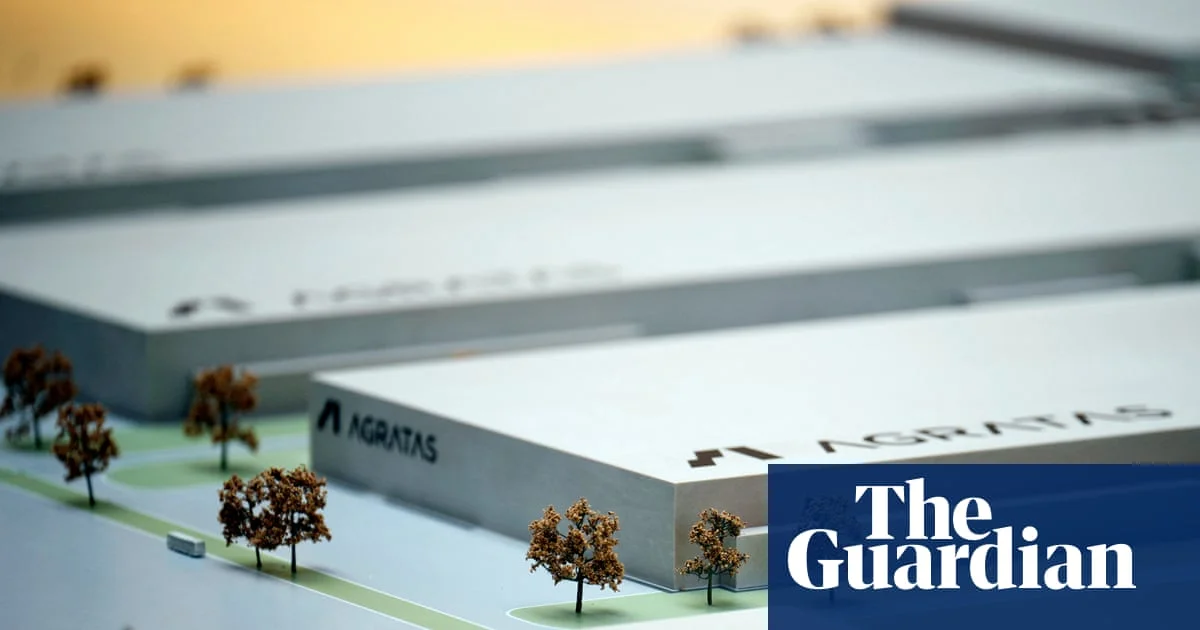
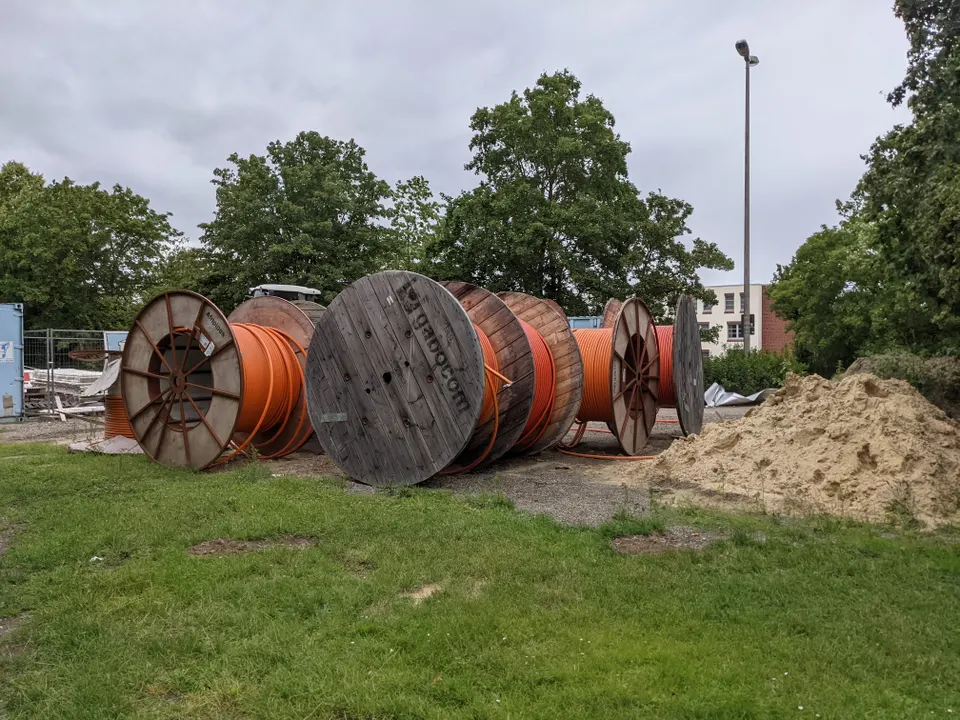
The ambitious transition to electric vehicles for Jaguar Land Rover (JLR) has hit a significant roadblock. Agratas, the battery supplier owned by the Indian conglomerate Tata, has reportedly sacked its main building contractor at the Somerset gigafactory site. This £5.2 billion project was intended to be the cornerstone of British EV manufacturing, but a "budget mismatch" and construction disputes have now thrown the delivery timeline into chaos. For JLR, which is planning to rely entirely on this facility for its next generation of electric models, any delay could mean losing critical ground to European and Chinese competitors who are already saturating the market.
This disruption is more than just a corporate headache; it is a signal of the fragility within the global green energy supply chain. When massive, government-backed projects stall due to inflationary pressures and logistical mismanagement, the ripple effects are felt by investors and consumers alike. For Iranian readers and market observers, this serves as a reminder that the global shift away from fossil fuels is not a linear path. Industrial bottlenecks in the West often lead to shifts in global commodity demand, potentially impacting long-term oil price projections as the "EV revolution" faces these localized reality checks.
The Israeli Reaction: A Peace Deal Viewed as Betrayal
While diplomats in Washington and Tehran may be celebrating a historic peace agreement, the mood on the streets of Israel is one of profound anger and insecurity. In cities like Rehovot, the sentiment is that Israel has been "betrayed" by the Trump administration. Many citizens feel that the deal allows Iran to rebuild its economic and military strength without addressing the fundamental security concerns of its neighbors. The sense of abandonment is palpable, with many Israelis expressing that they feel more alone now than at any point in recent history, despite the official cessation of hostilities.
This domestic backlash in Israel is a critical factor for the longevity of any regional settlement. If the Israeli public and political establishment remain convinced that the deal is a "big mistake," the risk of unilateral military action or future diplomatic reversals remains high. For markets, this means that the "peace dividend" may be short-lived. The underlying tension suggests that while a signature may be on a piece of paper, the regional risk premium is unlikely to disappear entirely. Investors are watching closely to see if this public anger translates into a shift in the Israeli cabinet or a hardening of their defense posture.
Toman Volatility: Market Reaction to Regional Shifts
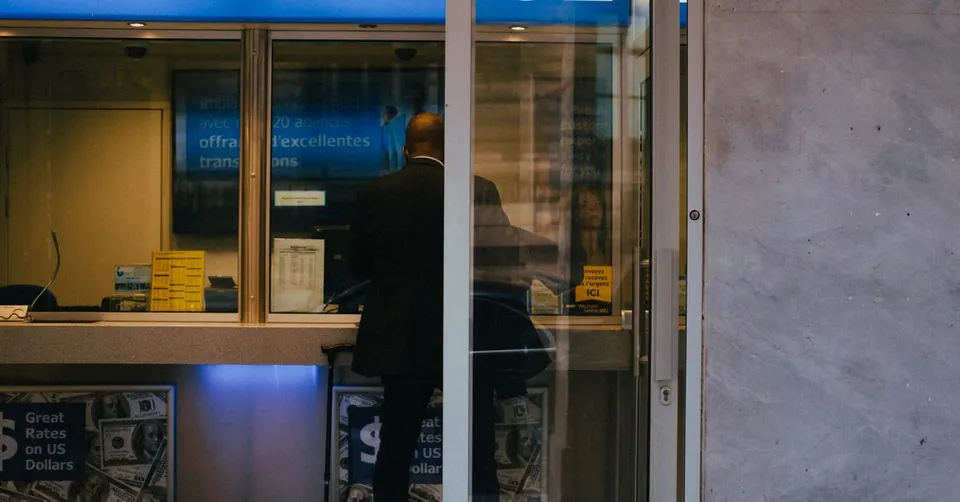
In Tehran, the currency market is reflecting the uncertainty of these geopolitical shifts. The USD/IRR rate moved from 158,750 to 161,050, representing a 1.4% increase within the last 24 hours. This spike comes despite the diplomatic progress, suggesting that local traders are hedging against the possibility of the peace deal being undermined by regional opposition. The gold market saw even more dramatic movement, with the Emami coin jumping from 160,500,000 to 168,000,000 Toman, a significant 4.7% rise.
This divergence—where diplomatic success is met with domestic currency depreciation—is a classic symptom of a "wait and see" economy. Iranians are not yet convinced that the deal will lead to immediate sanctions relief or a stabilization of the cost of living. Instead, the fear of a backlash from regional actors, combined with a global gold ounce price of $4,156.70, is driving capital into hard assets. For the average consumer, this means the price of imported goods and gold-linked savings is rising, even as the headlines speak of peace. The market is demanding concrete economic results before it will offer the Toman any lasting reprieve.
UK Political Turmoil: Starmer Faces Leadership Challenge
Across the pond, British Prime Minister Keir Starmer is facing an existential threat to his leadership. Pressure is mounting from within his own party for him to step aside in favor of Andy Burnham, the former Mayor of Greater Manchester. Critics argue that Starmer has failed to capitalize on the public's desire for radical change, while Burnham’s recent electoral victory in Makerfield has positioned him as the "change agent" the Labour party needs. Cabinet ministers are reportedly advising Starmer to set a clear timetable for his exit to avoid a messy internal coup.
For international observers, a change in UK leadership could signal a shift in Britain’s foreign policy and trade stance. Burnham has often championed a more localized, populist economic approach, which might alter how the UK interacts with major trade partners and regional powers like Iran. As the UK struggles with industrial delays like the JLR factory and internal political fracturing, its ability to project influence on the global stage is being tested. A leadership transition at this juncture could either stabilize the British economy or lead to further periods of policy uncertainty during a critical time for global trade.
Information Warfare: The Cultural Front
In a bizarre twist of celebrity diplomacy, American actor Steven Seagal has emerged as a vocal critic of recent military actions in southern Iran. Speaking from Moscow, Seagal condemned what he termed the "Minab massacre," aligning himself closely with the narrative provided by Iranian state media. While Seagal’s influence on actual policy is negligible, his role as a mouthpiece for Russian-aligned interests highlights the ongoing information war. These types of high-profile condemnations are designed to bolster Tehran’s international standing and paint its adversaries as the primary aggressors in the eyes of a global audience.
This use of cultural figures to amplify geopolitical narratives is a tactic that has become increasingly common in the modern era of hybrid warfare. For the Iranian public, seeing a Western figure—even one as controversial as Seagal—support their national narrative provides a psychological boost amid economic hardship. However, it also underscores the deep divide between the Western political establishment and the alternative media sphere that Russia and its allies have cultivated. As the regional situation evolves, expect to see more of these non-traditional voices being utilized to sway public opinion and complicate the diplomatic landscape.
Frequently Asked Questions
Why is the JLR battery factory delay significant for global markets?
Why did the Toman drop despite the Iran peace deal news?
What is the primary concern of the Israeli public regarding the peace deal?
How does the UK political leadership struggle impact Iran?
Geopolitical Risk and Currency Fluctuations
Currencies are more than just a medium of exchange; they serve as a barometer of a nation's economic health, political stability, and overall investor confidence. One crucial factor that profoundly influences currency values, often leading to rapid and significant shifts, is geopolitical risk. This term refers to the potential for political events, conflicts, diplomatic tensions, or major policy shifts between nations to disrupt global stability and economic activity. When such risks emerge, financial markets, including currency markets, react swiftly as investors reassess the future outlook for affected economies.
The mechanism behind these fluctuations is straightforward: increased geopolitical risk typically leads to uncertainty. Investors, both domestic and international, tend to seek safety in times of uncertainty. This can manifest as capital flight, where funds are moved out of a country perceived as risky and into more stable assets or currencies. The reduced demand for the affected currency, coupled with increased selling pressure, leads to its depreciation. Conversely, positive geopolitical developments, such as a genuine peace deal or improved international relations, can boost investor confidence, attract foreign investment, and strengthen a nation's currency as demand for it rises.
The headline's mention of the "Toman Jumps 1.4% Amid Peace Deal Turmoil" perfectly illustrates this concept. Whether the Toman strengthened or weakened depends on the specific market interpretation of the "peace deal turmoil" – perhaps as a precursor to sanctions relief or, conversely, as a sign of escalating instability. Regardless of the direction, the key takeaway is the immediate and measurable impact of geopolitical events on exchange rates. Market participants analyze the potential consequences of such events on trade, foreign investment, and economic growth, adjusting their currency holdings accordingly and causing the rapid fluctuations observed.
Understanding geopolitical risk is vital for anyone seeking to comprehend global economics. It underscores how seemingly distant political events can have tangible, immediate effects on everything from the cost of imports and exports to inflation and the everyday purchasing power of a currency. These dynamics highlight the intricate web connecting international relations, national economies, and the daily lives of citizens worldwide.