Strait of Hormuz Closure Sparks Market Panic: Toman Surges as Regional Tensions Peak
انسداد تنگه هرمز و شوک به بازارها؛ جهش قیمت دلار و سکه در پی تشدید تنشهای منطقهای
Iran announces the closure of the Strait of Hormuz, citing U.S. failure to restrain Israeli actions in Lebanon, sending the Toman toward 161,000. Meanwhile, diplomatic friction grows between Donald Trump and Italy's Meloni as the UK braces for an extreme 36C heatwave.
At time of publishing
USD
160,750
Toman
Gold 18K
16.18M
Toman / gram
Bitcoin
$63,353
US Dollar
Tether
161,155
Toman
Iranian Forces Announce Closure of Strait of Hormuz
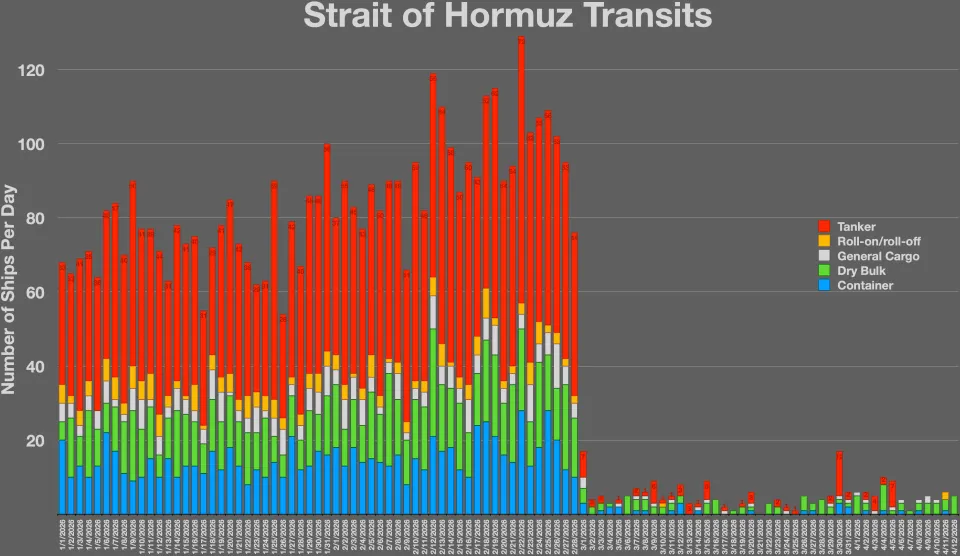
In a move that has sent shockwaves through global energy markets and regional security frameworks, Iranian military command announced on Saturday evening that it has effectively closed the Strait of Hormuz. The decision, according to official statements, is a direct response to what Tehran describes as the United States' failure to prevent Israeli violations of the recently brokered cease-fire in Lebanon. This escalation comes at a critical moment as U.S. negotiators, including JD Vance, are currently in Switzerland for high-stakes talks that were already facing significant delays.
The closure of this vital maritime artery—through which approximately one-fifth of the world's oil consumption passes—represents a massive gamble by Tehran to force international pressure on Israel. By targeting the world's most sensitive energy chokepoint, Iran is signaling that the era of 'strategic patience' regarding the Lebanon border has ended. For the global economy, this implies an immediate spike in maritime insurance premiums and a potential supply shock that could derail inflation-targeting efforts in the West. The presence of U.S. officials in Switzerland suggests a diplomatic channel remains open, but the physical blockade of the Strait changes the leverage dynamics entirely.
Tehran Markets React: Toman and Gold Surge on Geopolitical Risk
The domestic financial landscape in Iran has reacted with predictable volatility to the military escalation. Within hours of the announcement, the USD/IRR rate moved from 158,750 to 160,750, marking a 1.3% increase. The psychological barrier of 160,000 has been breached, reflecting a sharp decline in market confidence as traders brace for potential military friction or renewed sanctions. The currency market is currently dominated by speculative buying as households and businesses seek to hedge against further devaluation linked to the Hormuz blockade.
Even more dramatic has been the movement in the gold and coin markets. The Emami coin jumped from 160,500,000 to 165,500,000, a significant 3.1% rise in just 24 hours. Gold 18k followed suit, rising from 15,918,324 to 16,178,724 per gram (+1.6%). This disproportionate rise in gold prices compared to the dollar suggests that investors are not just fleeing the Toman, but are seeking the ultimate safe-haven asset in anticipation of a wider regional conflict. When gold coins outpace the dollar in growth, it typically indicates a 'war footing' mentality among local investors, who prioritize physical assets that maintain value regardless of banking system stability.

UK Political Turmoil and Extreme Climate Warnings
While the Middle East dominates the headlines, the United Kingdom is facing a dual crisis of political dissent and environmental extremes. Former Labour leader Jeremy Corbyn has publicly criticized the current leadership debate, specifically targeting Andy Burnham for a perceived lack of radical policy change. Corbyn’s critique centers on the idea that Burnham is too accepting of austerity measures and has failed to offer a distinct international platform. This internal friction comes as the Cabinet puts pressure on Keir Starmer to define a clear exit strategy, highlighting a deeply fractured government struggling to maintain a unified front amidst global instability.
Compounding the political tension is a severe weather warning from the Met Office. An extreme heatwave is approaching the UK, with temperatures expected to hit 36°C by Tuesday. An amber warning has been expanded, signaling potential risks to life and infrastructure. This heatwave is not just a meteorological event; it is a stress test for the UK’s energy grid and public health services, which are already under strain. For global observers, the UK’s struggle with both political identity and climate resilience serves as a reminder that even established Western powers are currently highly vulnerable to internal and external shocks.
Trump-Meloni Spat Escalates Amid NATO Tensions
On the diplomatic front, a bizarre but significant feud has erupted between U.S. President Donald Trump and Italian Prime Minister Giorgia Meloni. Trump claimed on Saturday that Meloni had repeatedly begged for a photograph with him at the G7 summit, an assertion that the Italian leader has flatly denied, calling it a 'made-up' story. While the dispute may seem superficial, it points to deep-seated tensions over Italy's stance on NATO and Iran. Trump’s administration has been increasingly vocal about European allies who do not align perfectly with his 'maximum pressure' rhetoric, and Meloni’s pushback suggests a growing resistance among European conservatives to Washington's unilateral demands.
This diplomatic friction is more than a personal disagreement; it signals a potential realignment within the G7. If the U.S. continues to alienate its European partners over policy disagreements regarding Iran and military spending, the unified front necessary to manage the current Strait of Hormuz crisis may crumble. Italy, as a key Mediterranean power, plays a vital role in regional security, and a breakdown in communication between Rome and Washington could complicate any collective Western response to the blockade. As the rhetoric intensifies, the international community is watching to see if this personal spat will translate into a formal shift in Italian-American relations.
Frequently Asked Questions
Why did Iran close the Strait of Hormuz today?
How has the Iranian market reacted to the military escalation?
What is the significance of the Trump-Meloni diplomatic dispute?
The Geopolitical Significance of the Strait of Hormuz
The Strait of Hormuz is not merely a narrow waterway; it is arguably the world's most critical oil transit chokepoint, connecting the Persian Gulf to the Arabian Sea and beyond. Located between Oman and Iran, this strategic passage is barely 21 miles wide at its narrowest point, yet it facilitates the movement of a substantial portion of the world's seaborne oil and liquefied natural gas (LNG) every single day. Its geographical position makes it indispensable for energy-rich nations in the Middle East to export their hydrocarbons to global markets.
Its unparalleled importance stems from the sheer volume of energy commodities that pass through it. Approximately one-fifth of the world's total petroleum consumption, and roughly one-third of the world's seaborne oil, transits the Strait of Hormuz daily. Major oil producers like Saudi Arabia, Iran, Iraq, Kuwait, Qatar, and the UAE rely heavily on this route to ship their crude oil and refined products to consumers in Asia, Europe, and the Americas. Any disruption, even a perceived threat of closure, sends immediate shockwaves through global energy markets.
The geopolitical ramifications of any instability in the Strait are profound. A closure, whether intentional or due to conflict, would trigger an unprecedented global oil supply shock, leading to dramatic spikes in oil prices, severe economic recession, and widespread market panic. For countries like Iran, whose economy is heavily reliant on oil exports and whose currency (the Toman) is sensitive to regional stability, such events can lead to significant currency fluctuations and exacerbate economic challenges. The ongoing tensions in the region underscore the vulnerability of global energy supplies to geopolitical conflicts centered around this vital chokepoint.