
Hormuz Closure Sparks Market Panic as Burnham Challenges UK Leadership and Apple Unveils iOS 27
انسداد تنگه هرمز و بحران رهبری در بریتانیا؛ جهش قیمتها در بازار تهران و رونمایی از iOS 27
Iran has declared the Strait of Hormuz closed citing US violations, driving the Toman to 159,950 while gold prices surge. Meanwhile, Andy Burnham's rise in the UK and Apple's new AI features are reshaping the global geopolitical and tech landscape.
At time of publishing
USD
159,950
Toman
Gold 18K
16.10M
Toman / gram
Bitcoin
$64,132
US Dollar
Tether
158,525
Toman
The Burnham Coronation and the Shadow of Corbyn
The political landscape in the United Kingdom is undergoing a seismic shift as allies of Andy Burnham express growing confidence in a "coronation-style" transfer of power within the Labour Party. Following a decisive by-election victory in Makerfield, Burnham has emerged as the primary challenger to Keir Starmer’s leadership. However, the internal friction has been laid bare by former leader Jeremy Corbyn, who recently criticized the "strange" lack of concrete policy in the ongoing leadership debates. Corbyn’s intervention suggests that while Burnham may have the momentum, the ideological soul of the party remains a battleground, with critics demanding a more radical departure from the current status quo.
This political instability in Westminster is more than just a domestic British affair; it has significant implications for international diplomacy, particularly regarding the fragile negotiations between the West and Iran. A leadership change in the UK could redefine the "E3" coalition's approach to the nuclear file and regional security. Investors are closely watching these developments, as a shift toward a more populist or policy-heavy Labour government under Burnham could alter the UK's trade priorities and its commitment to existing diplomatic frameworks. In a world already reeling from regional conflicts, the prospect of a new, untested leadership in London adds a layer of "geopolitical noise" that often translates into market volatility.

Hormuz Closure and the Sabotage of Diplomacy
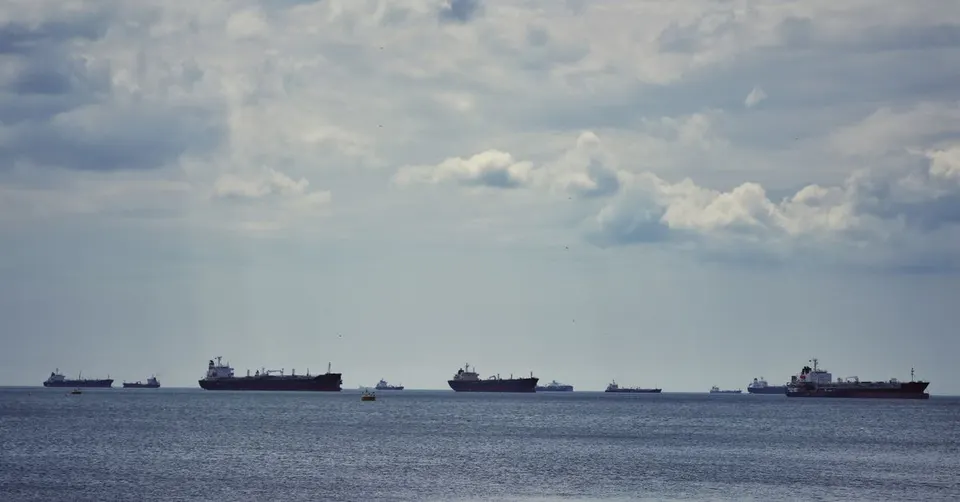
In a move that has sent shockwaves through global energy markets and the Iranian domestic exchange, the command center of Iran’s Armed Forces has officially declared the Strait of Hormuz closed. Tehran cited "blatant breaches" of the memorandum of understanding (MoU) by the United States as the primary justification for this drastic measure. This escalation follows reports of continued Israeli strikes in Lebanon, which Iran views as a direct violation of the regional ceasefire logic. The closure of this vital maritime artery—through which a significant portion of the world's oil flows—is being described by Iranian officials as a "first step" in a broader response to what they perceive as Western and Israeli aggression.
Simultaneously, Russia’s Dmitry Medvedev has entered the fray with a stern warning, suggesting that the Israeli regime is actively seeking to sabotage the newly-minted agreement between Tehran and Washington. Medvedev’s rhetoric underscores the Kremlin’s view that the US has failed in its broader strategic objectives against Iran, leading its allies to resort to "spoiler" tactics. For the Iranian economy, the impact was immediate: the USD/IRR rate climbed from 158,750 to 159,950 (+0.8%) within 24 hours, while the Emami coin saw a sharp 3.1% spike to 165,500,000 Toman. The market is clearly pricing in a high "conflict premium" as the prospect of a diplomatic breakthrough in Switzerland appears increasingly endangered by maritime blockades.
Tech Giants and the Valuation Ceiling
In the world of technology, Apple has officially detailed the core features of iOS 27, leaning heavily into "Apple Intelligence" and an upgraded Siri that promises deeper system-level integration. While the update includes several non-flashy quality-of-life improvements, the focus remains squarely on AI as a defensive moat against competitors. For users and developers alike, this represents a shift where "reasonable due diligence" in software deployment now necessitates AI-powered security auditing—a trend that is also rapidly reshaping the crypto industry by making security cheaper and faster to implement. This technological leap comes at a time when digital asset activity is rising, even if prices like Bitcoin at $64,132 remain volatile.
However, not all tech news is optimistic. Market analysts are sounding the alarm over SpaceX’s massive valuation, suggesting it may soon become the company’s "own worst enemy." As the firm’s private market price tag balloons, it faces the "size problem" familiar to giants like Nvidia: the difficulty of maintaining exponential growth when you already dominate the market. For investors, the SpaceX dilemma reflects a broader market tension where private valuations are disconnected from the immediate liquidity of public markets. This is particularly relevant as institutional interest in Bitcoin lending grows, yet research continues to find a "collateral gap" that could pose risks to the broader financial ecosystem.

Watch
Corbyn suggests UK could 'witness a coronation of Andy Burnham in a few days' time'
Sky News
Frequently Asked Questions
Why did Iran close the Strait of Hormuz today?
How did the Tehran market react to the geopolitical news?
Who is Andy Burnham and why does his leadership challenge matter?
What is the 'collateral gap' mentioned in recent Bitcoin research?
The Geopolitical Significance of the Strait of Hormuz
The Strait of Hormuz is a narrow, strategically vital waterway connecting the Persian Gulf to the Arabian Sea and the open ocean. Just 21 nautical miles wide at its narrowest point, it serves as the sole maritime passage for a significant portion of the world's crude oil and liquefied natural gas (LNG) exports. Its critical location means that any disruption or threat to shipping through the strait can send immediate shockwaves through global energy markets, leading to sharp spikes in oil prices and widespread economic instability.
Historically, the Strait of Hormuz has been a flashpoint for geopolitical tensions, particularly given its proximity to Iran. Threats of closure, whether explicit or implied, have been used as leverage in various regional and international disputes. For instance, if Iran were to impede or block transit, it would severely restrict the flow of oil from major producers like Saudi Arabia, Iraq, UAE, Kuwait, and Qatar, which collectively account for a substantial percentage of global oil supply. Such an event would not only impact oil-importing nations but also significantly affect the revenues of oil-exporting countries, including Iran itself, albeit with complex and often counterproductive consequences.
The "market panic" mentioned in the headline directly stems from this vulnerability. A potential closure would immediately drive up the cost of crude oil, impacting everything from transportation to manufacturing, and could trigger a global recession. For countries like Iran, whose economy is heavily reliant on oil exports and which faces significant sanctions, the implications are particularly acute. The USD/IRR exchange rate, for example, is highly sensitive to geopolitical stability and oil revenues; any perceived threat to the Strait could exacerbate currency depreciation and fuel inflation within Iran, as investors and citizens seek more stable assets. Understanding the Strait of Hormuz is therefore crucial for grasping the dynamics of global energy security, international relations, and regional economic stability.