Billionaire Frank Stronach Convicted as Hormuz Closure Ignites 160,350 Toman Surge
محکومیت میلیاردر کانادایی همزمان با انسداد هرمز؛ دلار به ۱۶۰,۳۵۰ تومان رسید
Canadian billionaire Frank Stronach has been convicted of sexual assault, marking a stunning downfall for the Magna International founder. Meanwhile, Iran's military claims a closure of the Strait of Hormuz, driving the Toman to 160,350 and sending gold prices soaring ahead of critical Switzerland talks.
At time of publishing
USD
160,350
Toman
Gold 18K
16.09M
Toman / gram
Bitcoin
$63,780
US Dollar
Tether
159,255
Toman
The Fall of a Titan: Frank Stronach Convicted in Canada
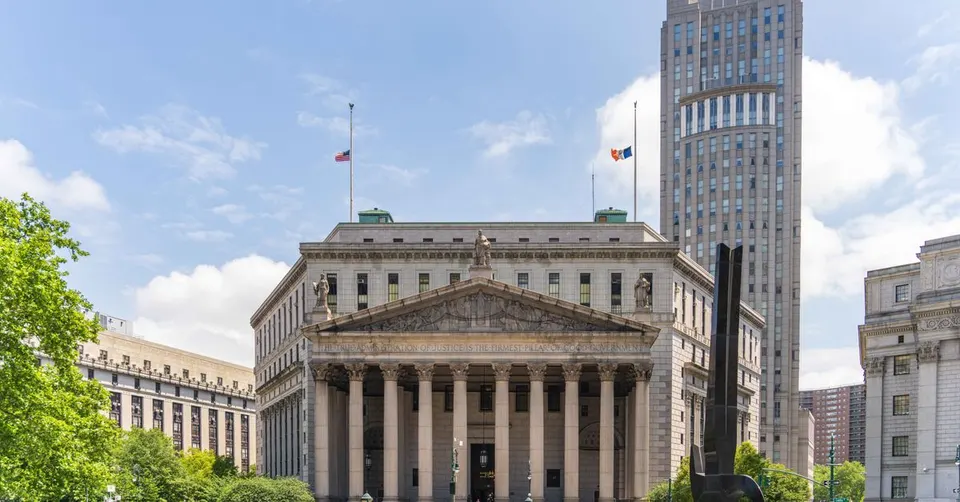
Frank Stronach, the 93-year-old billionaire founder of auto-parts giant Magna International, has been convicted of sexual and indecent assault in a Canadian court. The verdict, which came late Saturday, found Stronach guilty in two specific cases while acquitting him on three other charges. This legal downfall marks a significant moment for one of Canada’s most prominent industrial figures, whose influence once spanned from the global automotive supply chain to the world of horse racing. The conviction follows years of allegations that have now culminated in a historic ruling against a man once considered untouchable in the upper echelons of global business.
The conviction comes at a time of heightened scrutiny for high-profile business leaders, emphasizing that wealth and age do not provide immunity from historical allegations. While Stronach’s legal team has yet to announce an appeal, the case has already sent shockwaves through the Canadian business community. For global markets, such news often leads to a reassessment of corporate governance and the long-term legacies of founder-led empires. While Magna International has long distanced itself from its founder's personal affairs, the reputational blow to the Stronach name is absolute, serving as a stark reminder of the shifting social and legal landscape regarding executive conduct.
Hormuz Closure Rhetoric Drives Toman to 160,350
The Strait of Hormuz has once again become the epicenter of global energy and regional financial anxiety. Iran’s military command announced a closure of the waterway on Saturday, citing the ongoing conflict in Lebanon as the primary catalyst. Although the U.S. military reported that at least 55 ships had successfully transited the strait earlier in the day and claimed traffic continued to flow, the mere announcement was enough to ignite a firestorm in the Tehran markets. This tactical move by Tehran is seen by many analysts as a high-stakes leverage play ahead of the upcoming diplomatic meetings in Europe.
The impact on the Iranian market was immediate and sharp. The USD/IRR rate climbed from 158,750 to 160,350, marking a 1.0% increase within 24 hours. The ripple effect was even more pronounced in the gold market, where the Emami coin surged by 3.1% to reach 165,500,000 Toman. This "geopolitical premium" reflects the deep-seated fear among Iranian investors that a prolonged closure or even a credible threat of one could choke off essential trade routes and trigger a new wave of currency devaluation. Gold 18k also saw a rise, moving from 15,918,324 to 16,088,692 Toman per gram (+1.1%), as citizens scrambled for safe-haven assets.
High Stakes in Switzerland: The Sunday Showdown
As the Toman fluctuates, all eyes are turning toward Switzerland. An Iranian diplomatic delegation, led by Foreign Ministry spokesperson Esmaeil Baqaei, has officially departed for the European neutral ground to meet with U.S. officials. The primary objective of this mission is to demand that Washington fulfill its commitments under the existing Memorandum of Understanding (MoU). Pakistan has confirmed that these high-stakes negotiations are set to kick off on Sunday, providing a narrow window for a diplomatic de-escalation amidst the naval tension in the Persian Gulf.
This meeting is more than just a routine diplomatic exchange; it is a critical attempt to salvage the fragile regional stability that has been battered by recent strikes in Lebanon. If the Swiss talks yield a breakthrough regarding sanctions relief or security guarantees, the "Hormuz premium" currently inflating the Toman and gold prices could evaporate just as quickly as it appeared. Conversely, a failure in Switzerland would likely embolden hardliners and solidify the closure of the Strait as a semi-permanent reality, potentially pushing the dollar toward new psychological resistance levels.

Investing Amid Chaos: Dividends and AI Memory
In the broader financial world, the volatility in the Middle East is driving a flight to quality and specialized tech sectors. Analysts are pointing toward "bulletproof" portfolios, with some investors successfully living entirely off stock dividends even at age 73. This focus on passive income is becoming a preferred strategy for those looking to hedge against the unpredictable swings of geopolitical events. By prioritizing high-yield, stable companies, investors are shielding themselves from the immediate shocks of currency devaluations seen in emerging markets, seeking a reliable cash flow that transcends border conflicts.
Simultaneously, the tech sector is seeing a renewed interest in Artificial Intelligence (AI) infrastructure. Specifically, AI Memory ETFs are being identified as a "buy hand over fist" opportunity for those with even modest capital. As AI models continue to evolve, the demand for the hardware and memory capacity to run these systems remains insatiable. For the Iranian reader, these global trends offer a dual lesson: the importance of diversifying away from local currency risk and the potential of long-term tech cycles to provide growth even when regional politics are in turmoil. While the local market focuses on the price of the Emami coin, the global smart money is moving toward the semiconductors and memory chips that power the next industrial revolution.
Frequently Asked Questions
Why did the Emami coin price surge more than the US Dollar today?
What is the significance of the Frank Stronach conviction for global business?
Will the Strait of Hormuz actually remain closed?
What are AI Memory ETFs and why are they recommended now?
Geopolitical Risk and Currency Devaluation: The Strait of Hormuz's Economic Shadow
The news headline highlights a critical economic phenomenon: how geopolitical events can send shockwaves through national economies, particularly impacting currency values. The "Strait of Hormuz closure" mentioned is a potent example of a geopolitical risk – the potential for political decisions, events, or instabilities to disrupt global markets and economic activity. This narrow waterway is a vital chokepoint for a significant portion of the world's oil supply, making any threat to its passage a major concern for global energy security and, consequently, regional economic stability.
When such a critical trade artery faces closure or severe disruption, it immediately triggers uncertainty among investors and businesses. For a country like Iran, which heavily relies on oil exports transiting the Strait, the economic implications are profound. The perceived risk of interrupted trade routes can lead to a sharp decline in investor confidence, capital flight, and a reduction in foreign currency earnings. This diminished supply of foreign currency, coupled with increased demand for stable assets, places immense downward pressure on the domestic currency.
The "160,350 Toman Surge" explicitly mentioned in the headline refers to a significant depreciation or devaluation of the Iranian Rial (Toman is an unofficial but commonly used unit for the Rial). Currency devaluation means that more local currency is required to purchase the same amount of foreign currency (like the USD). This makes imports more expensive, fuels domestic inflation, and erodes the purchasing power of citizens. In response, local asset prices, such as the Emami coin, often surge as people seek to hedge against inflation and preserve wealth in more stable forms.
Understanding geopolitical risk is crucial for comprehending market volatility and economic shifts, especially in regions prone to political tensions. The interplay between international relations, trade routes, and domestic economic indicators like currency exchange rates demonstrates how seemingly distant political events can have immediate and tangible impacts on daily economic life.