Hormuz Closure Threats and Olmert's Warning Send Toman to 160,550 as Iran-US Deal Teeters
تهدید به بستن تنگه هرمز و هشدار اولمرت؛ دلار به ۱۶۰,۵۵۰ تومان رسید و توافق لرزان شد
Former Israeli PM Ehud Olmert warns that the Trump-Iran peace deal is in 'dire straits' as Tehran threatens the Strait of Hormuz. Meanwhile, the Toman rose 1.1% and Emami coins jumped 3.1% in a night of high-stakes regional volatility.
At time of publishing
USD
160,550
Toman
Gold 18K
16.09M
Toman / gram
Bitcoin
$63,792
US Dollar
Tether
159,565
Toman
Olmert Warns of 'Dire Straits' for Iran-US Peace Deal
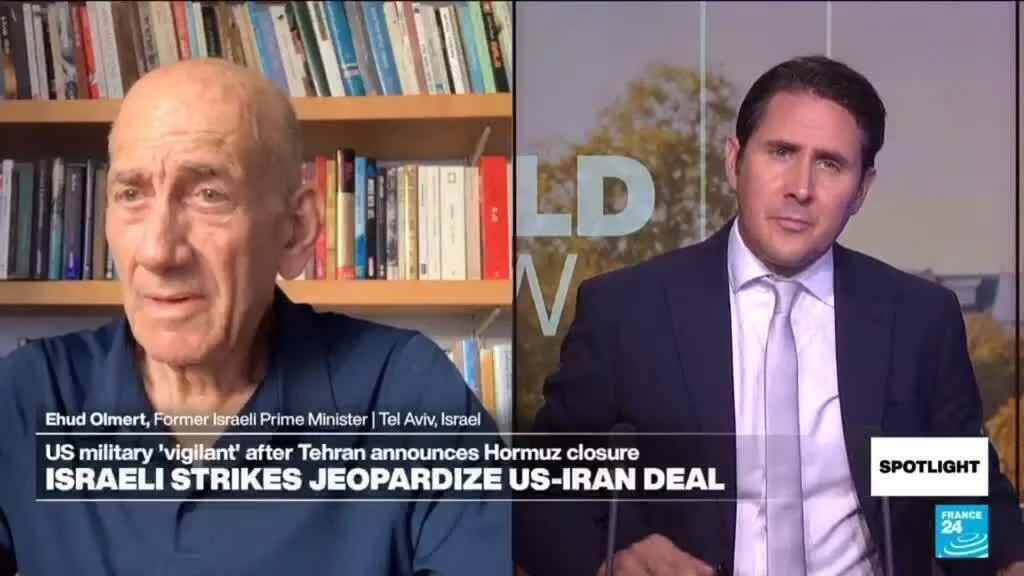
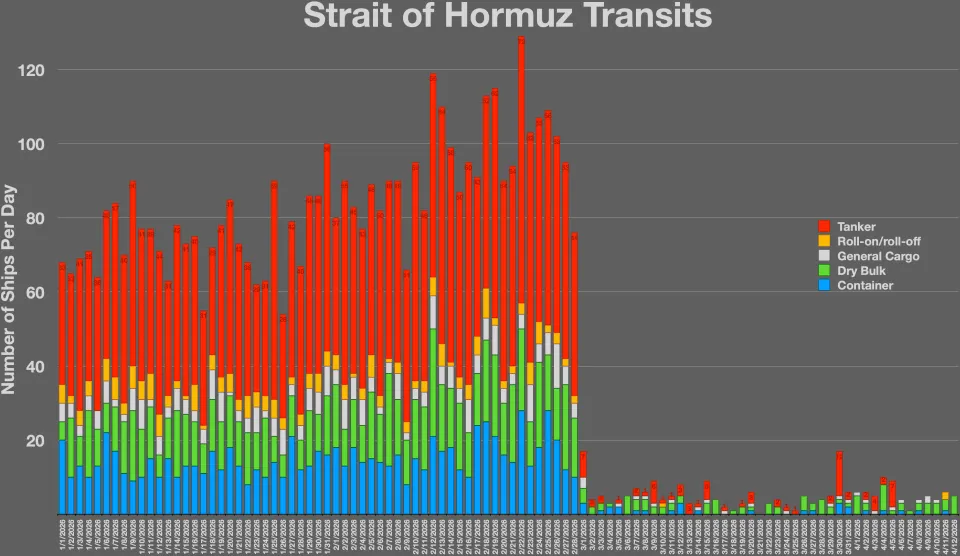
In a candid interview with France 24, former Israeli Prime Minister Ehud Olmert has cast a shadow of doubt over the longevity of the recently hailed 60-day peace agreement between the Trump administration and Tehran. Olmert described the deal as being in "dire straits," pointing to the immediate friction caused by Tehran's announcement regarding the potential closure of the Strait of Hormuz. This provocative move comes despite specific provisions in the memorandum of understanding (MoU) that were intended to guarantee the safe passage of commercial vessels through one of the world's most critical maritime chokepoints. For the global markets and the Iranian economy, Olmert’s skepticism acts as a barometer for Western confidence. If a seasoned political figure like Olmert believes the deal is unraveling just days after its inception, it suggests that the underlying trust between the signatories is virtually non-existent. This lack of trust is already being priced into the markets, where the threat of a Hormuz closure has reignited fears of a global oil supply shock and a return to maximum pressure sanctions. The disconnect between the diplomatic language used in high-level meetings and the military posturing on the ground is creating a volatile environment for investors and ordinary citizens alike.
---
Pezeshkian Credits Pakistan as Toman Breaches 160,000
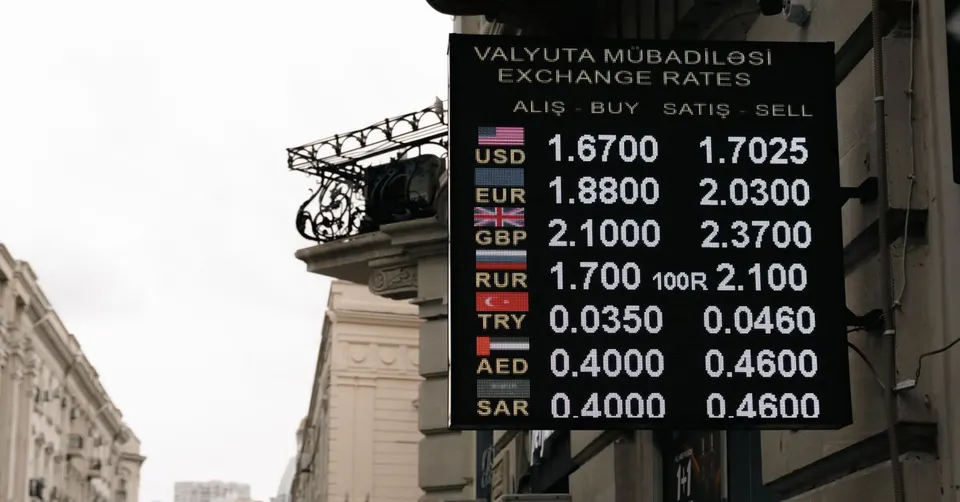
While international headlines focus on the potential collapse of diplomacy, President Masoud Pezeshkian is actively working to shore up regional support for the Iran-US MoU. In a meeting with Pakistani Interior Minister Senator Syed Mohsin Raza Naqvi in Tehran, Pezeshkian expressed his gratitude to Islamabad for its "constructive role" in facilitating the diplomatic process. This meeting highlights the importance of regional intermediaries in maintaining the fragile balance of the current agreement, even as hardliners on both sides of the Atlantic and within the Middle East attempt to derail the process. However, the diplomatic gratitude expressed in the presidential palace has not translated into stability in the streets of Tehran. The USD/IRR exchange rate moved from 158,750 to 160,550, marking a 1.1% increase in just 24 hours. The psychological barrier of 160,000 has been breached, signaling that the market is more concerned with the actual threat of the Hormuz closure than the diplomatic pleasantries being exchanged with regional neighbors. For the Iranian consumer, this move suggests that the cost of imported goods will continue to climb, regardless of the official narrative regarding the success of the MoU.
---
Gold and Coins Surge Amid Geopolitical Risk
The most dramatic movement in the Iranian market this hour is found in the gold sector. The Emami coin jumped from 160,500,000 to 165,500,000 Toman, a significant 3.1% rise. This surge outpaced the general rise in the price of 18k gold, which moved from 15,918,324 to 16,088,692 Toman per gram (+1.1%). The massive premium on the Emami coin indicates a flight to liquidity and safety, as domestic investors scramble to protect their wealth against the backdrop of a potential maritime conflict and the collapse of the peace deal. This market behavior is a direct reaction to the risk of "black swan" events. When the Strait of Hormuz is mentioned as a target, the probability of a military escalation increases exponentially. Gold, traditionally the ultimate hedge against such risks, is being aggressively accumulated. The fact that the coin premium is rising faster than the intrinsic value of gold suggests a level of panic buying that hasn't been seen since the early days of the regional conflict. If the situation in the Strait does not de-escalate within the next 24 hours, we could see the Emami coin reach unprecedented heights as the currency loses its grounding. ---
Edinburgh Attacks and the Global Context of Unrest
Beyond the Middle East, a disturbing development in Scotland has added to the sense of global instability. Counter-terrorism officers in Edinburgh are currently investigating a series of violent attacks on Friday night that left five men injured in what are suspected to be anti-Muslim incidents. A 36-year-old man has been arrested, but the shockwaves of the event have added to the tension felt by Muslim communities worldwide. While seemingly disconnected from the Tehran markets, such events often influence the political climate in Western capitals, potentially hardening the stance of governments involved in the Iran negotiations.

Meanwhile, the world’s attention is partially diverted by major sporting events, including the 2026 World Cup where Germany and the Ivory Coast are set to face off for control of Group E. In the world of cricket, England faces a looming defeat against New Zealand as Joe Root stands firm while captain Ben Stokes remains absent. These events provide a stark contrast to the high-stakes geopolitical maneuvering in the Persian Gulf, reminding us that while the world plays, the foundations of regional security are being tested to their absolute limit.