Hormuz Crisis Escalates: Iran Claims Strait Closure Amid Switzerland Peace Talks
بحران در تنگه هرمز؛ ادعای ایران مبنی بر بستن مسیر همزمان با آغاز مذاکرات سوئیس
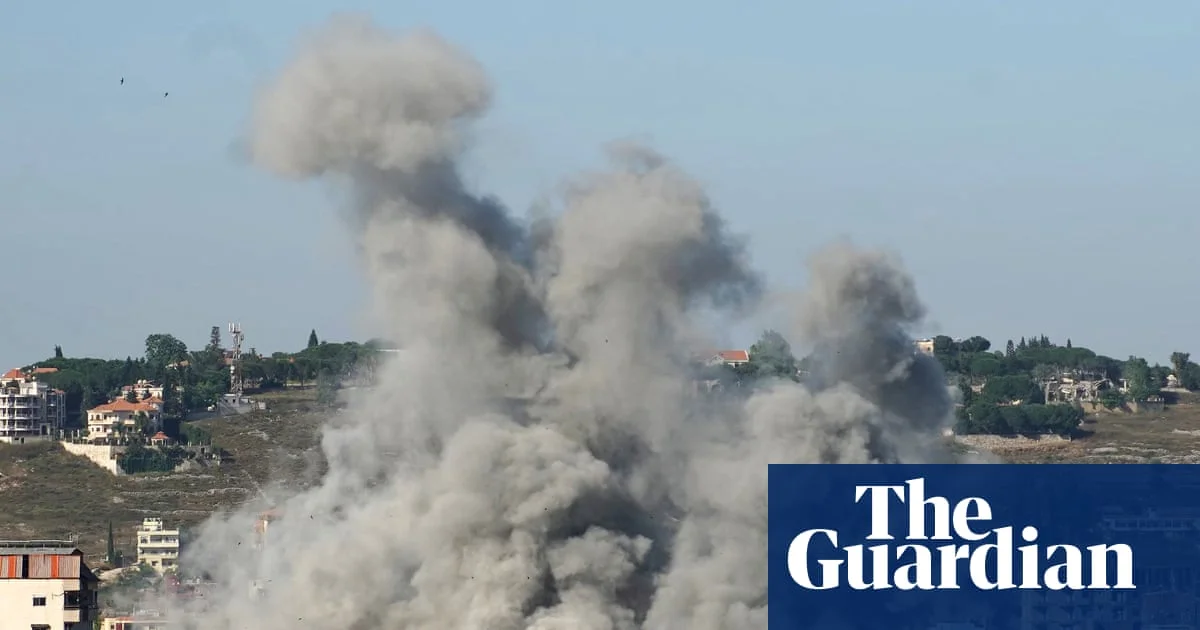
Tensions have reached a boiling point as the IRGC claims to have closed the Strait of Hormuz in response to Israeli strikes in Lebanon, just as peace talks were set to begin in Switzerland. Markets are reacting to the supply chain threat while diplomats scramble to prevent a total collapse of the fragile interim deal.
At time of publishing
USD
160,650
Toman
Gold 18K
16.17M
Toman / gram
Bitcoin
$64,191
US Dollar
Tether
159,623
Toman
The Strait of Hormuz: A New Military Standoff
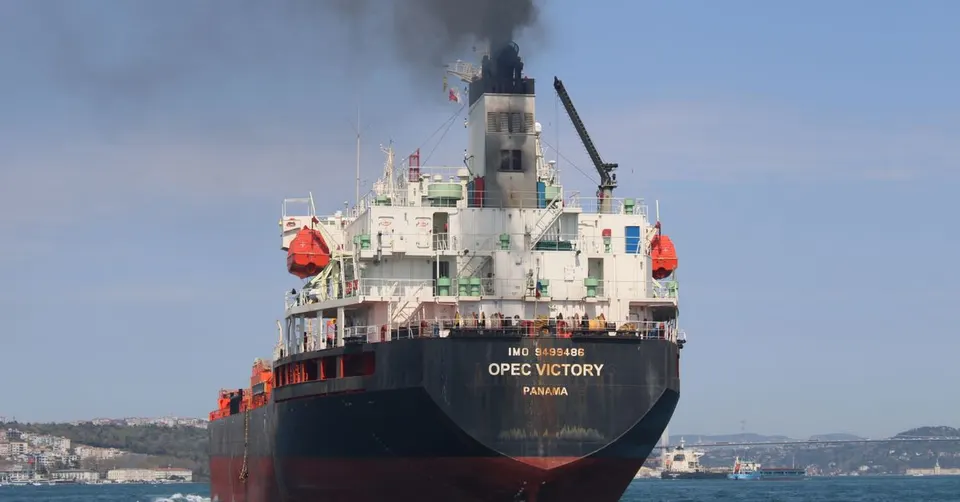
The Islamic Revolutionary Guard Corps (IRGC) has sent shockwaves through global energy markets this morning by announcing the closure of the Strait of Hormuz. This drastic move is framed as a direct response to recent Israeli military strikes in Lebanon, which Tehran views as a violation of regional security and a failure of the international community to enforce a ceasefire. By warning international shipping to avoid the strategic waterway, Iran is leveraging its most potent geographical asset. The Strait is responsible for the transit of roughly one-fifth of the world's liquid gas and oil supplies, making any disruption a catastrophic scenario for global energy stability.
While the United States has officially disputed the claim that the waterway is fully shut, the psychological and logistical impact is already being felt. Shipping insurance premiums are expected to skyrocket, and several major tankers have reportedly slowed their approach to the Persian Gulf. This escalation puts the recently signed interim peace deal in immediate jeopardy. The IRGC has explicitly cited a US violation of commitments to establish a ceasefire in Lebanon as the justification for this blockade, suggesting that military and diplomatic tracks are now in direct conflict with one another.
Diplomacy in the Shadow of Blockades
In a striking paradox, even as the threat of a naval blockade looms, high-level diplomatic delegations are convening in Switzerland. U.S. Vice President JD Vance has arrived to lead a delegation tasked with negotiating the next phase of a peace framework, with a specific focus on nuclear issues and the ongoing conflict in Lebanon. The timing of the Hormuz announcement seems designed to maximize Iran's leverage at the bargaining table. By demonstrating the ability to choke global energy supplies, Tehran is signaling that the cost of failing to reach a favorable diplomatic resolution will be felt globally, not just regionally.
These talks in Switzerland represent a fragile hope for de-escalation, yet the atmosphere is described by observers as incredibly tense. The Iranian delegation is expected to demand immediate guarantees regarding the cessation of Israeli operations in Lebanon as a prerequisite for reopening the Strait. For the U.S., the challenge lies in balancing its support for regional allies with the urgent need to keep global trade routes open. The success or failure of these sessions today will likely determine the trajectory of global oil prices and regional stability for the remainder of the year.

Market Resilience Amidst Geopolitical Volatility
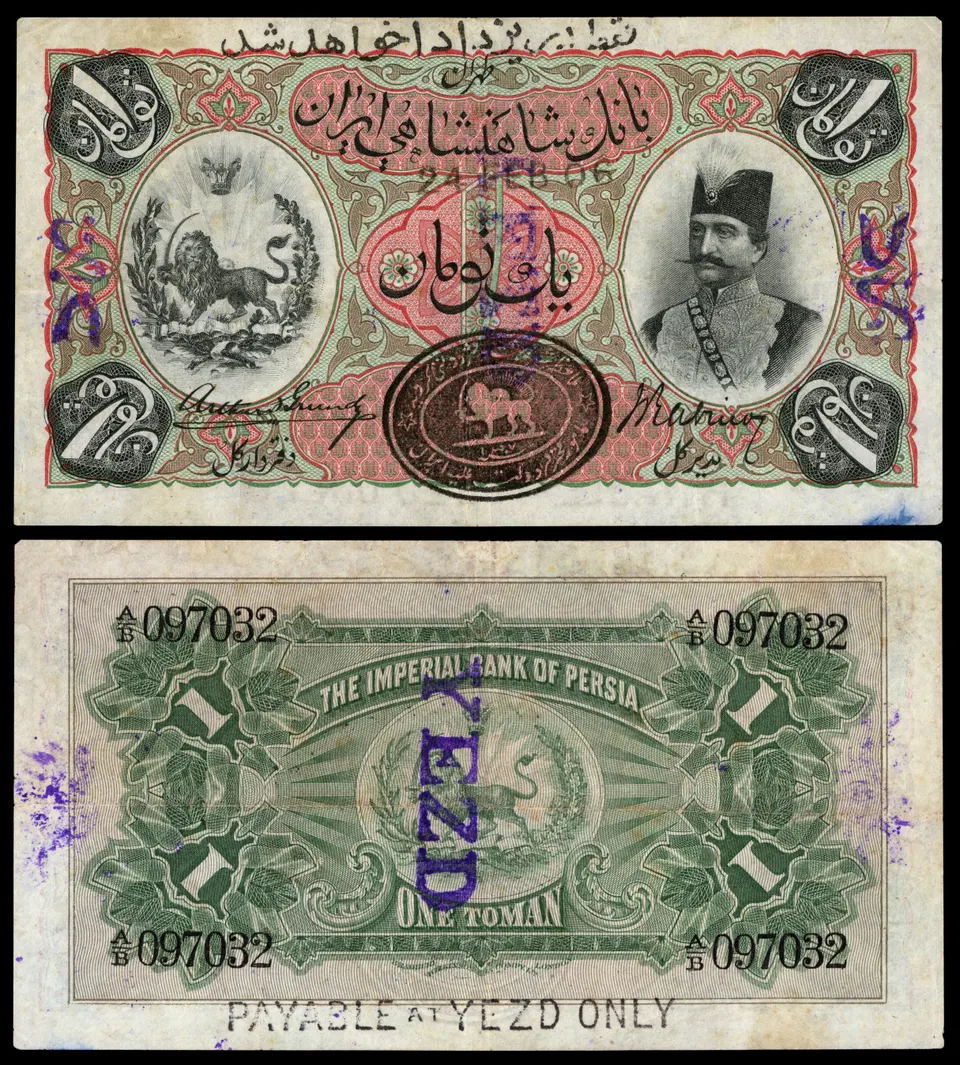
Despite the alarming headlines, the Iranian domestic market has shown a measured response so far. The USD/IRR rate moved from 160,550 to 160,650, representing a minor increase of 0.1%. This suggests that while there is anxiety, the market has not yet entered a state of full-blown panic, perhaps waiting for confirmation of the actual status of the Strait. Gold, however, has seen more significant movement as a safe-haven asset. Gold 18k per gram rose from 16,088,692 to 16,168,798 (+0.5%), reflecting a flight to safety among local investors who fear further escalation could devalue the currency.
On the global stage, the situation is compounded by a "crypto winter" that continues to chill investor sentiment. Bitcoin ETFs have shed a record $6.4 billion in the last 30 days, and Bitcoin currently sits at $64,191. The lack of liquidity in the crypto market means that there is less of a cushion to absorb the shocks coming from the Middle East. As the day progresses, all eyes will remain on the Swiss Alps and the Persian Gulf; the former for a potential breakthrough, and the latter for any physical signs of naval engagement that could turn a diplomatic standoff into a global economic crisis.
Frequently Asked Questions
Is the Strait of Hormuz actually closed to international shipping?
How did the Iranian Toman and Gold react to this news?
What is the main goal of the Switzerland peace talks?
The Strategic Importance of the Strait of Hormuz
The Strait of Hormuz, a narrow waterway between Iran and Oman, is one of the world’s most critical chokepoints for oil transport. Roughly 20% of global petroleum liquids—about 21 million barrels per day—pass through this 21‑kilometre‑wide channel, making it a vital artery for both oil‑exporting and oil‑importing nations. Because the strait connects the Persian Gulf, where the majority of the world’s largest oil fields are located, to the open ocean, any disruption can instantly ripple through global energy markets, driving price spikes and affecting everything from gasoline at the pump to the cost of goods shipped worldwide.
Because of its strategic value, the Strait of Hormuz has long been a flashpoint for geopolitical tension. Iran, which controls the northern shore, has repeatedly threatened to close the strait in retaliation to sanctions or perceived aggression, while the United States and its allies maintain a naval presence to ensure freedom of navigation. Historical incidents—such as the 2019 attacks on tankers by unidentified small boats and the 2020 seizure of the Kohana—demonstrate how quickly a localized confrontation can threaten the flow of oil and trigger a global supply shock.
Economically, the risk of a closure is priced into futures markets. Traders use the “risk premium” to hedge against potential supply disruptions, which can lift Brent and WTI crude prices by several dollars per barrel even before any physical blockage occurs. The price of gold often moves in tandem, as investors flock to safe‑haven assets during heightened uncertainty. In June 2026, for example, gold prices spiked as rumors of a Hormuz closure coincided with stalled peace talks in Switzerland involving JD Vance and Iranian officials.
Understanding the mechanics of a chokepoint helps explain why diplomatic negotiations—whether in Geneva, Zurich, or back‑channel talks—carry outsized importance. Even a brief, partial closure can force shipping companies to reroute around the Cape of Good Hope, adding up to 10,000 nautical miles and weeks of extra travel time, dramatically raising freight costs and carbon emissions. Hence, the Strait of Hormuz is not just a geographic feature; it is a lever that can amplify regional disputes into global economic turbulence.
For students of international relations and energy economics, the Hormuz scenario illustrates the intersection of geography, military strategy, and market psychology. By grasping why a 21‑kilometre stretch of water can sway world markets, readers gain insight into the broader dynamics of energy security, the role of strategic waterways, and the delicate balance of power in the Middle East.