Peace on the Precipice: US and Iran Convene in Switzerland as Hormuz Tensions Flare
صلح در لبه پرتگاه؛ آغاز مذاکرات ایران و آمریکا در سوئیس همزمان با تداوم تنشها در هرمز
Day 114 of the regional conflict brings high-level delegations to Burgenstock for critical ceasefire talks. While global markets watch the diplomatic dance in Switzerland, renewed threats to the Strait of Hormuz keep Bitcoin and gold prices on edge.
At time of publishing
USD
160,650
Toman
Gold 18K
16.17M
Toman / gram
Bitcoin
$64,140
US Dollar
Tether
159,540
Toman
The Burgenstock Summit: A High-Stakes Gamble for Peace
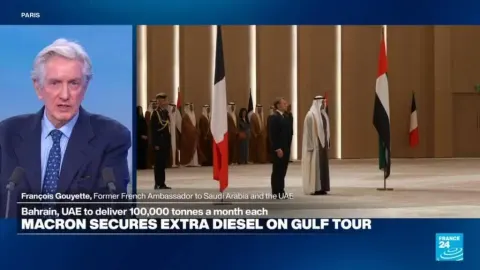
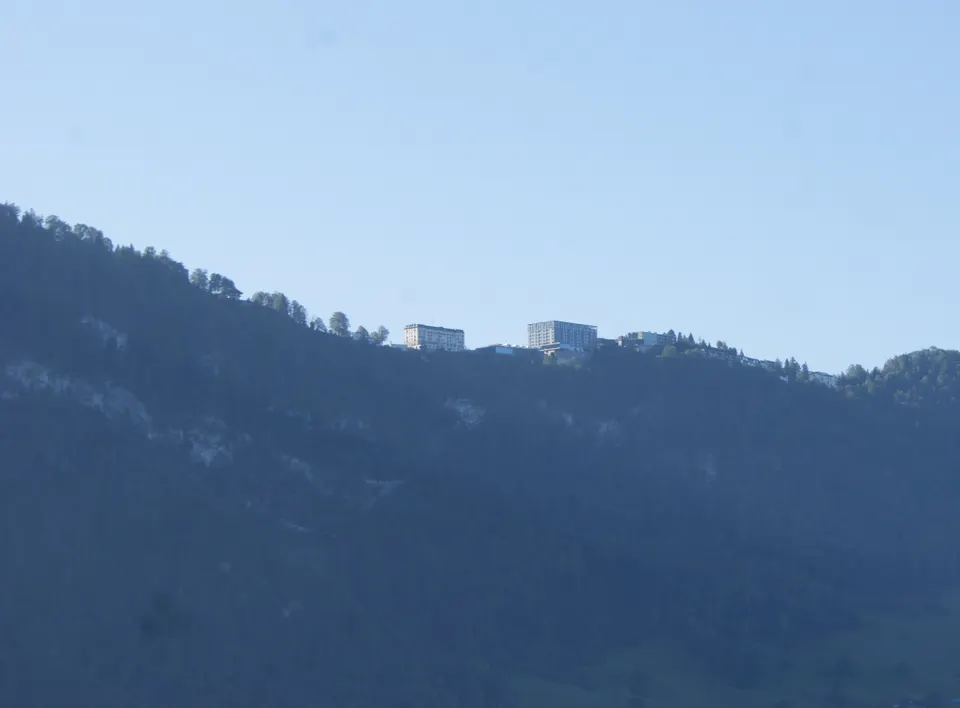
As the conflict enters its 114th day, the eyes of the world are fixed on the serene heights of Burgenstock, Switzerland. High-level delegations from the United States and Iran have arrived for what many analysts describe as a "last-chance" summit to prevent further regional escalation. Mediated by Qatar and Pakistan, these talks are expected to tackle the volatile situation in Lebanon and the restoration of safe passage through the Strait of Hormuz. The presence of U.S. Vice President JD Vance and senior Iranian negotiators suggests a level of seriousness not seen in previous rounds, though the shadow of ongoing hostilities remains heavy over the conference table.
For the average observer in Tehran or Washington, the stakes could not be higher. This isn't just about military positioning; it's about the fundamental stability of the global energy supply and the survival of regional economies. While the diplomatic rhetoric in Switzerland leans toward de-escalation, the reality on the ground—and the water—tells a different story. The success of these talks hinges on whether both sides can find a face-saving exit from a conflict that has already redefined geopolitical alliances in the Middle East and beyond.
Market Volatility: Gold Rises as Hormuz Threats Persist
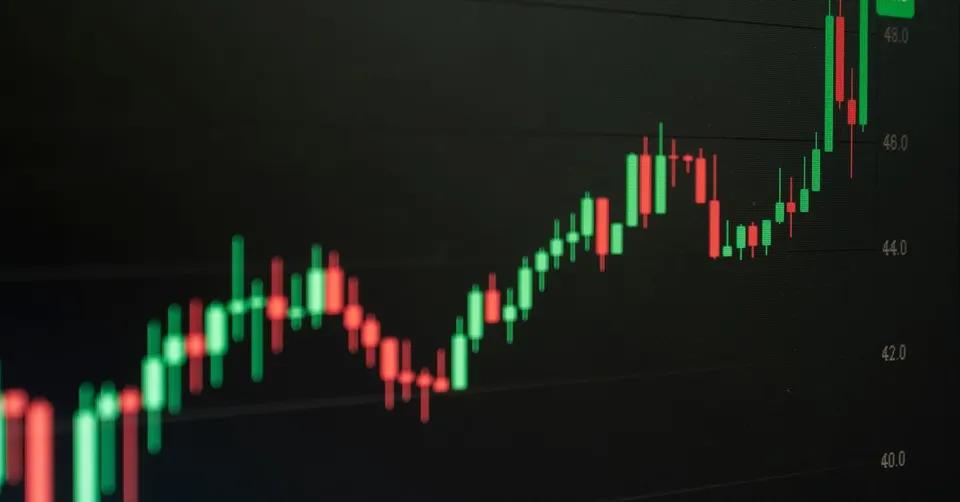
The tension in the diplomatic sphere is vibrating through the financial markets with unmistakable clarity. In Tehran, the currency market showed a slight but firm upward trend, with the USD sell rate moving from 160,550 to 160,650 Toman, a +0.1% increase over the last 24 hours. More telling is the movement in the gold market, where 18k gold rose from 16,088,692 to 16,168,798 Toman per gram (+0.5%). This flight to safety reflects deep-seated anxiety that the Switzerland talks might stall, potentially leading to a more permanent closure of the Strait of Hormuz, a move that would send global energy prices into an unprecedented spiral.
In the crypto space, Bitcoin is currently battling resistance near the $64,140 mark. While it recovered slightly from a weekend sell-off, the "Hormuz premium" is clearly visible. Traders are increasingly using digital assets as a hedge against the regional instability that has seen Bitcoin ETFs shed a staggering $6.4 billion in outflows over the past 30 days. The irony is not lost on the market: while crypto was once touted as a non-correlated asset, it now moves in lockstep with the headlines coming out of the Persian Gulf and the Swiss Alps. If a breakthrough is announced in Burgenstock, we could see a massive relief rally; if not, the $60,000 floor will be tested again.
Social Resilience and the Shadow of Geopolitics
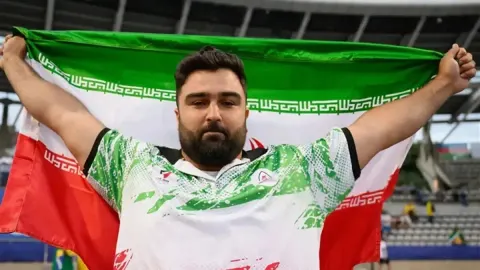
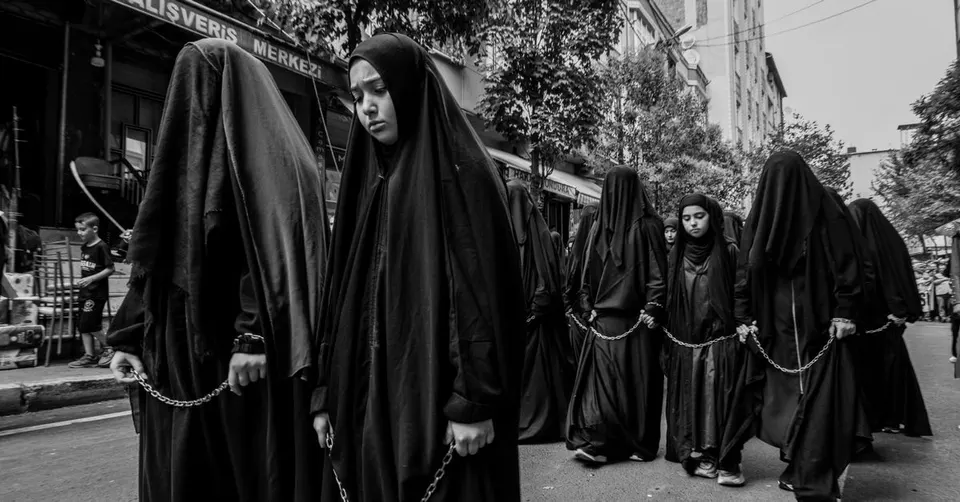
Despite the high-level maneuvering abroad, life within Iran continues with a mix of somber tradition and cautious resilience. In the holy city of Qom, thousands gathered at the Payambar-e Azam Zurkhaneh to mourn the anniversary of Imam Hussein’s martyrdom, marking the fifth day of Muharram. These traditional ceremonies serve as a cultural anchor during times of national stress, reinforcing a sense of collective identity and endurance. For many Iranians, the spiritual focus of Muharram provides a necessary counterweight to the daily headlines of war and economic sanctions that have come to define this summer.
Beyond Iran’s borders, the ripples of global instability are manifesting in unexpected ways. Critics are pointing to shifting asylum policies in North America, where the Safe Third Country Agreement is reportedly forcing seekers into increasingly dangerous situations between Canada and the US. This highlights a broader global trend: as regional conflicts like the one in the Middle East persist, the pressure on international borders and the legal frameworks governing human movement is reaching a breaking point. Whether it is a film producer in the UK facing business collapse or asylum seekers in the Americas, the interconnectedness of modern geopolitics ensures that no event happens in a vacuum.
Frequently Asked Questions
Why are the Switzerland talks happening now?
How is the Iranian Toman reacting to the news?
What is the 'Hormuz premium' in the crypto market?
The Strait of Hormuz: Understanding a Global Chokepoint
In the complex tapestry of global trade and geopolitics, certain geographical features hold immense strategic importance, acting as vital arteries for the movement of goods and energy. These are known as "chokepoints"—narrow maritime passages that, if disrupted, can send ripples across the world economy. The news of US-Iran talks amidst rising tensions in the region immediately brings one of the most critical of these chokepoints into sharp focus: the Strait of Hormuz.
The Strait of Hormuz is a narrow waterway connecting the Persian Gulf to the Arabian Sea and beyond. It is arguably the world's most important oil transit chokepoint, with approximately one-fifth of the world's total petroleum liquids consumption, and a significant portion of its liquefied natural gas (LNG), passing through its waters daily. Countries like Saudi Arabia, Iran, Iraq, Kuwait, Qatar, and the UAE rely on this strait for their energy exports, making its security paramount for global energy supply.
When tensions flare in and around the Strait of Hormuz, the immediate global reaction is often a surge in oil prices. This isn't just a speculative response; it reflects genuine concerns about potential supply disruptions, increased shipping costs due to higher insurance premiums, and the possibility of blockades or military incidents. Such price hikes directly impact consumers worldwide through higher fuel costs, inflate manufacturing and transportation expenses, and can contribute significantly to global inflation.
The economic consequences extend far beyond the energy sector. Elevated oil prices can dampen consumer spending, reduce corporate profits, and potentially trigger economic slowdowns or even recessions in energy-importing nations. In times of such geopolitical uncertainty, investors often seek "safe haven" assets like gold, while other more volatile assets like Bitcoin might experience fluctuations as market participants react to perceived risks. Understanding the Strait of Hormuz as a chokepoint reveals how regional political dynamics can profoundly influence global economic stability and market behavior.