Alps Diplomacy: JD Vance and Ghalibaf Meet in Switzerland Amid Hormuz Tensions
دیپلماسی در کوههای آلپ؛ دیدار جیدی ونس و قالیباف در میان تنشهای هرمز
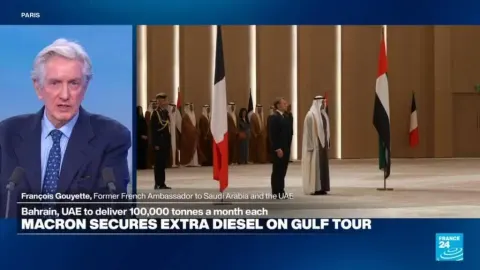
As the US Vice President lands in Switzerland for high-stakes peace talks with Iranian leadership, the global market holds its breath. While the Rial faces slight pressure, a 60-day window for a new nuclear and regional framework has officially opened.
At time of publishing
USD
160,650
Toman
Gold 18K
16.09M
Toman / gram
Bitcoin
$64,183
US Dollar
Tether
160,074
Toman
Market Open — Stability Amid Geopolitical Friction
The Tehran market opened this morning with a cautious but steady tone, reflecting the heavy weight of overnight diplomatic developments. The US Dollar (USD/IRR) saw a marginal increase, rising from 160,550 to 160,650 Toman, a factual climb of +0.1%. This stability suggests that traders are in a 'wait-and-see' mode, neither panicking nor prematurely celebrating the arrival of high-level delegations in Europe.
In the precious metals sector, Gold 18k remained unchanged at 16,088,692 Toman per gram, while the Emami coin showed a slight cooling trend, dropping -0.3% to settle at 165,000,000 Toman. Bitcoin continues to hover around the $64,183 mark, failing to break the $65k resistance as institutional outflows from US ETFs reach record levels. For the Iranian investor, the current landscape is one of consolidation; the massive $4,156 gold ounce price globally indicates a long-term hedge against inflation that local buyers are still mirroring.
The Swiss Summit: Vance and Ghalibaf Take the Stage
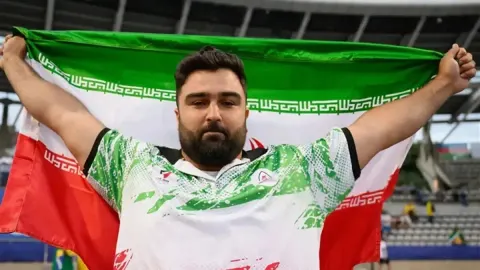
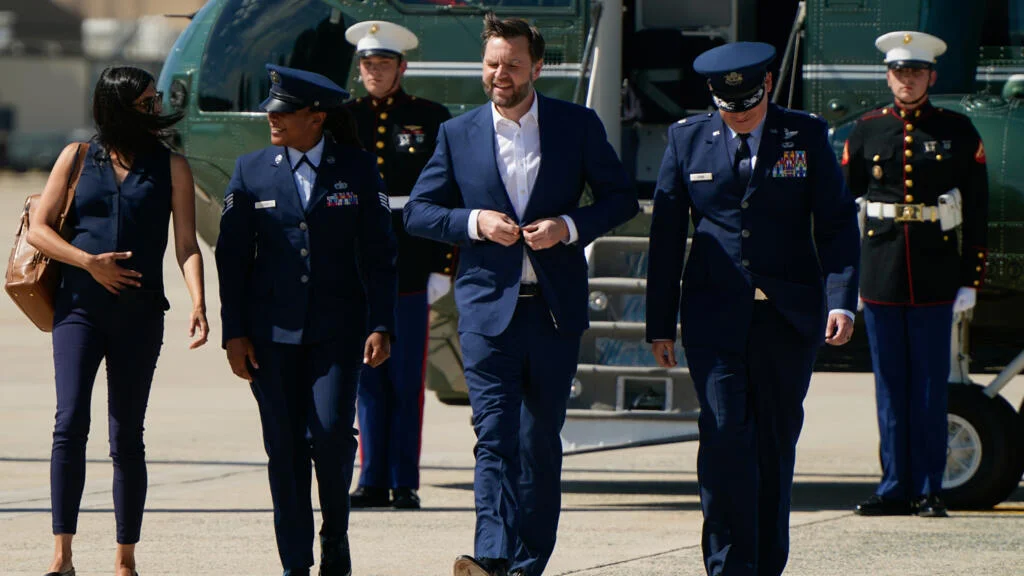
In what is perhaps the most significant diplomatic encounter of the year, US Vice President JD Vance has arrived in Switzerland to engage in direct negotiations with an Iranian delegation led by Parliament Speaker Mohammad Bagher Ghalibaf. This meeting follows the signing of a preliminary Memorandum of Understanding (MoU) last week, signaling a desperate attempt to de-escalate the multi-front war in the Middle East. The stakes could not be higher; negotiators have entered a 60-day 'sprint' to finalize technical details that could redefine sanctions and regional security.
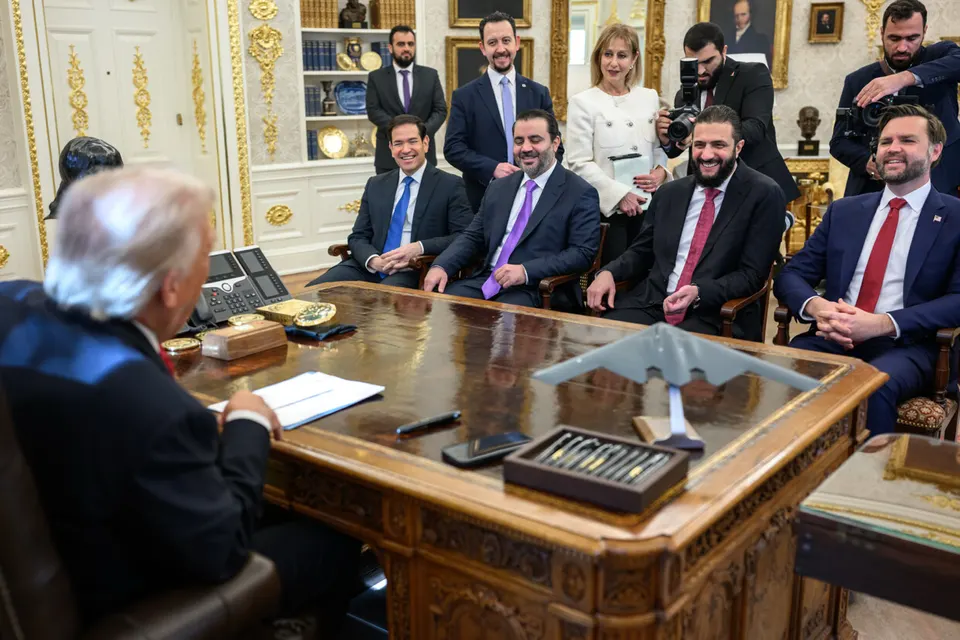
However, the backdrop to these talks is starkly contradictory. Even as the delegations sit down in Zurich, Tehran has reiterated its intent to close the Strait of Hormuz in response to ongoing Israeli military actions in Lebanon. This 'dual-track' strategy—negotiating peace while brandishing a strategic hammer—is designed to maximize Iran's leverage. For the Iranian public, the success of these talks is the primary variable for the Rial’s future; a breakthrough could trigger a significant correction in the USD rate, while a collapse would likely send the 160,000 Toman floor into the rearview mirror.
Internal Dissent in DC: The 'Illegal War' Narrative
While the executive branch negotiates in Switzerland, the political landscape in Washington is fracturing. A prominent Democratic US senator has publicly labeled the recent US-Israeli military strikes against Iranian interests as an 'illegal war.' This internal critique suggests that the consensus for military confrontation is thinning, potentially giving the Iranian negotiators more room to breathe. The senator argued that the aggression has left Washington in a weaker strategic position than before, a sentiment that resonates with those wary of another prolonged Middle Eastern conflict.
This political friction comes at a time when the human cost of the regional conflict continues to climb. The recent killing of an Al Jazeera cameraman in Gaza has further soured international public opinion, complicating the US's ability to maintain a unified front with its allies. For markets, this internal US bickering acts as a source of volatility; if the US administration cannot maintain domestic support for its foreign policy, its ability to enforce long-term sanctions or security guarantees becomes questionable.
Global Shifts: Colombia’s Turn and Leadership Voids
Beyond the Middle East, the world is watching a dramatic shift in South America. Colombia is heading into a presidential runoff where the frontrunner, Abelardo de la Espriella, has promised a return to full-scale military confrontation, abandoning the previous administration's 'total peace' plan. This move toward hardline conservatism mirrors a global trend of 'leadership uncertainty' that former UK civil servants are calling 'enormously disruptive.' From the UK to Bolivia—where a state of emergency was recently declared—the lack of stable governance is creating a vacuum.
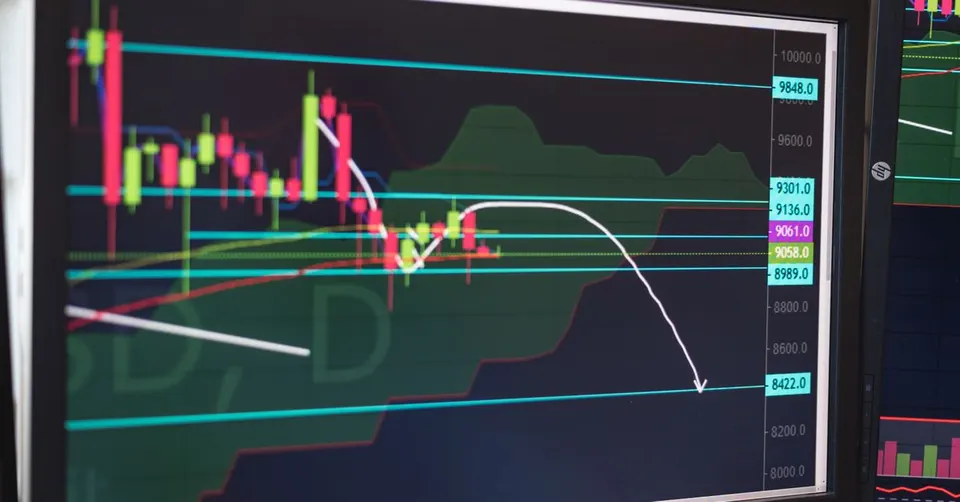
For the financially aware reader, these global disruptions are not just distant news; they dictate the 'risk-off' sentiment that drives capital into assets like Gold and Bitcoin. When traditional leadership structures in the West and South America falter, the flight to hard assets accelerates. As we watch the Swiss talks unfold today, remember that the Rial is not just reacting to local news, but to a world where the old rules of diplomacy and stable borders are being rewritten in real-time.
Frequently Asked Questions
What is the '60-day sprint' mentioned in the Swiss talks?
Why did the Emami coin price drop while the USD rose?
How does the Colombian election affect global markets?
Understanding the Strategic Importance of the Strait of Hormuz
The Strait of Hormuz is a narrow waterway that connects the Persian Gulf with the Gulf of Oman and the open ocean. At its narrowest point it is only about 21 nautical miles (39 km) wide, yet it serves as the maritime gateway for roughly a fifth of the world’s oil consumption. Roughly 20 million barrels of crude and petroleum products pass through the strait each day, making any disruption a direct shock to global energy markets.
Because the strait lies between Iran and the United Arab Emirates, it has long been a focal point of geopolitical tension. Iran has, at various times, threatened to close the passage in response to sanctions or military pressure, using the chokepoint as leverage. Historical episodes such as the 1987‑1988 “Tanker War” during the Iran‑Iraq conflict and the 2019 attacks on oil tankers illustrate how quickly the waterway can become a flashpoint, prompting naval deployments by the United States and its allies to ensure freedom of navigation.
The economic ripple effects of a closure are profound. Oil prices can spike within hours, as traders price in the risk of supply shortages. This, in turn, affects currencies of oil‑importing nations, inflation rates, and even the valuation of alternative assets like gold and cryptocurrencies. For Iran, the threat of closing the strait is a double‑edged sword: while it may extract short‑term concessions, it also risks alienating potential trade partners and deepening its own economic isolation.
In recent years, diplomatic engagements—such as the meeting of U.S. Senator JD Vance and Iranian politician Ghalibaf in Switzerland—are partly aimed at defusing these tensions. A stable Hormuz corridor is essential not only for regional security but also for the broader goal of a sustainable Iran‑U.S. peace framework, which would reduce the likelihood of abrupt closures and support more predictable energy markets.
For anyone following the evolving dynamics of Middle‑East geopolitics, understanding the strategic calculus behind the Strait of Hormuz provides a lens through which to interpret news about sanctions, exchange‑rate pressures, and even seemingly unrelated market moves like gold price spikes or Bitcoin ETF outflows.