UK Leadership Crisis and Swiss Diplomacy: Toman Strengthens as Markets Watch Starmer and Vance
بحران رهبری در لندن و دیپلماسی در سوئیس: تقویت تومان همزمان با شمارش معکوس برای استعفای استارمر
As Keir Starmer prepares to resign on Monday, the Iranian Toman has seen a 1.9% gain against the USD amid high-stakes peace talks in Switzerland. Despite the closure of the Strait of Hormuz, traders are betting on a diplomatic breakthrough between JD Vance and Iranian officials.
At time of publishing
USD
157,550
Toman
Gold 18K
15.87M
Toman / gram
Bitcoin
$64,234
US Dollar
Tether
158,499
Toman
The London Earthquake: Starmer Out, Burnham in the Wings
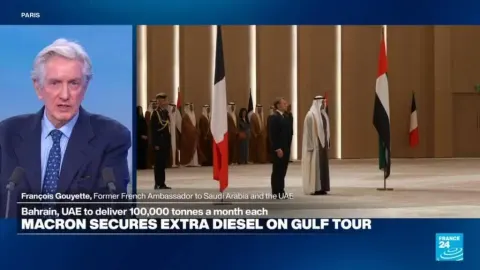
The political landscape in the United Kingdom is facing a seismic shift as Prime Minister Keir Starmer is expected to announce his departure this coming Monday. The move comes after a weekend of intense reflection on the 'political realities' facing his administration, characterized by sagging approval ratings and a growing rebellion within his own party. As business secretary figures suggest, the momentum has shifted toward Andy Burnham, with many MPs backing him as a more effective communicator who can salvage the Labour Party’s standing. This leadership vacuum in London is not just a domestic British issue; it creates a significant variable for the Joint Comprehensive Plan of Action (JCPOA) and European involvement in Middle Eastern diplomacy, as the UK remains a critical signatory to nuclear agreements.
For Iranian observers, a change in 10 Downing Street often signals a potential pivot in foreign policy. While Burnham is expected to maintain much of the current policy framework, his approach to international trade and sanctions could differ from the Starmer era. The transition period in London creates a temporary diplomatic fog just as crucial talks are beginning in Switzerland. If the UK enters a period of political introversion, the balance of power within the 'E3' (UK, France, Germany) may shift, potentially giving more weight to US-led initiatives or leaving a gap for other mediators to fill.
High-Stakes Diplomacy in the Swiss Alps Amid Hormuz Tensions
As the world watches London, the real economic action is unfolding in a Swiss resort where US Vice President JD Vance has arrived to meet with Iranian delegations. The stakes could not be higher: the Iranian Revolutionary Guards have maintained the closure of the Strait of Hormuz, a move that has sent shockwaves through global energy markets. Tehran’s decision to shut the world’s most vital oil artery is a direct protest against the ongoing conflict in Lebanon and what it perceives as the US's failure to restrain Israeli military actions. However, the very fact that talks are proceeding in Switzerland, with Lebanon now officially added to the agenda, suggests that both sides are looking for an off-ramp before the regional escalation becomes irreversible.
The negotiations are expected to hinge on four critical nuclear questions that have long plagued the relationship between Tehran and Washington. The Trump administration is demanding ironclad assurances that Iran’s nuclear program cannot be converted for military use, while Tehran remains steadfast that its activities are purely peaceful. The inclusion of the Lebanon crisis in these talks represents a significant expansion of the diplomatic scope. If a ceasefire can be brokered between Israel and Hezbollah, the path to reopening the Strait of Hormuz and lifting oil sanctions becomes much clearer. This 'all-or-nothing' diplomatic gamble is currently the primary driver of volatility in both the oil and currency markets.

Market Reaction: Toman Gains Ground Despite Regional Fire
In a surprising show of resilience, the Iranian Toman has strengthened over the last 24 hours, defying the logic of a closed Strait of Hormuz. The USD sell rate moved from 160,550 to 157,550, marking a 1.9% appreciation for the local currency. This movement suggests that the domestic market is pricing in a 'peace premium,' betting heavily on the success of the Switzerland talks. Similarly, the gold market has cooled off slightly, with 18k gold per gram falling from 16,088,692 to 15,868,230 Toman, a 1.4% decrease. The Emami coin also saw a price correction, dropping 1.8% to 162,500,000 Toman.
This downward trend in prices reflects a cautious optimism among Iranian traders who are closely monitoring the headlines from Switzerland. While the physical reality of the Strait’s closure would typically drive prices higher due to supply chain fears, the psychological impact of high-level face-to-face meetings between JD Vance and Iranian officials is currently the dominant force. However, this stability is fragile; any negative news from the border or a breakdown in the Swiss dialogue could see these gains reversed instantly. For now, the market is in a 'wait-and-see' mode, with liquidity remaining low as participants avoid making large bets before a formal communique is released.
The Surge of Prediction Markets and the Nuclear Question
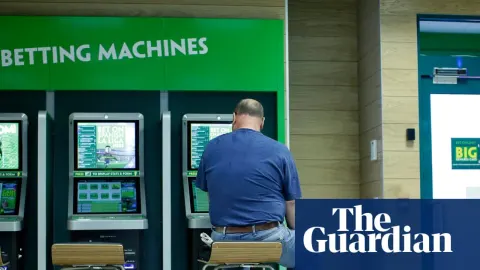
Beyond traditional trading floors, a new phenomenon is shaping the perception of this crisis: the surge of prediction markets like Polymarket and Kalshi. In the United States, these platforms have seen record volumes as users wager on the outcome of the US-Iran talks and the exact timing of Starmer’s resignation. These markets often act as a real-time sentiment gauge, sometimes moving faster than traditional news agencies. Public health advocates have raised concerns about the gambling aspects of these platforms, but for analysts, they provide a raw, data-driven look at what the global public actually believes will happen. Currently, prediction markets are showing a 65% probability of a temporary ceasefire in Lebanon by the end of the month.
This digital crystal ball is also focusing on the 'four questions' regarding Iran's nuclear future. These questions involve the level of uranium enrichment, the access granted to international inspectors, the timeline for sanctions relief, and the guarantees against future US withdrawal from any deal. As these questions are debated in Switzerland, the global economy hangs in the balance. If the prediction markets are right and a breakthrough is achieved, we could see a historic rally in the Toman and a stabilization of global oil prices. Conversely, if the talks fail, the closure of the Strait of Hormuz could become a long-term reality, fundamentally altering the economic landscape of the Middle East.
Frequently Asked Questions
Why is the Toman strengthening while the Strait of Hormuz is closed?
How does Keir Starmer's resignation affect Iran?
What are the 'four questions' mentioned in the nuclear talks?
Prediction Markets and Geopolitical Risk Pricing
Prediction markets are innovative platforms where participants trade "contracts" based on the outcome of future events. Unlike traditional polling, which surveys opinions, prediction markets aggregate information by allowing individuals to buy and sell shares that pay out based on whether a specific event occurs. The price of a contract reflects the market's collective probability of that event happening. For instance, if a contract for "Keir Starmer resigns by X date" trades at 70 cents, it implies the market believes there's a 70% chance of his resignation. This mechanism creates a powerful forecasting tool, as participants are incentivized by financial gain to provide accurate information and predictions.
These markets become particularly insightful when assessing geopolitical risk and political uncertainty. Events such as potential leadership changes in the UK, the nuances of Iran nuclear negotiations, or the highly sensitive prospect of a Strait of Hormuz closure are immediately digested and reflected in contract prices. The collective intelligence of thousands of traders, each bringing their unique information and analysis, quickly recalibrates probabilities as new information emerges – be it a diplomatic breakthrough in Switzerland or new statements from figures like JD Vance regarding Iran. This real-time pricing offers a dynamic barometer of how global events are perceived to unfold.
The impact extends beyond mere probabilities. The signals generated by prediction markets often influence broader financial markets. For example, a rising probability of a specific outcome in Iran nuclear talks, as reflected in a prediction market, could directly affect the perceived stability of the Iranian economy and, consequently, the USD/IRR exchange rate. When the market "watches Starmer and Vance," it's not just about their individual actions but how those actions shift the collective probability landscape, which then translates into tangible movements in currency values or commodity prices, like the strengthening of the Toman. This interconnectedness highlights prediction markets as a vital, albeit sometimes controversial, lens through which to understand the financial implications of global political dynamics.