Swiss Summit Begins: Toman Rallies as Vance and Ghalibaf Negotiate Amid Hormuz Blockade
آغاز مذاکرات در سوئیس؛ سقوط قیمت دلار همزمان با دیدار قالیباف و جیدی ونس
The first face-to-face talks between US Vice President JD Vance and Iranian Speaker Ghalibaf have commenced in Switzerland, sparking a 1.6% drop in the USD/IRR rate. While diplomacy offers hope, the Strait of Hormuz remains physically blocked, trapping thousands of sailors in a high-stakes standoff.
At time of publishing
USD
157,950
Toman
Gold 18K
15.90M
Toman / gram
Bitcoin
$63,968
US Dollar
Tether
158,914
Toman
Alpine Diplomacy: The Face-to-Face Breakthrough
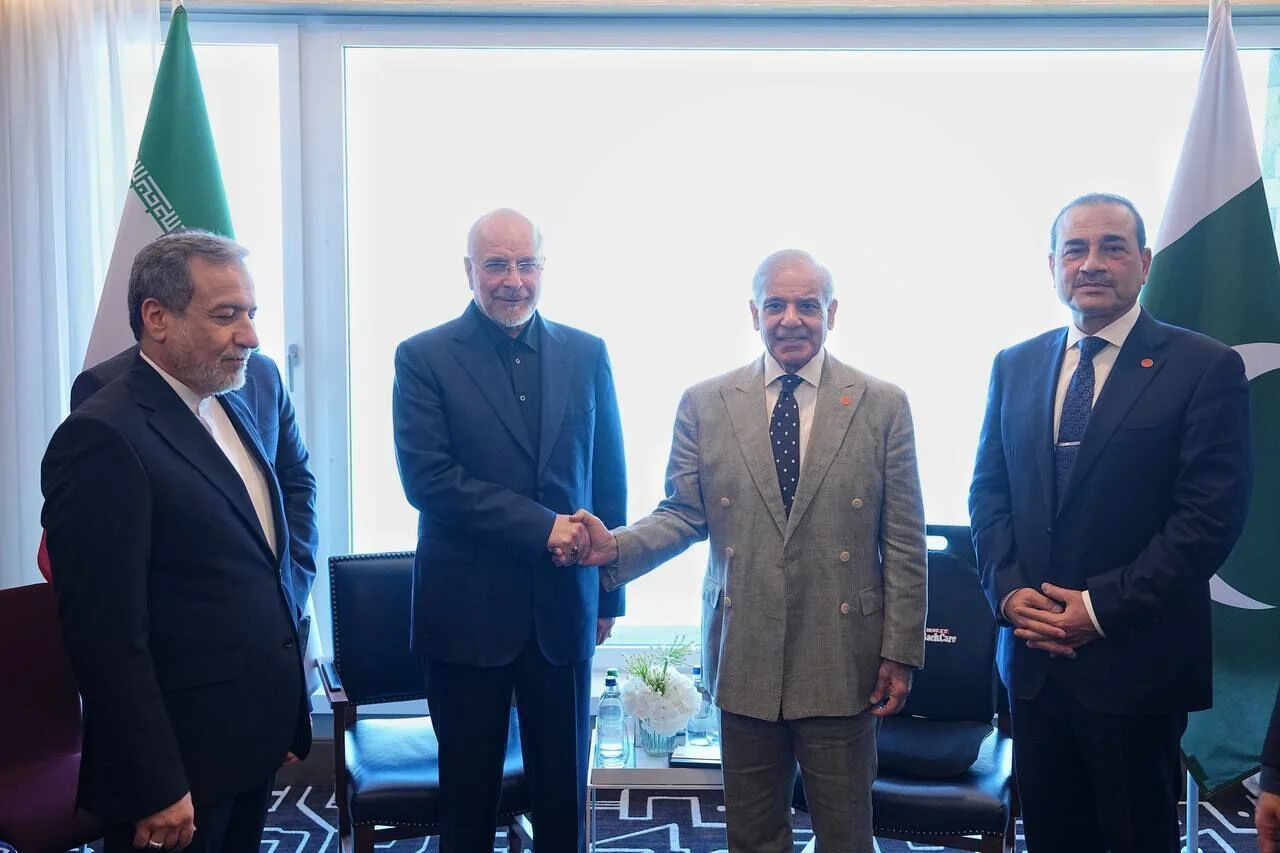
At 17:00 Tehran time, the diplomatic atmosphere has shifted from cautious preparation to active engagement. U.S. Vice President JD Vance and Iranian Parliament Speaker Mohammad Bagher Ghalibaf have officially begun face-to-face negotiations at the Bürgenstock resort in Switzerland. This meeting, facilitated by Pakistani Prime Minister Shehbaz Sharif, represents the most significant direct contact between the two nations in years. The focus of the talks is an 'initial peace deal' aimed at de-escalating the conflict in Lebanon and securing the reopening of the Strait of Hormuz.
The impact on the Iranian market was immediate and decisive. The USD/IRR exchange rate moved from 160,550 to 157,950, representing a 1.6% decline in just 24 hours. Similarly, Emami gold coins dropped from 165,500,000 to 162,500,000 Toman (-1.8%). This 'peace rally' suggests that local traders are betting heavily on a diplomatic breakthrough that could lead to the unfreezing of Iranian assets abroad and a reduction in the regional risk premium that has suffocated the economy for months.

The Hormuz Paradox: Diplomacy vs. Reality on the Water
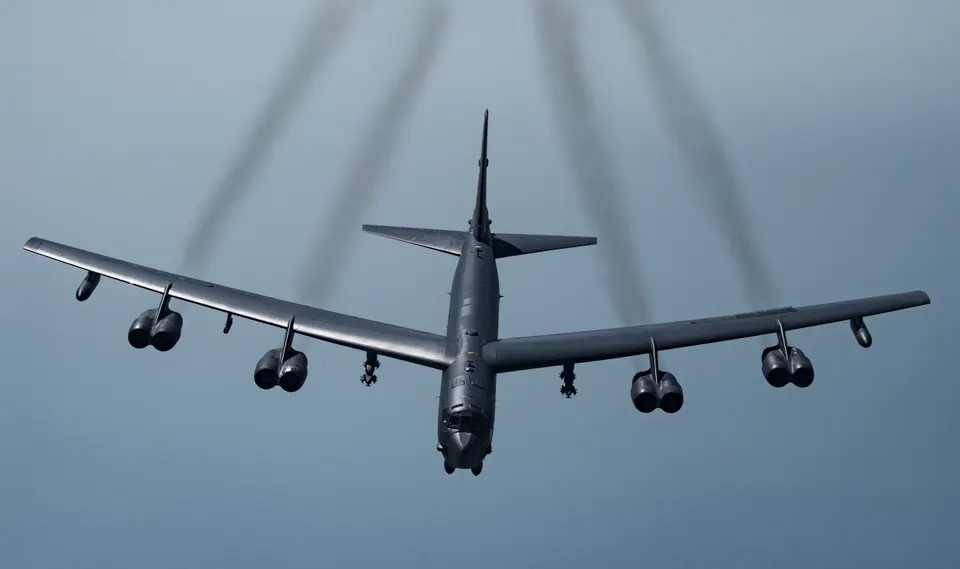
Despite the optimistic signals from the Swiss Alps, the physical reality in the Persian Gulf remains grim. Reports from the International Association of Independent Tanker Owners (Intertanko) reveal a humanitarian crisis unfolding as the Strait of Hormuz remains shut. Thousands of sailors are currently trapped on commercial vessels, dodging drone activity and rationing food supplies as the IRGC maintains its blockade. Tehran continues to justify the closure by accusing Israel of violating ceasefire terms in Lebanon, effectively using the world’s most vital oil artery as a primary bargaining chip in the ongoing Swiss negotiations.
For the global economy, this blockade is a double-edged sword. While the Toman is strengthening on the hope of a deal, global gold prices remain elevated at $4,156.70 per ounce, reflecting deep-seated fears of a supply chain collapse if the talks fail. The presence of JD Vance at the table suggests the U.S. is prioritizing a swift resolution to the energy crisis, but the 'ground truth' of drones and trapped tankers serves as a stark reminder that a signature in Switzerland does not immediately clear the mines or the tensions in the Strait.
Global Markets: The 'Warsh' Factor and Fed Resilience
While regional tensions dominate the headlines, global financial structures are bracing for a shift in U.S. monetary policy. Kevin Warsh, a key figure at the Federal Reserve, has signaled that the current bull market is unlikely to end despite the threat of further rate hikes. This perspective is vital for Iranian investors to understand, as it dictates the flow of global liquidity. If the Fed maintains a steady hand, the appetite for 'risk-on' assets—including emerging market currencies and even crypto—could stabilize, providing a more favorable backdrop for the Toman's recovery should the Swiss talks succeed.
Currently, Bitcoin is holding steady at $63,968, while Ethereum trades at $1,720.90. These assets are increasingly viewed as hedges against the very geopolitical volatility we see in the Middle East. For the Iranian reader, the convergence of a possible Swiss peace deal and a resilient global bull market creates a rare window of opportunity. However, the 1.2% drop in local 18k gold (from 16,088,692 to 15,898,240 Toman) warns that the 'fear premium' is beginning to evaporate, making physical gold a volatile hold in the immediate short term.
Watch
US-Iran talks to begin in Switzerland as Tehran says it closed Strait of Hormuz | BBC News
BBC News
Frequently Asked Questions
Why is the Toman strengthening if the Strait of Hormuz is still closed?
What is the role of Pakistan in the current Swiss negotiations?
How is the global gold price reacting to the Middle East crisis?
Geopolitical Risk and Currency Valuation
The news of a "Toman rally" amidst US-Iran negotiations and a potential resolution to the Strait of Hormuz blockade vividly illustrates a fundamental principle in global finance: the profound impact of geopolitical risk on a nation's currency valuation. Currencies are not merely units of exchange; they are barometers of a country's economic health, political stability, and international standing. When significant geopolitical events unfold, such as high-stakes peace talks or threats to vital trade routes, currency markets often react swiftly and dramatically, reflecting shifting perceptions of risk and opportunity.
Geopolitical stability generally fosters investor confidence. When a nation moves from a state of tension or conflict towards dialogue and potential resolution, the perceived risk of investing in that country decreases. This reduction in risk can attract foreign capital, leading to increased demand for the local currency. For a country like Iran, where the currency (the Rial, often referred to as Toman in everyday transactions) has historically been volatile due to sanctions and political isolation, news of diplomatic breakthroughs can signal a brighter economic future, potentially leading to the easing of sanctions, increased trade, and greater foreign direct investment.
Conversely, heightened geopolitical risk, such as the threat of a Strait of Hormuz blockade, introduces immense uncertainty. Such events can disrupt global trade, particularly oil shipments, and severely impact a nation's export revenues and overall economic stability. Investors tend to flee assets perceived as risky, converting local currency into safer havens, which depreciates the local currency. A "Toman rally" in this context suggests that market participants are anticipating a de-escalation, which would alleviate economic pressures and potentially unlock previously constrained economic activity, thereby increasing the currency's value.
Understanding this dynamic is crucial because currency fluctuations have direct implications for a country's economy and its citizens. A stronger currency can make imports cheaper, potentially curbing inflation, but it can also make exports more expensive and less competitive. For individuals, it affects purchasing power, the cost of international travel, and the value of savings. Thus, tracking geopolitical developments is not just about international relations; it's also about anticipating significant shifts in economic landscapes and personal finances.
Topics
Related Articles