Toman Rallies as Swiss Peace Talks Tackle Frozen Assets; Gaza Death Toll Surpasses 73,000
تقویت ۱.۷ درصدی تومان در آستانه توافق سوئیس؛ آمار شهدای غزه از مرز ۷۳ هزار نفر گذشت
The Iranian Toman has gained 1.7% against the dollar as high-stakes negotiations in Switzerland focus on unfreezing assets and resuming oil sales. Meanwhile, the humanitarian crisis in Gaza reaches a grim new milestone with over 73,000 casualties reported.
At time of publishing
USD
157,850
Toman
Gold 18K
15.89M
Toman / gram
Bitcoin
$63,948
US Dollar
Tether
159,137
Toman
The Human Cost and the Diplomatic Weight
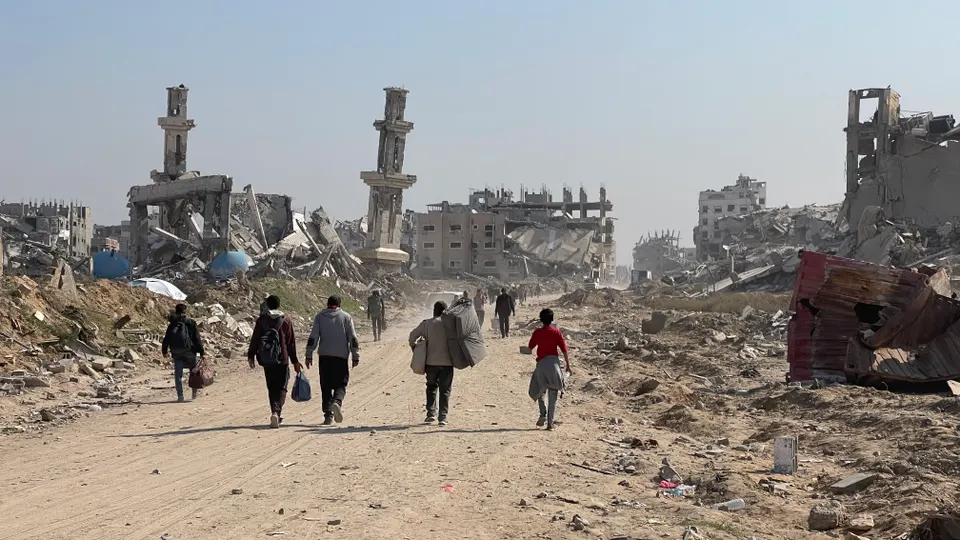
As delegations convene at the Bürgenstock resort in Switzerland, the grim reality of the regional conflict continues to cast a long shadow over the negotiating table. According to the latest reports from IRNA, the Palestinian death toll in the Gaza Strip has now reached 73,032, with 9 individuals losing their lives in the last 24 hours alone. This staggering milestone is more than just a statistic; it serves as the primary catalyst for the international community's urgency in Switzerland. The humanitarian catastrophe is no longer a localized issue but the central pillar of the geopolitical pressure being applied to both Washington and Tehran to reach a sustainable de-escalation.
For the Iranian public, these numbers are inextricably linked to the domestic economy. Every spike in regional tension has historically translated into market volatility. However, the current atmosphere suggests a pivot. While the human cost remains devastating, the diplomatic machinery is moving with a speed not seen in years. Negotiators are aware that a failure in Switzerland would not only prolong the suffering in Gaza and Lebanon but could also trigger a wider regional conflagration that neither side’s economy can afford. This shared sense of impending crisis is, paradoxically, what is keeping the peace talks alive despite the continued closure of the Strait of Hormuz.
The Three Key Architects of the Swiss Approach
Behind the closed doors of the Swiss summit, the Iranian strategy is being driven by a specific triumvirate of power. As highlighted by recent analysis, the Supreme Leader, the Foreign Minister, and the Speaker of the Parliament are the three men holding the keys to a potential breakthrough with Washington. This unified front represents a significant shift in Iranian domestic politics, indicating a consensus across the various branches of government. The Foreign Ministry, led by spokesperson Esmaeil Baqaei, has explicitly stated that the release of frozen assets and the normalization of oil sales are the non-negotiable priorities for the Iranian delegation.
This "three-pronged" approach is designed to ensure that any memorandum of understanding (MoU) signed in Switzerland has the legislative and spiritual backing necessary to withstand internal criticism. The focus on a Lebanon ceasefire is also central to these talks, as Iran seeks to protect its regional interests while securing economic relief. By positioning the Speaker of the Parliament as a key player, the administration is signaling to the markets that any deal will have the legal stability required for long-term investment. This internal cohesion is a major reason why the Toman is currently showing resilience in the face of external shocks.

Market Paradox: Toman Strengthens Amid Hormuz Closure
In a surprising display of market optimism, the Iranian Toman has strengthened significantly over the past 24 hours. The USD/IRR exchange rate moved from 160,550 down to 157,850, representing a 1.7% appreciation for the national currency. This rally occurred despite the fact that the Strait of Hormuz—the world’s most critical oil chokepoint—remains closed following Israeli strikes in Lebanon. Usually, such a closure would send the Toman into a tailspin, but the "Switzerland Effect" appears to be dominating trader sentiment. Investors are betting heavily that the talks will result in the unfreezing of billions of dollars in overseas assets, which would provide the Central Bank with the liquidity needed to defend the currency.
Gold and coin markets followed a similar downward trajectory, reflecting a decrease in the "risk premium" that usually inflates these assets during times of war. The price of 18k gold fell from 16,088,692 to 15,888,314 Toman per gram (-1.2%), while the Emami coin dropped from 165,500,000 to 163,000,000 Toman (-1.5%). This cooling of the gold market suggests that domestic investors are moving capital back into the Toman or other productive assets, anticipating a period of relative stability. However, this optimism remains fragile; any breakdown in the Swiss talks or a further escalation in Lebanon could quickly reverse these gains.

Shifting Alliances: The Ukraine-Poland Feud
While the world’s attention is focused on the Middle East, a significant diplomatic rift is opening in Eastern Europe. The long-standing alliance between Ukraine and Poland is facing its most severe test yet, as historical grievances over World War II-era massacres resurface. President Volodymyr Zelensky recently returned a high-level state decoration to Poland after Warsaw took offense at his decision to honor certain historical Ukrainian military units. This spat has escalated to the point where Poland has officially stripped Zelensky of one of its top awards, signaling a deep emotional and political divide between the two neighbors.
This feud is more than just a symbolic disagreement; it has real-world implications for the logistical pipelines supporting Ukraine. Poland has been the primary hub for Western aid, and any sustained diplomatic breakdown could threaten the efficiency of these supply chains. For global markets, this tension adds another layer of uncertainty to the energy and grain sectors. If the Poland-Ukraine relationship continues to deteriorate, it could force a realignment of European security priorities, potentially distracting Western powers from the ongoing negotiations in the Middle East. It serves as a reminder that even the most solid alliances are susceptible to the weight of history.
Frequently Asked Questions
Why is the Toman strengthening despite the Strait of Hormuz being closed?
Who are the three key Iranian figures leading the negotiations with the US?
What is causing the diplomatic rift between Poland and Ukraine?
Frozen Assets: A Tool in Geopolitical Leverage and Economic Impact
Frozen assets refer to financial assets—such as money, investments, or property—that are held by a country, entity, or individual but cannot be accessed, moved, or otherwise utilized due to orders from a government or international body. It's crucial to understand that these assets are not confiscated or seized outright; rather, they are rendered temporarily inaccessible. This measure is typically implemented as a component of broader economic sanctions, designed to exert pressure without outright appropriation.
The primary purpose of freezing assets is to serve as a powerful tool in foreign policy and international relations, enabling governments to exert leverage and compel other nations or specific entities to alter their behavior. These actions are often taken in response to perceived threats to international security, human rights violations, illicit activities like terrorism financing, or nuclear proliferation. By restricting access to vital financial resources, the sanctioning bodies aim to create economic discomfort and diplomatic pressure, thereby influencing the target's strategic decisions and actions.
The economic impact of frozen assets on a targeted country can be profound. Such restrictions severely limit a nation's ability to conduct international trade, access foreign currency reserves, finance essential imports, and stabilize its own currency. For instance, the headline's mention of the Toman rallying underscores how markets react positively to the mere prospect of these assets being unfrozen. This signals potential relief for the national economy, improved liquidity, and enhanced access to the foreign exchange necessary for international transactions.
Ultimately, the unfreezing of assets often accompanies significant diplomatic breakthroughs, peace talks, or the fulfillment of specific conditions set by the sanctioning powers. Their release signifies a de-escalation of tensions or a reward for compliance, providing a substantial injection of capital back into the economy. These funds can then be utilized to address pressing domestic needs, service international debts, or invest in critical infrastructure, offering a considerable boost to a struggling economy and potentially strengthening its national currency.
Topics
Related Articles