Yamal’s Historic Goal Ignites World Cup as Diplomatic Mixed Signals Roil US-Iran Swiss Talks
درخشش یامال در جام جهانی؛ سایه تهدیدهای ترامپ بر مذاکرات هستهای در سوئیس
Lamine Yamal makes history as Spain crushes Saudi Arabia 4-0 in the World Cup, while in Switzerland, a 'good cop, bad cop' dynamic emerges between JD Vance and Donald Trump during critical negotiations with Iran.
At time of publishing
USD
159,550
Toman
Gold 18K
16.06M
Toman / gram
Bitcoin
$64,078
US Dollar
Tether
161,210
Toman
Spain Rebounds as Yamal Makes History in World Cup Clash
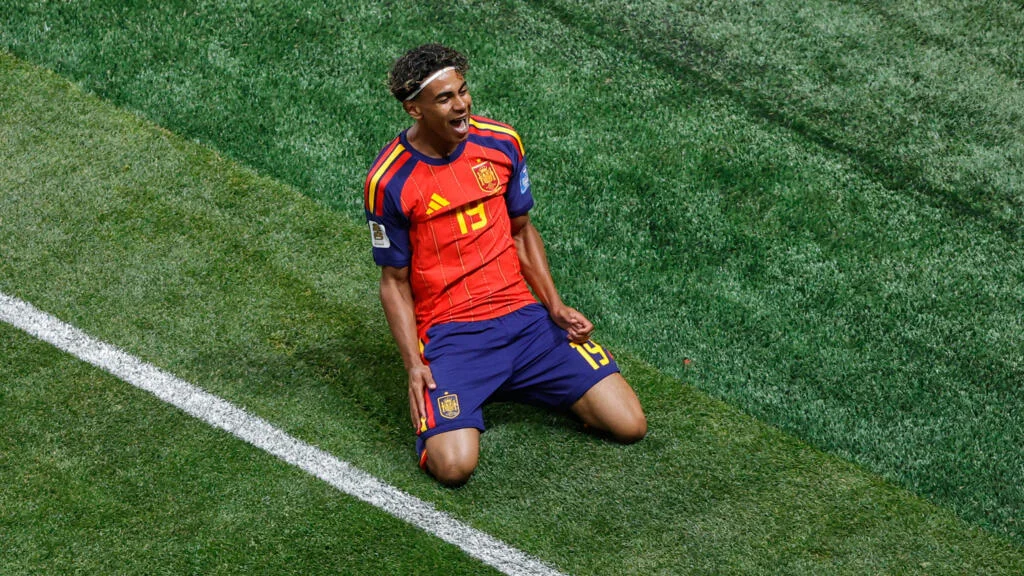
Spain’s national team firmly put their disappointing opening draw against Cape Verde behind them on Sunday, delivering a dominant 4-0 performance against Saudi Arabia in their Group H World Cup fixture. The standout moment came just ten minutes into the match when Lamine Yamal, the teenage sensation making his first start on football’s biggest stage, found the back of the net. This maiden goal not only secured Spain’s lead but also cemented Yamal's status as one of the most exciting young talents in the tournament’s history. The victory moves the European champions to the top of their group, providing much-needed momentum as they progress through the opening stages.

For Saudi Arabia, the defeat is a harsh reality check after a period of significant investment in their national football program. While the Green Falcons showed flashes of technical ability, they were ultimately overwhelmed by Spain’s precision and tactical discipline. Beyond the pitch, the match carries a layer of regional prestige; for Iranian observers, the performance of their neighbor and rival Saudi Arabia is always a point of intense scrutiny, especially as Asian teams struggle to maintain consistency against European powerhouses in the 2026 tournament.
Diplomatic Dissonance: Trump Threats Loom Over Swiss Peace Talks
The first day of high-stakes negotiations between the United States and Iran in Switzerland has been characterized by a jarring "good cop, bad cop" routine from the White House. While Vice President JD Vance has been in Bürgenstock hailing "progress" and offering an "outstretched hand" to the Iranian delegation led by Mohammad Bagher Ghalibaf, President Donald Trump has taken to social media to renew threats of military action. Trump specifically threatened to strike Iran if it does not cease its support for Hezbollah, even as a memorandum of understanding signed earlier this week was intended to freeze hostilities on all fronts, including Lebanon.

This split messaging has created immediate friction at the negotiating table. Iranian state media reported that their negotiators have now made a definitive end to the war in Lebanon a non-negotiable condition for any further progress in nuclear or economic talks. Speaker Ghalibaf dismissed Trump’s latest rhetoric, stating that Tehran does not "count US threats for anything" and emphasizing that the Iranian Armed Forces remain in a state of high readiness. The tension highlights the fragile nature of this diplomatic opening, where domestic political posturing in Washington could potentially derail months of back-channel preparation.
Toman Gains Ground as Markets Watch the Diplomatic Tightrope
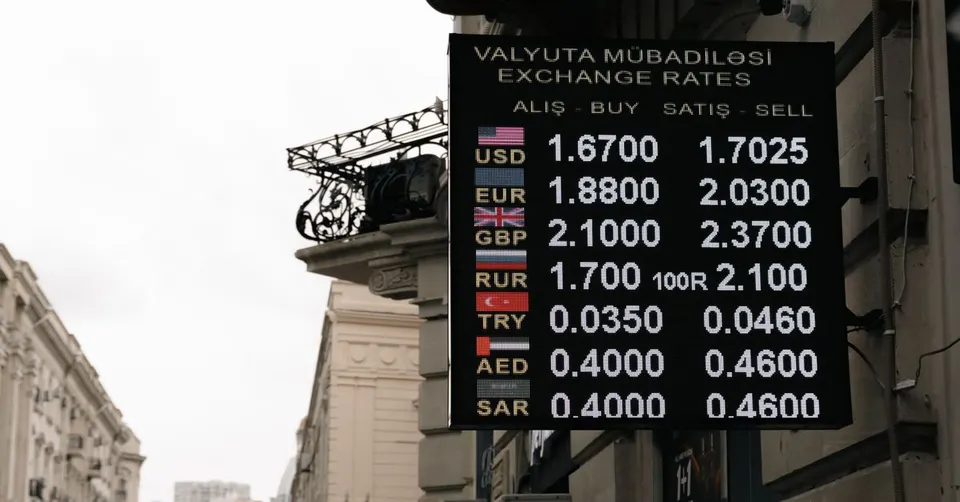
Despite the aggressive rhetoric from Washington, the Iranian currency market responded with cautious optimism to the start of the Swiss talks. In the last 24 hours, the US Dollar (USD) in the open market moved from 160,550 to 159,550 Toman, marking a 0.6% appreciation for the Toman. This suggests that traders are currently weighing the presence of JD Vance at the negotiating table more heavily than the President’s social media threats. However, the market remains highly sensitive; any breakdown in the Swiss talks or a significant escalation in Lebanon could quickly reverse these gains.
The gold and coin markets also saw a downward adjustment, reflecting a slight cooling of the "risk premium" that has dominated recent weeks. The Emami coin dropped from 165,500,000 to 163,500,000 Toman, a decline of 1.2%, while 18k gold per gram saw a marginal decrease of 0.2% to 16,058,451 Toman. With the global gold ounce price sitting at a lofty $4,156.70, the local price remains heavily anchored to international trends, but the strengthening of the Toman has provided a temporary buffer for domestic buyers. Investors are now looking toward Monday's sessions for signs of whether the diplomatic "strains" reported in Switzerland will turn into a full-scale deadlock.
Frequently Asked Questions
Why is Lamine Yamal's goal considered historic?
How can Trump threaten bombing while JD Vance is negotiating?
What is the primary condition Iran has set for the Swiss talks?
Understanding Geopolitical Risk: The Unseen Hand in Global Markets
Geopolitical risk refers to the potential for political events, conflicts, or instability between nations to impact global markets, economies, and international relations. It encompasses a wide range of factors, from diplomatic tensions and trade disputes to armed conflicts and shifts in alliances. Unlike conventional market risks, geopolitical risks are often unpredictable and can trigger sudden, widespread disruptions, influencing everything from commodity prices and currency exchange rates to investor confidence and supply chains. Understanding this concept is crucial for anyone trying to decipher the complex interplay between politics and economics in our interconnected world.
The ongoing relationship between the United States and Iran serves as a potent example of persistent geopolitical risk. Characterized by "mixed signals" in diplomatic talks, periods of heightened threats, and the shadow of sanctions, this dynamic creates a climate of profound uncertainty. Such ambiguity makes it difficult for businesses to plan, investors to commit, and even ordinary citizens to predict economic stability. The constant flux in diplomatic signals, whether from high-level meetings or public statements, directly feeds into this risk, keeping markets and policymakers on edge about potential escalations or de-escalations.
Economically, the impact of US-Iran geopolitical risk is keenly felt, particularly within Iran. The value of the Iranian Rial (IRR) against the US Dollar (USD) is highly sensitive to these political currents. Any perceived increase in tension or failure in negotiations can lead to a depreciation of the Rial, as capital seeks safer havens and economic uncertainty dampens investment. Similarly, the price of gold in Iran often acts as a barometer of domestic and regional instability. When geopolitical risks rise, gold typically becomes a preferred safe-haven asset, causing its price to surge as people seek to protect their wealth from currency devaluation and economic volatility.
These economic reverberations extend beyond the immediate borders. Instability in a key oil-producing region like the Middle East, fueled by US-Iran tensions, can send shockwaves through global energy markets. Moreover, the broader implications of geopolitical risk include disruptions to international trade routes, increased defense spending, and a diversion of resources from productive investments. Thus, understanding geopolitical risk is not merely an academic exercise; it's a practical necessity for navigating the financial and political landscapes of the 21st century.
Topics
Related Articles