Diplomatic Brinkmanship: Toman Stabilizes as Iran Suspends Swiss Talks Over Trump’s Bombing Threats
لبه پرتگاه دیپلماسی؛ ثبات تومان همزمان با تعلیق مذاکرات سوئیس در پی تهدیدهای ترامپ
High-stakes negotiations in Switzerland have hit a major roadblock as Iranian officials suspend face-to-face talks following aggressive rhetoric from Donald Trump. Despite the diplomatic chill, a draft agreement on oil export waivers offers a glimmer of hope for market stability.
At time of publishing
USD
159,750
Toman
Gold 18K
16.06M
Toman / gram
Bitcoin
$64,159
US Dollar
Tether
160,800
Toman
The Swiss Standoff: Threats Meet Diplomacy
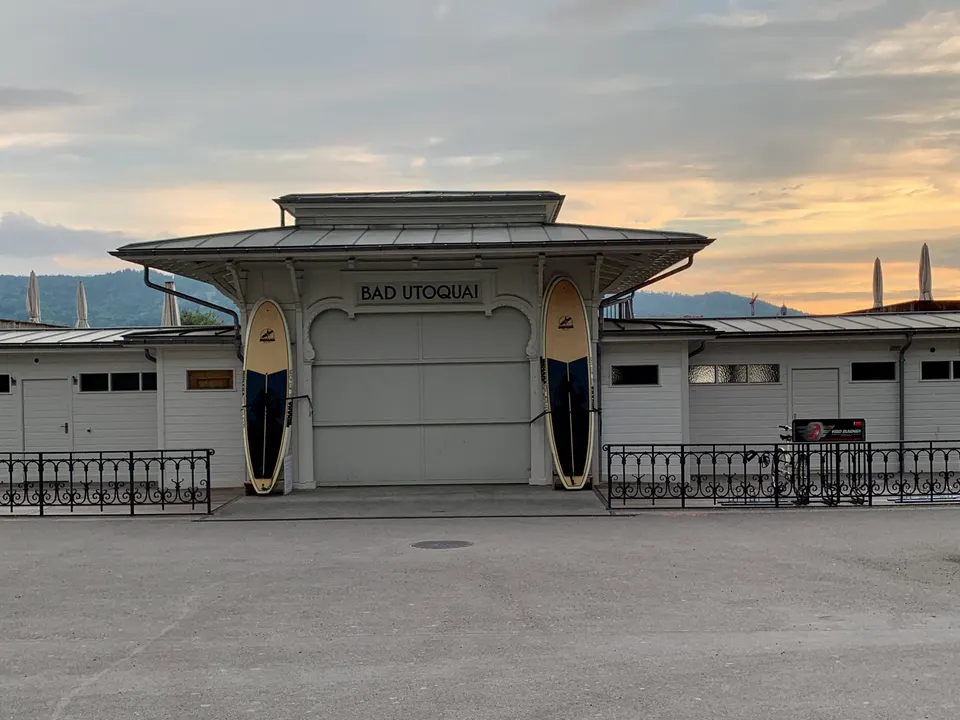
The high-altitude diplomacy at the Bürgenstock Resort in Switzerland has taken a dramatic turn as the Iranian negotiating team officially suspended face-to-face talks with their American counterparts. This move comes as a direct response to a series of escalating threats from Donald Trump, who suggested military action and even the detention of negotiators unless the Strait of Hormuz is immediately reopened. While the walkout signals a significant cooling of the atmosphere, it appears more symbolic than terminal; before the suspension, both sides reportedly reached a preliminary draft agreement concerning US waivers for Iranian oil exports. This draft is a critical prerequisite for any broader discussion on the nuclear file and suggests that beneath the fiery rhetoric, the machinery of a deal is still grinding forward.
Within the United States, the provisional progress in Switzerland is meeting stiff bipartisan resistance. Republican Senator John Cornyn has publicly criticized the potential deal, citing a recent analysis that suggests economic sanctions have failed to deter what he terms "rogue regimes." This internal friction highlights the precarious nature of the negotiations; while Vice President JD Vance hails the talks as a breakthrough for regional peace, the old guard in Washington remains skeptical of any arrangement that offers Iran a financial lifeline. For the Iranian reader, this political tug-of-war in D.C. is as important as the talks themselves, as any deal signed today could be dismantled by a future congressional vote or a shift in the executive branch's mood.
Pezeshkian’s Strategic Patience and Market Resilience
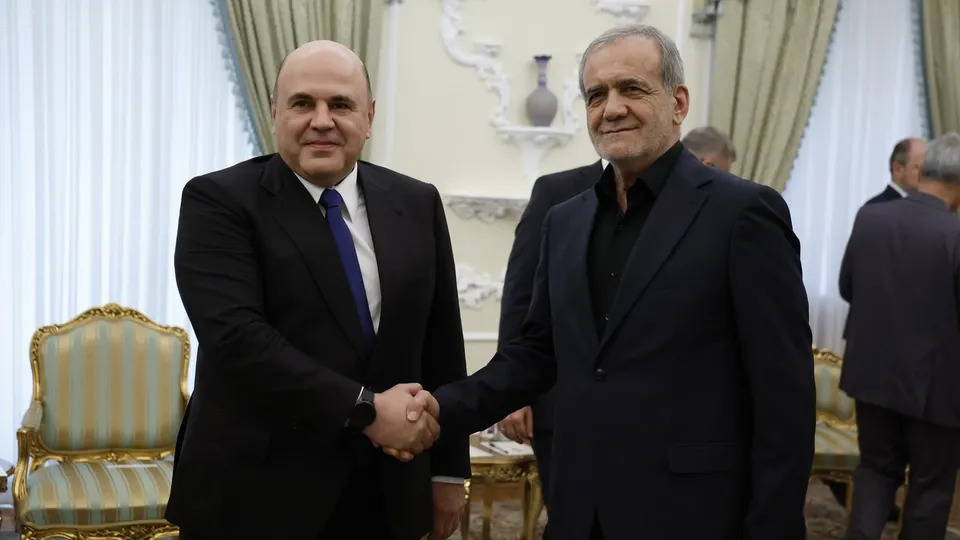
President Masoud Pezeshkian has responded to the international pressure by emphasizing that Iran has "no fear" in defending its legitimate rights. Speaking in Tehran, the President framed the current diplomatic engagement not as a sign of weakness, but as a proactive choice to prioritize national interests over a perpetual state of conflict. This rhetoric is carefully calibrated to satisfy domestic hardliners who view the Swiss talks with suspicion, while simultaneously signaling to the international community that the door to dialogue remains open—provided that respect and sovereignty are maintained. Pezeshkian’s stance suggests a strategy of "calculated resistance," where Iran uses its leverage in the Strait of Hormuz to force concessions at the negotiating table.
In the markets, this geopolitical drama has resulted in a surprising level of stability for the Iranian Toman. The USD sell rate moved from 160,550 to 159,750, marking a modest 0.5% appreciation for the local currency over the last 24 hours. Gold prices followed a similar downward trend, with the Emami coin dropping from 165,500,000 to 163,500,000 Toman (-1.2%). This suggests that traders are currently pricing in a "wait-and-see" approach rather than a full-scale panic. The existence of the draft oil waiver agreement seems to be acting as a psychological floor for the Toman, as investors gamble that the economic benefits of renewed oil exports will eventually outweigh the current diplomatic friction.
The Nuclear Reality: SMRs and Global Energy Shifts
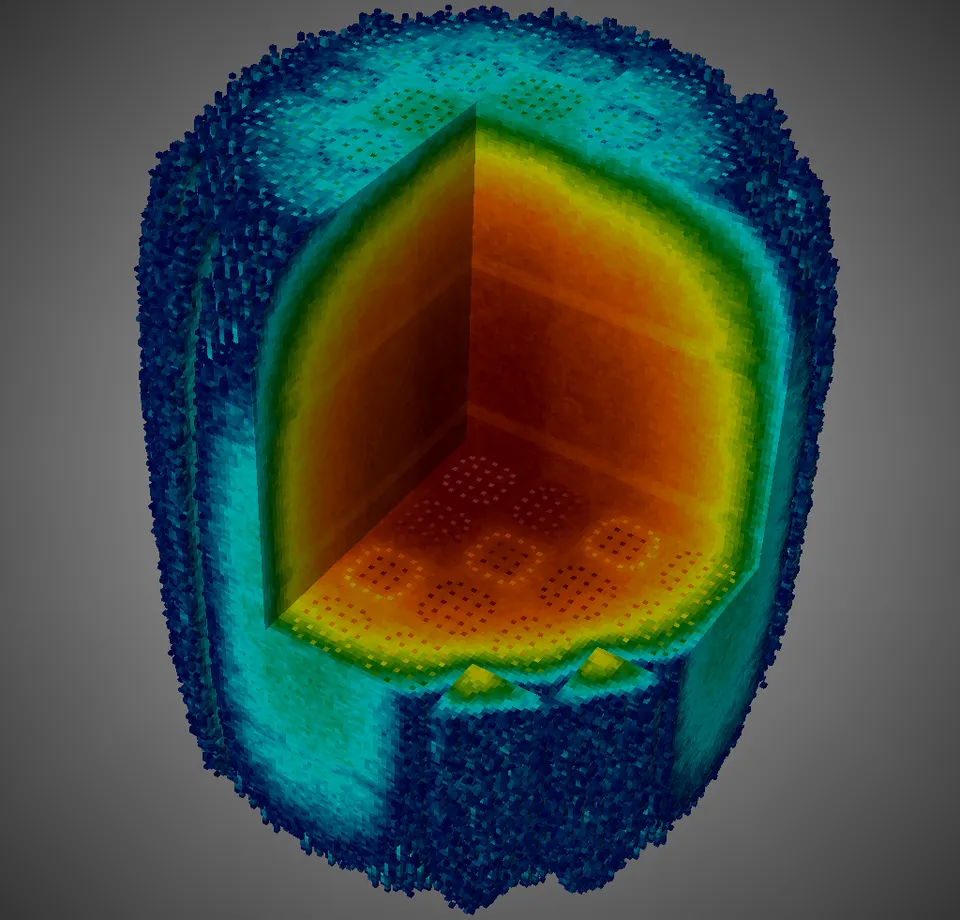
While the political focus remains on sanctions and oil, a broader technological shift is complicating the global nuclear landscape. The once-hyped "Small Modular Reactor" (SMR) revolution, which promised a faster and cheaper nuclear renaissance, is facing significant headwinds. Supply chain disruptions and technical hurdles have slowed the rollout of these 300 MW units, which were originally seen as a way for countries like Iran to modernize their energy grids without the massive footprint of traditional reactors. This slowdown in SMR technology means that the energy component of the US-Iran negotiations remains tied to older, more controversial large-scale projects, making the verification and monitoring process even more contentious for international inspectors.
Finally, the geopolitical mood is further darkened by rising social tensions in Europe, exemplified by a series of suspected anti-Muslim attacks in Edinburgh. Witnesses reported targeted assaults on taxi drivers and delivery couriers, an incident that Scottish authorities are treating with extreme gravity. While seemingly disconnected from the halls of Swiss diplomacy, such events contribute to a global atmosphere of volatility and polarization. For investors, these incidents serve as a reminder that the world is currently a powder keg of social and political grievances, where a single spark—be it a social media post from a world leader or a local act of violence—can rapidly shift market sentiment and disrupt the fragile peace currently being negotiated in the Alps.
Frequently Asked Questions
Why did the Iranian team suspend the talks in Switzerland?
How did the USD/IRR exchange rate react to the news of the walkout?
What is the status of the 'Small Modular Reactor' technology mentioned?
Understanding Diplomatic Brinkmanship
Diplomatic brinkmanship is a high-stakes strategy where one party pushes a situation to the very edge of catastrophe in order to achieve an advantageous outcome. Originating prominently during the Cold War with nuclear strategy, it involves creating a credible threat of undesirable consequences, such as military action or severe economic measures, to compel an opponent to concede to demands. The term itself implies standing at the 'brink' of disaster, daring the other side to flinch first.
The mechanism of brinkmanship relies heavily on a careful calibration of threats and perceived resolve. The goal is to make the cost of not conceding appear higher to the opponent than the cost of conceding. This often involves public declarations, military posturing, or economic sanctions designed to demonstrate commitment to the threat. Success hinges on the credibility of the threat and the opponent's belief that the instigator is willing to follow through, even if it means risking mutual harm.
In the context of the provided headline and keywords, the concept of brinkmanship is central. Donald Trump's 'bombing threats' against Iran, the subsequent suspension of Swiss talks, and the potential for a Strait of Hormuz blockade are all classic examples of brinkmanship. These actions are designed to exert maximum pressure, influencing everything from the Toman's exchange rate to the broader geopolitical landscape. The stabilization or destabilization of the Toman, as mentioned, directly reflects market perceptions of the success or failure of these high-risk diplomatic maneuvers.
While brinkmanship can sometimes achieve diplomatic breakthroughs by forcing concessions without actual conflict, it carries immense risks. A miscalculation, a misunderstanding of intent, or a failure to back down by either side can lead to unintended escalation, potentially triggering the very catastrophe it sought to avoid. The delicate balance between demonstrating resolve and avoiding outright conflict makes it one of the most dangerous, yet historically recurrent, tools in international relations.
Topics
Related Articles