US-Iran Talks Lay "Good Foundation" for Deal; Oil Exports Surge Through Hormuz; Gold Up 1.3%
مذاکرات آمریکا و ایران «بنیاد خوبی» برای توافق میگذارد؛ صادرات نفت از هرمز اوج گرفت؛ طلا ۱.۳٪ رشد کرد
Diplomatic breakthroughs between the US and Iran signal a "very good foundation" for a final deal, including a return of UN nuclear inspectors and a 60-day roadmap. Concurrently, Iran's oil exports through the Strait of Hormuz have reached a wartime high, boosting economic prospects. Gold prices in Iran saw a modest rise amidst these geopolitical shifts, while currency markets remained stable.
At time of publishing
USD
159,750
Toman
Gold 18K
16.27M
Toman / gram
Bitcoin
$64,843
US Dollar
Tether
159,800
Toman
US-Iran Talks Lay "Good Foundation" for Deal Amid Nuclear Inspections & Regional Stability Hopes
US Vice President JD Vance has stated that the latest round of talks with Iran laid a "very good foundation for a successful final deal," marking what he called a "major milestone" in diplomatic efforts. This positive assessment follows earlier declarations of "progress" from Iran's Foreign Minister, Abbas Araghchi, despite a tense opening marked by threats from former US President Donald Trump. The negotiations, mediated by Pakistan and Qatar, have reportedly yielded a roadmap for a final deal within 60 days, establishing a "high-level committee" for political oversight as talks transition into a more "technical phase." Crucially, Vance also indicated that Iran has agreed to invite UN nuclear inspectors back into the country, a significant step towards rebuilding international trust.
For Iranian readers, these developments signal a potential path towards eased international pressure and improved economic prospects, although the 60-day roadmap and the detailed "technical phase" suggest that complexities remain and a quick resolution is not guaranteed. Araghchi specifically linked the progress to ending the conflict in Lebanon, highlighting a broader regional de-escalation framework being pursued, which also involves addressing the situation in Gaza. The return of UN inspectors is a critical component for the international community, potentially paving the way for future sanctions relief and greater integration into the global economy, making the specifics of these technical discussions vital for market participants.
Iran's Oil Exports Surge Through Hormuz as Blockade Lifts
Iran's oil exports through the strategically vital Strait of Hormuz have reportedly reached a "wartime high," a direct consequence of the recent lifting of a US naval blockade and ongoing discussions for a lasting peace deal. According to reports, at least three supertankers, carrying a combined total of 6 million barrels of Iranian crude, have successfully navigated the Gulf. This surge indicates Iran's swift action to clear its backlog of oil that had been constrained by the blockade over the past two months.
This development is not isolated to Iran; Kuwait is also signaling increased confidence in the region by offering naphtha for loading at its ports, the first such tender in months. The move by Gulf producers to raise shipments through the Strait of Hormuz underscores a perceived improvement in the security and stability of this critical chokepoint for global energy supplies. While Western shippers and insurers remain cautiously optimistic, the tangible increase in exports suggests a significant shift in regional dynamics.
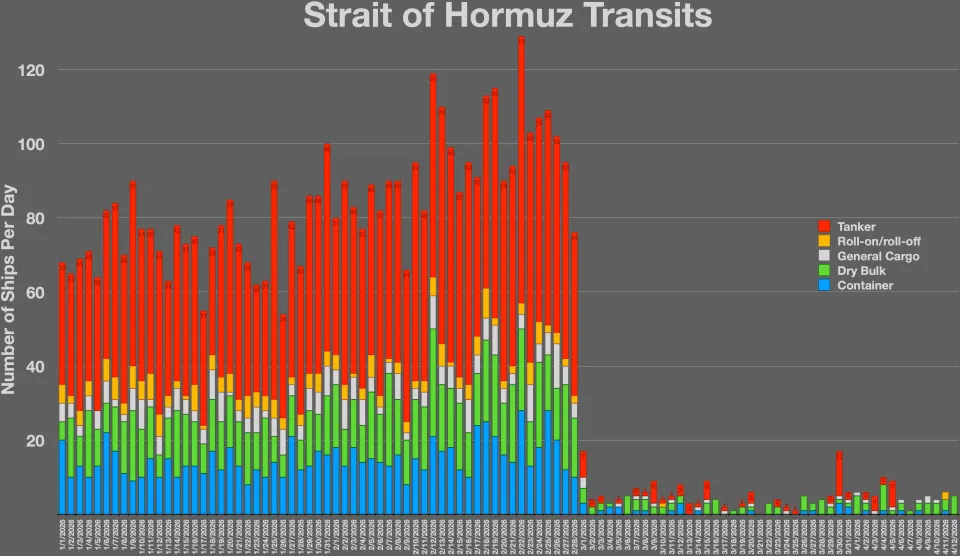
For Iran, this surge in exports represents a significant economic boon, allowing the country to monetize its substantial oil reserves and generate much-needed foreign currency, directly impacting the nation's financial health. Globally, the increased supply of Iranian crude could exert downward pressure on international oil prices, benefiting consumers but potentially challenging other oil-producing nations. The restoration of confidence in the Strait of Hormuz as a secure shipping lane is paramount for the stability of global energy markets and plays a crucial role in overall economic predictability.
Gold Prices Edge Up as Global Markets React to Geopolitical Shifts
Amidst the diplomatic developments concerning US-Iran talks and the easing of tensions in the Strait of Hormuz, the price of Gold 18k/gram in Iran saw a modest increase over the past 24 hours. It rose from 16,058,451 Toman to 16,268,525 Toman, marking a +1.3% gain. In contrast, the USD/IRR exchange rate remained stable at 159,750 Toman, showing no change, and the Emami coin also held steady at 163,500,000 Toman, reflecting a period of equilibrium in these specific segments of the market.
Gold, traditionally viewed as a safe-haven asset, often responds to a complex interplay of geopolitical stability and economic sentiment. While a reduction in geopolitical risk might typically lead to a cooling of gold demand, the observed increase in local 18k gold prices suggests that Iranian investors may be reacting to a blend of factors. This could include a cautious optimism about future economic conditions under potentially eased sanctions, or continued hedging against domestic inflationary pressures, indicating a nuanced interpretation of the unfolding geopolitical landscape where long-term implications are still being assessed.
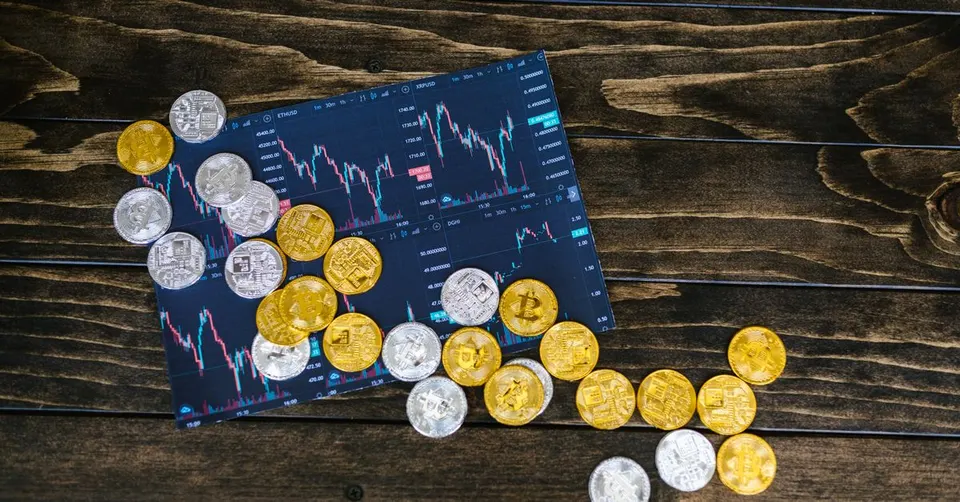
The stability of the USD/IRR and Emami coin prices suggests a 'wait and see' approach among currency and coin market participants, possibly indicating that the market is absorbing the news without immediate drastic shifts. For investors, these mixed signals highlight the importance of closely monitoring the specifics of any future diplomatic agreements and their direct impact on Iran's economy. The modest rise in gold could be a signal of sustained domestic demand for tangible assets in an environment of evolving external and internal economic factors.
Remembering Alan Greenspan: The Architect of Modern American Economy Passes at 100
Alan Greenspan, the highly influential economist who served as the chairman of the US Federal Reserve for an unprecedented five terms under four different presidents, has passed away at the age of 100. Often recognized as the "architect of the modern American economy," Greenspan's long tenure at the helm of the Fed, from 1987 to 2006, saw him navigate the US economy through transformative periods, including the dot-com boom and bust, and the lead-up to the 2008 global financial crisis. His decisions on monetary policy profoundly shaped not only the American financial landscape but also global economic thought for decades.
Greenspan's death marks the passing of a titan in economic policy, whose legacy continues to be a subject of intense academic and public debate. His approach to interest rate management, his advocacy for deregulation, and his responses to various economic shocks were central to the economic philosophy of his era. His nearly two-decade leadership at the Federal Reserve solidified the institution's role as a powerful independent entity in global finance, and his pronouncements were keenly watched by markets worldwide, often moving them with just a few words.
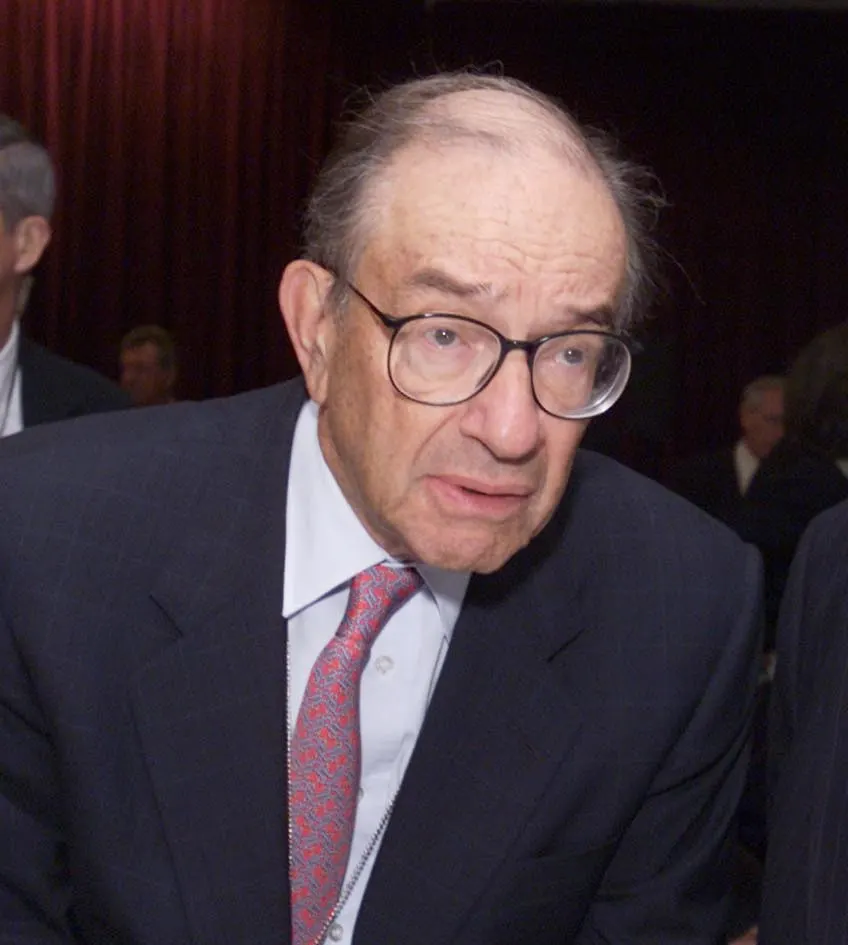
While his passing is a historical event rather than a current policy shift, it prompts critical reflection on the evolution of central banking and economic management paradigms. Economists and policymakers today continue to analyze his policies for their long-term impact on financial stability, inflation, and the subsequent global financial crises. His era set precedents that still inform contemporary monetary policy discussions, making his contributions a continuous point of reference for understanding modern capitalism and the intricate relationship between central banks and market dynamics.
Global Political Brief: Ugandan Opposition Figure's Lawyer Blocked
In a development highlighting ongoing political tensions in East Africa, Martha Karua, a former Kenyan justice minister and a prominent lawyer, was reportedly blocked from entering Uganda. Karua was intending to represent detained Ugandan opposition leader Kizza Besigye, who is currently facing trial on treason charges. This incident underscores the persistent challenges to political freedoms and legal representation in certain regions of the world.
This action by Ugandan authorities suggests a deliberate effort to control the narrative and legal proceedings surrounding a sensitive political trial, potentially aiming to limit external scrutiny or support for the opposition. The blocking of a high-profile legal figure from a neighboring country can be interpreted as a move to assert sovereign control over internal affairs, even at the cost of international legal norms and regional diplomatic relations.
While geographically distant from the immediate concerns of the Middle East and global markets, such events contribute to the broader global picture of political stability and human rights. For international observers and human rights advocates, it raises questions about due process and the rule of law, serving as a reminder that political fragility and challenges to democratic principles are not confined to a single part of the world and can have ripple effects on international relations and advocacy efforts.
Frequently Asked Questions
What is the latest development in US-Iran talks?
How have Iran's oil exports been affected by recent geopolitical shifts?
How did the Iranian market react to these developments?
Who was Alan Greenspan and why is his passing significant?
What does the blocking of Martha Karua in Uganda signify?
The Geopolitical Significance of the Strait of Hormuz
The Strait of Hormuz is one of the world's most critical maritime chokepoints, a narrow waterway connecting the Persian Gulf to the Arabian Sea and the broader Indian Ocean. Geographically, it is bordered by Iran to the north and Oman's Musandam Peninsula to the south. Its strategic importance stems from its role as the sole sea passage from the Persian Gulf for a substantial portion of the world's oil and liquefied natural gas (LNG) exports, making it indispensable for global energy markets and international trade.
Each day, an immense volume of crude oil, petroleum products, and LNG traverses this strait, representing roughly one-fifth of the world's total petroleum consumption and a significant percentage of global LNG trade. Tankers carrying oil from major producers like Saudi Arabia, Iran, UAE, Kuwait, and Iraq must pass through its approximately 21-mile wide shipping lanes. Any disruption to this flow, whether due to political tensions, military conflict, or even accidental blockages, can send immediate shockwaves through global energy markets, leading to sharp spikes in oil prices and profound economic uncertainty.
Given its vital role, the Strait of Hormuz frequently becomes a focal point of geopolitical tensions, particularly involving Iran, which controls its northern coast. Discussions surrounding "US-Iran talks" and "Iran oil exports" are often intrinsically linked to the strait's security and the freedom of navigation through it. Threats to close or impede traffic in the strait, often voiced during periods of heightened international pressure or sanctions, are taken extremely seriously by the global community, underscoring its vulnerability as a strategic flashpoint in the Middle East economy. Understanding this narrow waterway's immense strategic value is key to comprehending global energy security and regional stability.
Topics
Related Articles