UK Leadership Transition: Burnham Poised to Succeed Starmer Amidst Iran Talks Analysis and Northern Ireland Conviction Fallout
انتقال رهبری بریتانیا: برنهام در آستانه جانشینی استارمر در بحبوحه تحلیل مذاکرات ایران و پیامدهای محکومیت در ایرلند شمالی
The UK political landscape is shifting as Keir Starmer steps down, paving the way for Andy Burnham to potentially become the next Prime Minister without an early general election. Meanwhile, US-Iran negotiations continue to draw scrutiny, with analysts suggesting Iran holds the upper hand, and Northern Ireland grapples with the fallout from Jeffrey Donaldson's conviction. France faces a growing energy challenge amidst a new heatwave, while US building material stocks signal a residential recovery.
At time of publishing
USD
160,050
Toman
Gold 18K
16.23M
Toman / gram
Bitcoin
$64,997
US Dollar
Tether
159,601
Toman
UK Leadership Transition: Burnham Poised to Succeed Starmer
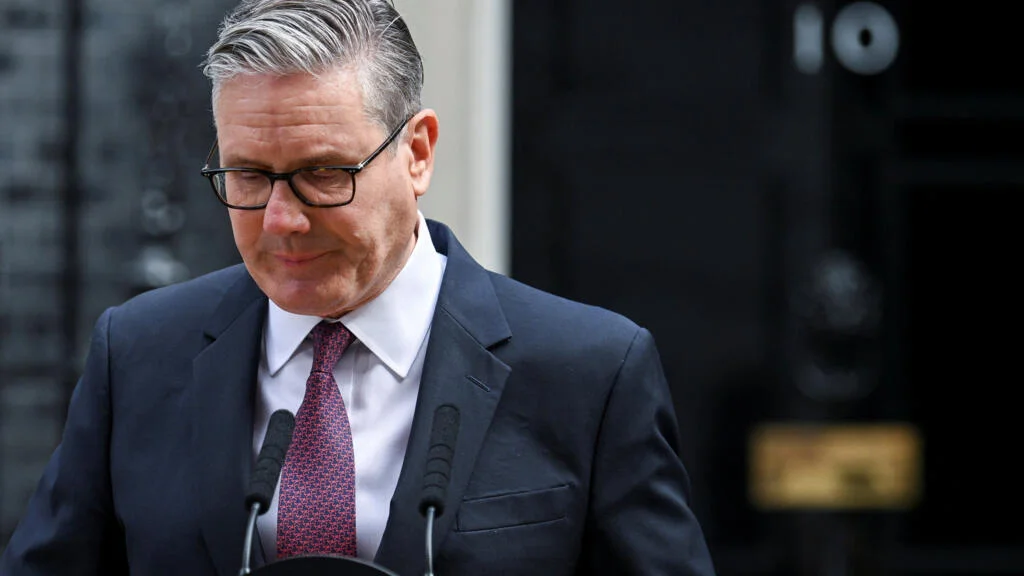
Britain is witnessing a significant political transition as Prime Minister Keir Starmer has announced his resignation as leader of the governing Labour Party. This move, while leaving Starmer as caretaker PM, sets the stage for a new party head, with Andy Burnham, fresh off a by-election victory and widely regarded as the party's most popular politician, emerging as the likely successor. Burnham has already secured key endorsements, signaling a relatively smooth, albeit swift, leadership contest within the Labour ranks.
This leadership change is anticipated to be more of a "passing of the crown" than a disruptive power vacuum, with analysts suggesting an early general election is unlikely. The focus will now shift to Burnham's vision for the country and his ability to unite the party and govern effectively. The absence of a snap election provides a degree of political stability, allowing for a more controlled transition, which could reassure markets and international partners who value predictability in a major global player like the UK.
US-Iran Negotiations: Analysts See Tehran with the 'Upper Hand'
Negotiations between the United States and Iran continue to be a focal point of international diplomacy, with recent developments sparking varied interpretations. Vice President JD Vance announced that Iran has agreed to invite U.N. nuclear inspectors back into the country following the first round of talks, a move that could signal tangible progress on the nuclear front. Simultaneously, agreements have been reached to establish a Strait of Hormuz hotline and a “de-confliction cell” for Lebanon, according to mediators from Pakistan and Qatar, aiming to reduce regional tensions and miscalculations.
However, a contrasting perspective emerged from Scott Lucas, Professor of American Studies and International Politics, who suggested that Iran holds the "upper hand" in these peace negotiations. Lucas argues that the U.S. has shifted from a stance of "regime change to regime surrender," having failed in previous attempts to coerce Iran through military threats and blockades. He highlighted that the U.S. miscalculated the impact of Iran's retaliation on Gulf states and the global economy via the Strait of Hormuz, forcing them back to the negotiating table without a position of strength. This analytical view suggests that any agreements reached might reflect a greater degree of Iranian leverage than initially perceived, potentially shaping the long-term geopolitical balance in the Middle East and influencing global energy security.
Jeffrey Donaldson Conviction Rocks Northern Irish Politics
The political landscape of Northern Ireland has been profoundly shaken by the conviction of Jeffrey Donaldson, the former leader of the Democratic Unionist Party (DUP). Donaldson was found guilty of 18 child sexual offences, including rape, following a high-profile trial that has captivated and appalled the region. This verdict marks a dramatic fall from grace for a figure who was once a towering presence in Unionist politics and a key architect of power-sharing agreements.
The conviction is expected to have significant and lasting repercussions for the DUP, which is already navigating complex political terrain. It will undoubtedly trigger a period of introspection and potential instability within the party, possibly leading to leadership challenges and a re-evaluation of its strategic direction. For Northern Ireland as a whole, this scandal adds another layer of complexity to its already fragile political institutions, potentially impacting the stability of the devolved government and casting a shadow over public trust in political leadership during a critical period for the region's future.
French Heatwave Drives Up AC Demand Amidst Climate Concerns
France is currently experiencing its second early-season heatwave, a phenomenon that has reignited the politically charged debate surrounding air conditioning. Historically, France has been notably reticent to adopt AC technology, with just 25% of households currently equipped with it. However, this figure represents a significant increase from a decade ago and is projected to continue rising rapidly as climate change brings increasingly frequent and intense episodes of extreme heat across the nation.
This surge in demand for cooling solutions highlights a broader societal adaptation to a changing climate. While France's largely nuclear-based power generation system means the environmental impact of increased electricity consumption for AC is less severe than in countries reliant on fossil fuels, other concerns persist, including grid strain during peak demand and the urban heat island effect. The rising adoption of AC signifies a major shift in consumer behavior and infrastructure needs, underscoring the economic and social challenges posed by global warming, and pushing policymakers to consider energy efficiency and sustainable cooling strategies.

Global Markets Eye Residential Recovery as Gold Gains
In the global markets, signs of a residential recovery in the United States are drawing investor attention, with building materials stocks like Lowe’s Companies, Inc. (LOW) and The Home Depot, Inc. (HD) being highlighted as potentially strong buys. This optimism suggests a resilient housing sector, which, despite broader economic uncertainties, is generating demand for construction and renovation materials. Such a recovery could serve as a positive indicator for the wider US economy, influencing investor sentiment beyond specific sectors.
The strength in the US housing market, if sustained, could have ripple effects across global supply chains and commodity markets, suggesting a degree of underlying economic robustness. Meanwhile, local markets in Iran continue to show movement. The USD/IRR, for instance, saw a slight increase, moving from 159,750 to 160,050, marking a +0.2% change over 24 hours. Gold 18k/gram also experienced an uptick, rising from 16,058,451 to 16,232,051, a +1.1% increase, reflecting ongoing local dynamics and potentially reacting to broader geopolitical and economic cues, including the uncertainty surrounding international diplomacy and the perceived stability of traditional assets.
Watch
Andy Burnham will run to replace Starmer as UK prime minister | BBC News
BBC News
Frequently Asked Questions
What are the immediate implications of Keir Starmer's resignation for UK politics?
How do analysts view the current power dynamics in US-Iran negotiations?
What is the significance of Jeffrey Donaldson's conviction for Northern Ireland?
How is the French heatwave impacting its energy consumption and climate policy?
What do rising US building material stocks indicate for the global economy and local markets?
Geopolitical Chokepoints and Global Energy Security
Geopolitical chokepoints are narrow maritime passages that are crucial for global trade, particularly for the transit of energy resources like oil and natural gas. Their strategic importance stems from the fact that a significant portion of the world's commercial traffic, often including vital raw materials and finished goods, must pass through these limited routes. Any disruption to these chokepoints, whether due to political instability, military conflict, or even natural disasters, can have cascading effects on global supply chains, energy prices, and international relations.
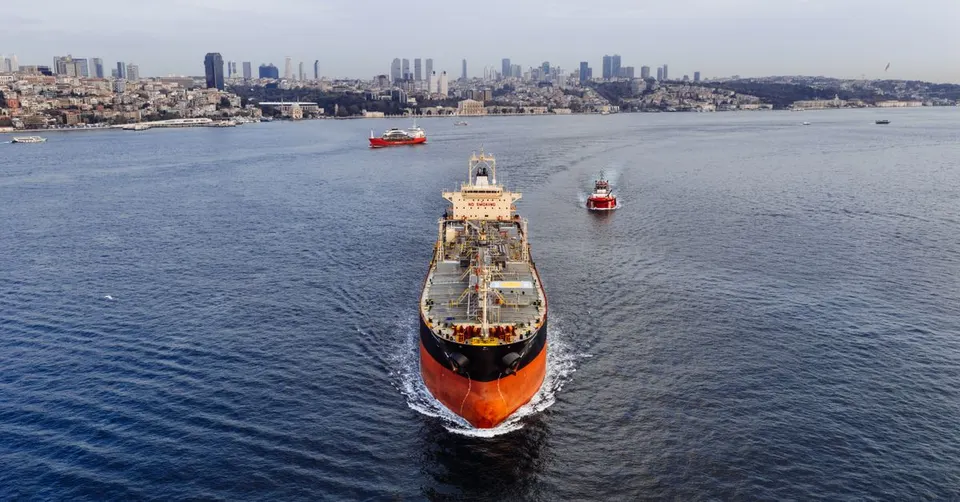
The Strait of Hormuz stands as one of the most prominent and critical geopolitical chokepoints in the world. Located between the Persian Gulf and the Gulf of Oman, it is the sole sea passage from the Persian Gulf to the open ocean. A staggering amount of the world's seaborne oil — roughly one-fifth of global consumption — and a substantial volume of liquefied natural gas (LNG) transits through this strait daily. This makes it an indispensable artery for global energy markets, linking major oil and gas producers in the Middle East to consumers across Asia, Europe, and the Americas.
The immense volume of energy resources passing through the Strait of Hormuz renders it a focal point of international concern and a barometer of regional stability. Tensions, such as those often seen in US-Iran relations and related discussions, can immediately elevate the perceived risk of disruption in the strait. Such heightened risks can lead to spikes in global oil prices, impacting economies worldwide. Consequently, ensuring the free and safe passage through the Strait of Hormuz is a paramount concern for major global powers, often necessitating diplomatic efforts, naval presence, and multilateral cooperation to safeguard this vital artery of global commerce and energy security.
Topics
Related Articles