Trump Blames ‘Vandals’ for DC Pool Failure as 60-Day Sanctions Pause Sends Oil Below $74
ادعای ترامپ درباره «خرابکاری» در واشینگتن همزمان با سقوط قیمت نفت به زیر ۷۴ دلار
Donald Trump faces scrutiny over a failing $14 million renovation project in Washington while global energy markets react to a 60-day pause on Iranian oil sanctions. As oil prices hit 16-week lows, the US airline industry anticipates $40 billion in savings, and the Iranian Rial sees a slight reprieve.
At time of publishing
USD
159,150
Toman
Gold 18K
16.12M
Toman / gram
Bitcoin
$64,605
US Dollar
Tether
159,555
Toman
The $14 Million Algae Crisis in Washington
President Donald Trump’s ambitious plan to beautify the Lincoln Memorial reflecting pool in time for the United States' 250th anniversary has hit a literal and figurative wall. The $14 million renovation project, which was fast-tracked to serve as a centerpiece for summer celebrations, is currently plagued by persistent algae blooms, peeling paint, and a ballooning budget. In a characteristically defiant move, Trump has claimed that "vandals" are responsible for the setbacks, though local observers and contractors point toward the rushed nature of the work and environmental factors that were perhaps overlooked in the haste to meet a political deadline.

This controversy underscores the friction between the administration's desire for symbolic national victories and the logistical realities of federal infrastructure management. While the President insists on a "beautiful" birthday celebration for the capital, the public has become increasingly skeptical of the project's management. Beyond the aesthetic failure, the story serves as a distraction from broader geopolitical shifts, yet it highlights the administration's current focus on domestic optics as it simultaneously navigates high-stakes negotiations with foreign adversaries like Tehran.
Sanctions Easing and the $74 Oil Floor
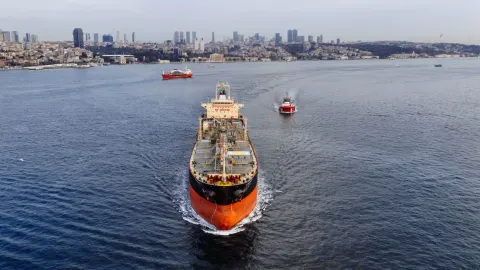
In a move that has sent shockwaves through the global energy sector, the United States has officially initiated a 60-day pause on certain Iranian oil sanctions. Vice President JD Vance confirmed that this easing is a direct result of Iran agreeing to resume international nuclear inspections, a framework reminiscent of the Obama-era deal that Trump famously exited in 2018. This diplomatic breakthrough has had an immediate and profound impact on the markets; U.S. oil prices fell below $74 a barrel, marking a significant decline as traders price in the potential for increased Iranian crude supply entering a market where supplies were nearing critically low levels.
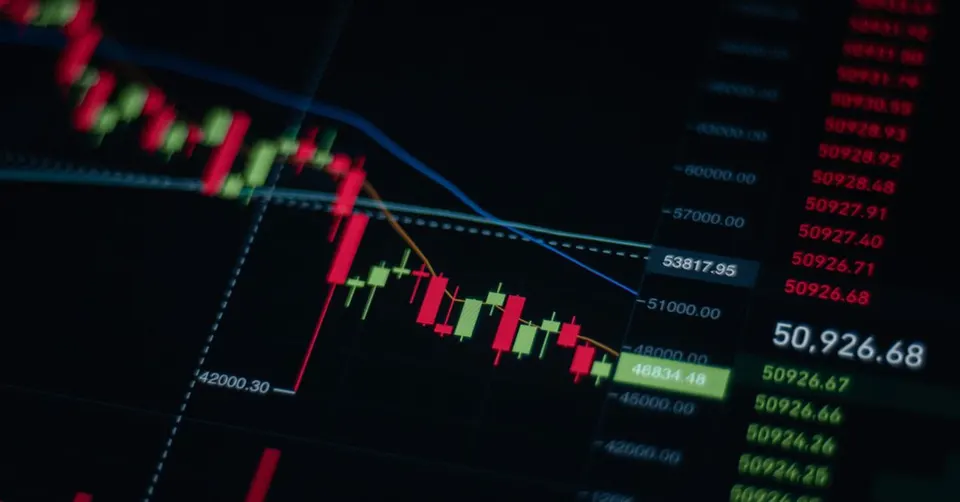
For the Iranian economy, the news provided a moment of relative calm. In the Tehran market, the USD/IRR exchange rate moved from 159,750 to 159,150, representing a 0.4% decrease in the value of the dollar against the Rial. Meanwhile, gold prices showed a slight divergence; Gold 18k/gram rose from 16,058,451 to 16,121,012 (+0.4%). This market behavior suggests that while the currency is benefiting from the easing of sanctions, domestic investors remain cautious, continuing to hold gold as a hedge against the inherent uncertainty of a "temporary" 60-day negotiation window. For global industries, the impact is equally stark; U.S. airlines are projected to save nearly $40 billion in fuel costs if these lower prices hold.
Global Accountability: Corruption and Cybercrime
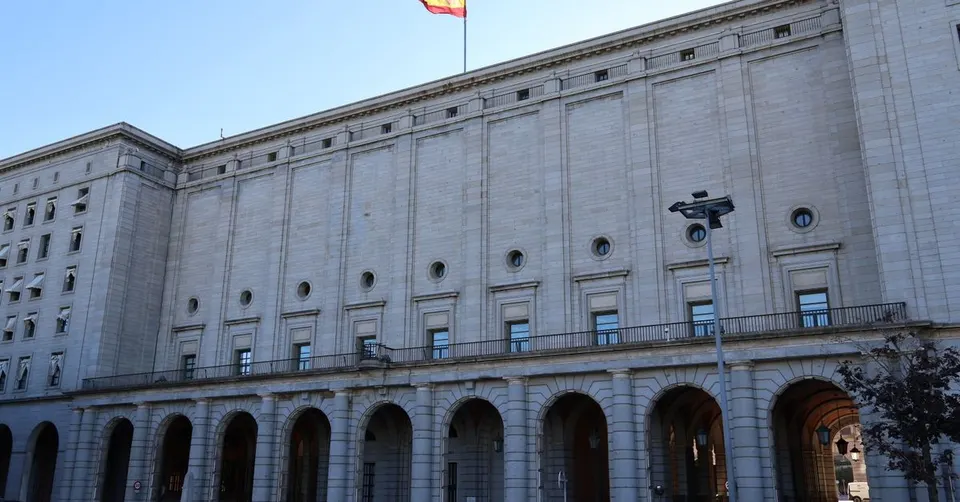
While the world watches the US-Iran diplomatic dance, significant legal developments in Europe and the UK are highlighting a global crackdown on corruption and digital crime. In Spain, the Supreme Court has sentenced José Luis Ábalos, the former right-hand man to Prime Minister Pedro Sánchez, to 24 years in prison. The conviction stems from bribes taken on public contracts for medical equipment during the peak of the Covid-19 pandemic. This sentencing is a massive blow to the current Spanish administration, signaling that the legal system is increasingly unwilling to overlook the exploitation of public health crises for private gain.
Simultaneously, in London, two young British cybercriminals linked to the notorious "Scattered Spider" hacking group have pleaded guilty to a massive 2024 attack on Transport for London (TfL). The breach, which cost the city roughly £39 million and compromised the data of 10 million people, serves as a grim reminder of the vulnerability of critical urban infrastructure. As these individuals face sentencing, the case highlights the growing technical sophistication of decentralized hacking groups and the immense financial burden they place on public services, mirroring the types of digital threats that Iranian infrastructure has also frequently navigated in recent years.
Frequently Asked Questions
Why did global oil prices drop to a 16-week low today?
What is the 'vandals' controversy involving Donald Trump?
How did the Iranian market react to the sanctions news?
The Global Reach of Oil Sanctions: Understanding Their Economic Impact
Economic sanctions are powerful foreign policy tools, essentially coercive measures taken by one or more countries against another to influence its behavior. These can range from trade restrictions and financial penalties to travel bans. The primary goal is often to pressure a target country into complying with international norms, altering specific policies, or abandoning certain activities, such as nuclear proliferation or support for terrorism. While sanctions aim to be non-military, their economic bite can be severe, impacting a nation's ability to trade, access international finance, and sustain its economy.
Among the most potent forms of economic sanctions are those targeting a country's oil sector. For many nations, oil exports represent a significant, if not primary, source of government revenue and foreign currency reserves. By restricting a country's ability to sell its oil on the global market, oil sanctions directly starve its treasury, making it difficult to fund public services, military operations, or even essential imports. This direct financial pressure is why a pause or lifting of such sanctions can have immediate and dramatic effects on the target country's economic outlook.
The impact of oil sanctions, or their modification, extends far beyond the sanctioned nation itself, rippling through global energy markets. When sanctions are imposed, the supply of oil from the targeted country is reduced, potentially leading to higher global oil prices as overall supply tightens. Conversely, a pause or lifting of sanctions, as alluded to in the headline, means more oil can enter the market. This increase in supply tends to push global oil prices downwards, benefiting importing countries and consumers but potentially hurting other oil-exporting nations.
For a country like Iran, whose economy is heavily reliant on oil exports, sanctions have historically led to significant economic hardship. Reduced oil revenue can trigger currency depreciation (impacting the USD/IRR exchange rate), rampant inflation, and a decline in living standards. The prospect of easing sanctions often becomes a major bargaining chip in international negotiations, such as those concerning nuclear inspections, demonstrating how economic pressure is intricately linked to diplomatic leverage and geopolitical strategy.
Topics
Related Articles