US Eases Oil Sanctions Amid Nuclear Inspection Dispute; Gold Edges Up as Markets Weigh Diplomacy
کاهش تحریمهای نفتی آمریکا همزمان با اختلاف بر سر بازرسیهای هستهای؛ نوسان مثبت طلا در سایه دیپلماسی
The United States has signaled a softening of oil sanctions following claims by VP JD Vance regarding nuclear inspection breakthroughs, though Tehran remains cautious. Meanwhile, energy markets brace for a potential flood of crude oil while gold prices in Iran see a modest 0.5% gain.
At time of publishing
USD
159,650
Toman
Gold 18K
16.13M
Toman / gram
Bitcoin
$64,535
US Dollar
Tether
160,287
Toman
The Sanctions Seesaw: US Eases Oil Restrictions Amid Diplomatic Fog
Vice President JD Vance announced today that the United States is moving to ease certain sanctions on Iranian oil exports, a move linked to what he described as a breakthrough in nuclear oversight. According to the Vice President, Tehran has agreed to invite UN nuclear inspectors back into the country, potentially reviving a level of transparency not seen since the 2018 withdrawal from the nuclear deal. This gesture from Washington aims to stabilize regional energy flows and provide a cooling period for the global economy, which has been under significant pressure due to shipping disruptions. The announcement suggests a strategic shift in the Trump administration's approach, prioritizing market stability over maximum pressure in the short term. However, the narrative from Tehran remains significantly more reserved and skeptical. Iranian officials have pushed back against the American framing, stating that "no new commitments" have been made beyond existing frameworks and that any return of inspectors is contingent on tangible, verified sanctions relief. This discrepancy suggests that while a 60-day roadmap is in play, the technical details of what inspectors can see—and what exactly "easing" sanctions means for the Central Bank—remain a point of intense friction. For the Iranian market, this news has kept the US Dollar relatively stable, moving from 159,750 to 159,650 Toman, a minor 0.1% decrease as traders wait for concrete proof of sanctions relief before committing to a direction.

The Looming Oil Flood: Markets Brace for Supply Re-entry
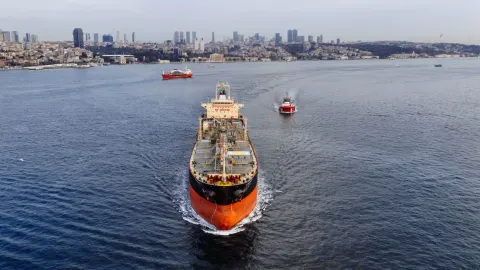
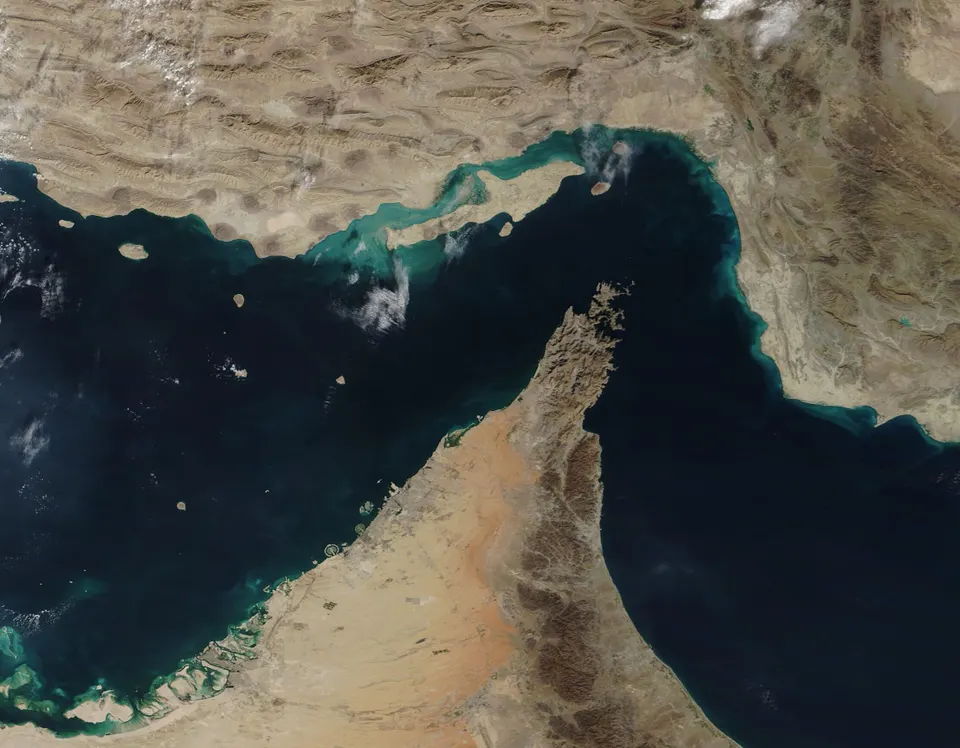
Despite the diplomatic overtures, energy analysts warn that the global oil crisis is far from over. Reports suggest that millions of barrels of crude oil are already lined up to enter the market should the US-Iran ceasefire and the subsequent Memorandum of Understanding (MOU) hold. This potential surge in supply comes at a critical time when global strategic inventories are at historic lows due to the recent suspension of tanker traffic through the Strait of Hormuz. The market is currently caught between the fear of a supply glut that could crash prices and the reality of depleted reserves that have acted as a buffer during months of intense geopolitical tension. What this means for the global consumer is a volatile pricing environment that defies traditional forecasting. While the promise of Iranian crude hitting the water might suggest a price drop, the "energy cliff" remains a threat if the MOU fails to secure long-term shipping safety. In Iran, the local gold market has already reacted to this uncertainty; Gold 18k per gram rose from 16,058,451 to 16,133,708 Toman, a 0.5% increase. This reflects a hedge by local investors who see the current diplomatic thaw as a fragile window rather than a permanent solution. The Emami coin remained steady at 163,500,000 Toman, indicating that while there is optimism, it is heavily tempered by the memory of previous failed agreements.
Beyond Growth: Wall Street’s Contrarian Shift and the Trump-Starmer Friction
On the global stage, a significant shift is occurring in investment sentiment as Wall Street begins to look past traditional growth stocks. While Elon Musk continues to make headlines with ambitious $1 trillion predictions for SpaceX, contrarian investors are increasingly pivoting toward out-of-favor value plays. This shift is driven by a growing realization that the high-interest-rate environment and regulatory hurdles are making growth-at-all-costs models less sustainable. Even tech giants are feeling the heat, as seen with Anthropic’s Claude AI now requiring identity verification for certain users, signaling a new era of digital friction that could dampen the "move fast and break things" era of Silicon Valley and impact tech valuations globally. Simultaneously, the geopolitical landscape is being reshaped by the complex relationship between the UK and the US. Prime Minister Keir Starmer’s premiership has been increasingly defined by tensions with the Trump administration, highlighting a broader trend of traditional alliances being tested by populist shifts. For the Iranian observer, these cracks in the Western front are crucial; they dictate the speed and efficacy of international sanctions regimes and the likelihood of a unified stance on Middle Eastern security. As the UK faces extreme heat warnings and domestic rail disruptions, its ability to project power abroad is being further constrained, leaving more room for regional players to negotiate directly with Washington without the usual European mediation.
Watch
Vance says Iran will allow IAEA nuclear inspectors as U.S. deal talks continue
CBS News
Frequently Asked Questions
Why is the US easing oil sanctions now?
Did Iran officially agree to new nuclear commitments?
How did the Iranian gold and currency markets react to the news?
Understanding U.S. Secondary Sanctions on Iran’s Oil
When the United States imposes sanctions on a country, it can do so directly—targeting that nation’s own banks, companies, and officials—or indirectly, by penalising any foreign entity that does business with the sanctioned party. The latter are known as secondary sanctions. Unlike primary sanctions, which only restrict U.S. persons, secondary sanctions extend the reach of U.S. law to non‑U.S. banks, insurers, ship owners, and even sovereign wealth funds, threatening them with loss of access to the U.S. financial system if they continue to facilitate prohibited transactions.
In the case of Iran’s oil sector, secondary sanctions have been a pivotal tool since the early 2000s. By designating Iran’s state oil company and its subsidiaries as Specially Designated Nationals (SDNs), the Treasury’s Office of Foreign Assets Control (OFAC) forces any non‑U.S. bank that processes payments for Iranian crude to choose between Iran and the lucrative U.S. market. The result is a dramatic contraction of Iran’s ability to sell oil on the open market, pushing its exports into clandestine channels, often at steep discounts. This pressure feeds directly into the country’s exchange rate dynamics, as the scarcity of hard currency forces the rial (IRR) to depreciate against the dollar.
The ripple effects reach beyond oil. When sanctions choke off oil revenues, Iran’s central bank may turn to alternative stores of value—most notably gold. Gold prices tend to rise in periods of geopolitical tension and currency instability, providing a hedge for both the Iranian government and its citizens. Consequently, news of a potential easing of oil sanctions, such as the 2026 diplomatic move tied to nuclear inspections, often triggers a modest pull‑back in gold prices, while the rial can experience a short‑term rally against the dollar.
Secondary sanctions also shape global shipping routes. The Strait of Hormuz, through which roughly a fifth of the world’s oil passes, becomes a flashpoint when sanctions threaten the insurance and financing of vessels that transit the chokepoint. Companies fearing secondary penalties may avoid the strait altogether, amplifying the risk of a supply shock. Understanding how secondary sanctions operate therefore illuminates why diplomatic negotiations—whether led by JD Vance, Keir Starmer, or any other political figure—are closely watched by markets, especially value‑oriented investors on Wall Street who weigh the balance between risk and return.
For students of international economics, secondary sanctions illustrate a powerful blend of law, finance, and geopolitics. They show how a single policy lever can influence exchange rates, commodity prices, shipping logistics, and even the strategic calculations of major powers. Grasping this concept equips you to decode future headlines about sanctions, diplomacy, and market movements.
Topics
Related Articles