From Hormuz Traffic to Fertilizer Crises: How Regional Tensions Reshape Global Food and Local Markets
از ترافیک هرمز تا بحران کود شیمیایی؛ سایه تنشهای منطقهای بر امنیت غذایی و بازار تهران
As the Strait of Hormuz tentatively reopens to commercial traffic following a US-Iran memorandum, the global agricultural sector remains haunted by high input costs. Meanwhile, Tehran's refusal of IAEA inspections for damaged sites adds a layer of caution to an otherwise optimistic market shift.
At time of publishing
USD
160,850
Toman
Gold 18K
15.98M
Toman / gram
Bitcoin
$62,356
US Dollar
Tether
161,501
Toman
The Lingering Agricultural Cost of Regional Conflict
While diplomatic breakthroughs often dominate headlines, the real-world impact of the recent regional tensions is being felt most acutely in the soil of developing nations. Reports indicate that farmers in countries like Ivory Coast are facing a persistent threat to their livelihoods due to the soaring prices of fertilizer, food, and fuel. Even as shipping lanes in the Persian Gulf show signs of life, the structural damage to global supply chains—specifically the production of ammonia-based fertilizers which rely heavily on stable natural gas supplies—remains unaddressed. This ripple effect means that even a total cessation of hostilities would not immediately lower the cost of bread or produce in the Global South.
For the Iranian reader, this global context is a reminder that domestic inflation is not an isolated phenomenon. The interconnectedness of energy markets and agricultural inputs means that as long as the regional security architecture remains fragile, the cost of living will face upward pressure. The "war premium" on shipping insurance and the logistical hurdles created over the past months have embedded a higher floor for commodity prices that could take years to normalize, regardless of the immediate political climate in Tehran or Washington.
---
Tankers Emerge from 'Dark Mode' as Hormuz Traffic Surges
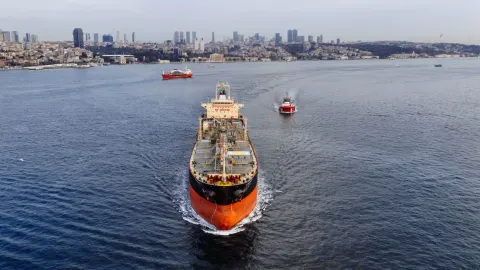
In a significant shift for global energy logistics, dozens of ships have begun transiting the Strait of Hormuz following the tentative US-Iran deal. On Saturday alone, 42 ships were recorded passing through the waterway, a volume not seen in months. Perhaps more telling is the behavior of oil tankers; many have reportedly switched on their AIS transponders, emerging from the "dark mode" that had become standard practice to evade detection and reduce the risk of targeted strikes. This transparency is a clear signal of cooling tensions, as maritime operators feel confident enough to broadcast their positions to the world once again.
This reopening is a double-edged sword for the Iranian economy. On one hand, the ease of transport facilitates more predictable oil exports and reduces the massive costs associated with clandestine shipping operations. On the other hand, a surge in global supply could put downward pressure on oil prices, potentially offsetting the gains from increased volume. Locally, the USD/IRR exchange rate reflects this tug-of-war, moving from 159,850 to 160,850 (+0.6%) as traders weigh the benefits of increased trade against the underlying demand for hard currency in a still-uncertain regulatory environment.
---
Nuclear Deadlock and the Market's Cautious Stance
Despite the positive momentum in shipping, the diplomatic front hit a familiar roadblock today. Foreign Ministry spokesperson Esmail Baqaei stated that Iran has no plans to allow IAEA inspections of nuclear facilities damaged in recent attacks. This refusal to grant access to the International Atomic Energy Agency (IAEA) complicates the narrative of a smooth reconciliation with Western powers. By rejecting reports of a framework for inspections, Tehran is asserting its sovereignty over sensitive sites, but this stance also keeps the threat of renewed sanctions or diplomatic isolation on the table.
This geopolitical friction is mirrored in the local gold and coin markets. Gold 18k/gram moved from 16,133,708 to 15,975,114 (-1.0%), while the Emami coin saw a slight dip from 163,500,000 to 163,000,000 (-0.3%). This cooling off suggests that while the currency is under slight pressure, the "fear factor" in gold is receding as investors move back into more liquid assets or wait for a clearer signal from the IAEA-Tehran standoff. The market is currently in a 'wait-and-see' mode, balancing the reality of physical trade reopening against the persistent technical and political hurdles of the nuclear file.
---
Crypto Turmoil: Ethereum Foundation Cuts and Tech Volatility
While traditional markets in Tehran focus on regional diplomacy, the digital asset space is undergoing its own structural reset. Vitalik Buterin announced that the Ethereum Foundation will cut its budget by 40% following the resignation of several senior figures. This internal turmoil, combined with a broader shift of capital from crypto into AI sectors, has kept Bitcoin struggling to maintain its $62,000 support level. The recent SpaceX valuation wipeout has also rattled tech-heavy portfolios, creating a correlation between traditional aerospace volatility and digital currency sell-offs.
For Iranian crypto traders, the Tether (USDT) price remains the most critical metric, currently sitting at 161,501 Toman. The divergence between BTC's global price and the local USDT/Toman rate highlights the persistent demand for stablecoins as a hedge against domestic currency fluctuations. As the Ethereum Foundation undergoes its "major reset," the broader crypto market is searching for a bottom, influenced by a hawkish Federal Reserve and the ongoing drainage of liquidity toward the artificial intelligence boom.
Frequently Asked Questions
Why is the reopening of the Strait of Hormuz not immediately lowering food prices?
What does 'dark mode' mean for oil tankers in the Persian Gulf?
How is the IAEA inspection refusal affecting the Iranian Rial?
Why is the Ethereum Foundation cutting its budget by 40%?
The Strategic Significance of Geopolitical Chokepoints
Geopolitical chokepoints are narrow, strategically vital passages—whether land or sea—that are indispensable for global trade and transportation. Their inherent vulnerability to political instability, regional conflicts, or even natural disasters means that any disruption can send ripple effects through international supply chains. Understanding these chokepoints is crucial for grasping how localized tensions can quickly escalate into global economic challenges. The Strait of Hormuz stands as a quintessential example of such a critical maritime passage.
Located between the Persian Gulf and the Gulf of Oman, the Strait of Hormuz is arguably the world's most important oil transit chokepoint. A significant portion of the world's seaborne oil and liquefied natural gas (LNG) passes through this narrow waterway daily. Consequently, any heightened regional tensions, such as those involving Iran and international powers, or disputes surrounding nuclear agreements and inspections, directly threaten this vital flow. The mere threat of disruption can cause global energy prices to spike, affecting economies worldwide.
The economic consequences of such disruptions are far-reaching. Elevated energy prices, driven by instability in chokepoints like Hormuz, directly impact various industries, including agriculture. Energy is a major input for the production of fertilizers, as well as for their transportation across continents. When energy costs surge, so does the cost of fertilizer, potentially leading to a "fertilizer crisis" that threatens global food security by making food production more expensive and less accessible.
Beyond global commodity markets, regional tensions around chokepoints also destabilize local economies. In countries directly affected, such instability can lead to significant fluctuations in currency exchange rates, like the USD/IRR, and drive up prices for safe-haven assets such as gold in Tehran. Furthermore, the need to navigate sanctions or heightened risks can lead to practices like "oil tanker dark mode," where vessels turn off their tracking systems, increasing the opacity and inherent dangers in global shipping and trade.
Topics
Related Articles