Trump Claims Nuclear Breakthrough as Iran and Oman Take Control of the Strait of Hormuz
ادعای ترامپ درباره توافق هستهای همزمان با طرح جدید ایران و عمان برای مدیریت تنگه هرمز
Donald Trump claims Tehran has agreed to long-term nuclear inspections while Iran and Oman move to jointly manage the Strait of Hormuz. Despite the diplomatic noise, the Iranian Toman fell 0.9% as markets remain skeptical of the proposed 'nuclear honesty'.
At time of publishing
USD
161,350
Toman
Gold 18K
15.99M
Toman / gram
Bitcoin
$62,517
US Dollar
Tether
163,456
Toman
The 'Nuclear Honesty' Gambit and Regional Diplomacy
In a move that has sent shockwaves through diplomatic circles, Donald Trump has claimed that Tehran has committed to what he calls 'nuclear honesty,' allegedly agreeing to international inspections that would stretch 'long into the future.' This announcement comes as Marco Rubio and JD Vance engage in high-level calls with Lebanon’s presidency, signaling a coordinated effort by the Trump administration to bypass traditional multilateral channels and secure a regional grand bargain. While the rhetoric is bold, the reaction on the ground in Tehran suggests a 'wait-and-see' approach rather than immediate relief. The US-Iran dynamic is being further complicated by domestic critiques, with figures like Jon Stewart pointing out the absurdity of the shifting alliances and the transactional nature of the proposed peace deals. For the Iranian market, this diplomatic noise has not yet translated into the expected currency appreciation. In fact, the USD/IRR exchange rate moved from 159,850 to 161,350, marking a 0.9% increase in the value of the dollar over the last 24 hours. This suggests that traders are pricing in the risk that these claims might be more about US electoral posturing than a finalized, durable agreement. The market is wary of 'headline fatigue,' where repeated claims of breakthroughs fail to produce concrete sanctions relief or a return to the SWIFT banking system.
A New Era for the Strait of Hormuz
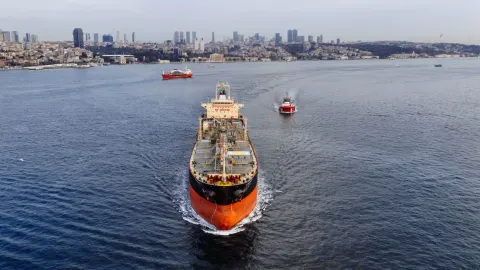
While the nuclear headlines grab the attention of the West, a more concrete development is unfolding in the Persian Gulf. Iran and Oman have officially agreed to form a joint committee for the 'administration of navigation in the Strait of Hormuz.' This agreement is significant because it moves the management of the world’s most critical oil chokepoint from a purely military or unilateral stance toward a bilateral administrative framework. The committee will oversee navigation services and associated costs, effectively institutionalizing the cooperation between the two nations that share the waterway. This move is likely intended to demonstrate that regional powers can manage their own security and trade without external interference, a key pillar of Tehran’s long-term foreign policy.
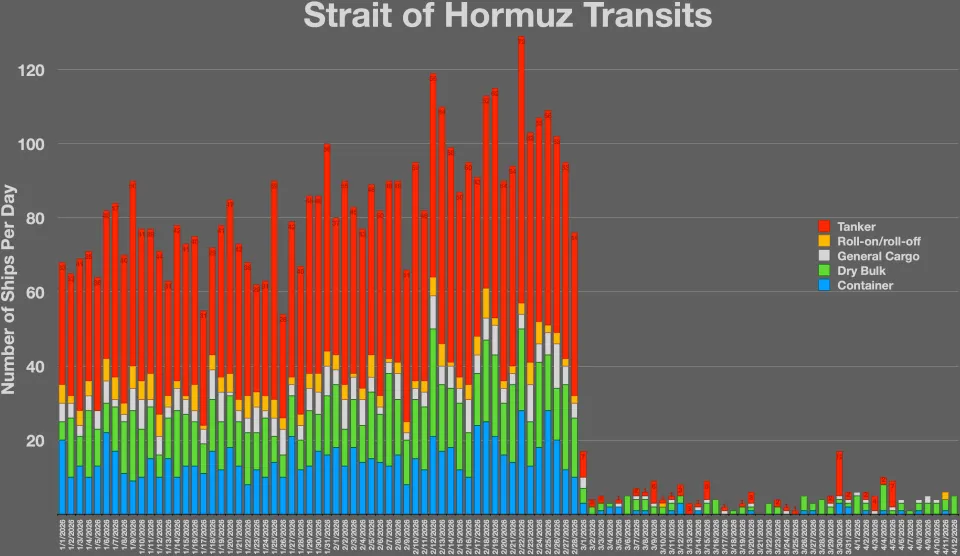
From an economic standpoint, this partnership could lead to new fee structures for vessels passing through the strait, potentially creating a new revenue stream for the coastal states. However, it also raises questions for international shipping companies who must now navigate a new set of administrative requirements. For Iranian readers, the stability of the Strait is directly tied to the country's ability to export oil under the current 60-day sanctions waiver. If this joint committee can reduce regional friction, it may provide a much-needed ceiling for the rising cost of maritime insurance, which indirectly impacts the price of imported goods in Iran.
The Grey Horizon: Retirement at 70 and the Post-Truth World
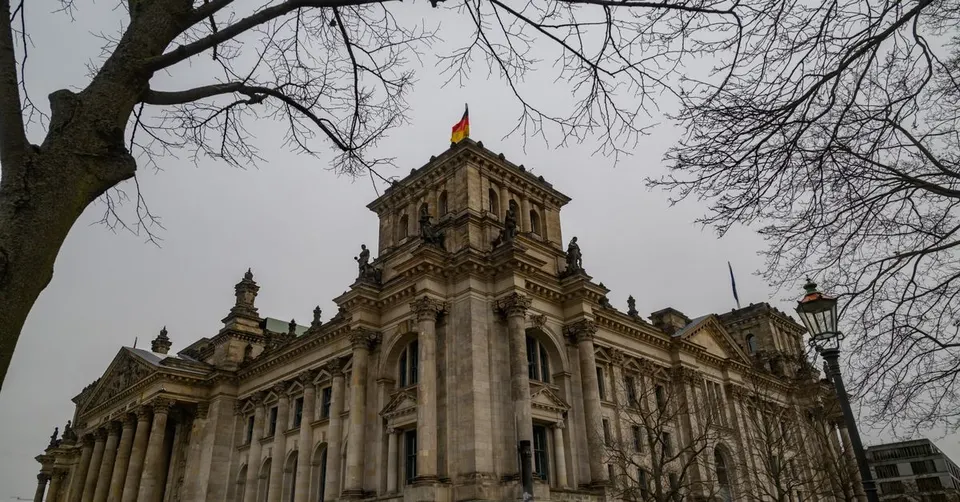
Beyond the Middle East, the global economic landscape is shifting as Western nations grapple with aging populations and the legacy of past political upheavals. In Germany, Chancellor Friedrich Merz has backed a controversial proposal to raise the retirement age to 70 by the early 2090s. This move, aimed at future-proofing the pension system, reflects a growing realization across Europe that the current social contract is unsustainable. As Germany—Europe's economic engine—tightens its belt, the ripple effects will be felt in global trade and investment flows, potentially dampening the appetite for emerging market debt.
Simultaneously, the 10th anniversary of the Brexit vote has sparked a deep reflection on the 'post-truth' era. Columnists like Rafael Behr are noting that the fragmentation of information, accelerated by AI and social media, has fundamentally altered how citizens judge authority. This 'crisis of truth' is not just a philosophical problem; it has real-world consequences for markets. When investors cannot distinguish between a genuine diplomatic breakthrough and a strategic social media leak, volatility becomes the only constant. This is evident in the current gold market, where Gold 18k/gram fell from 16,133,708 to 15,994,274 (-0.9%), showing that even traditional safe havens are being sold off as investors move toward the liquidity of the dollar amid global uncertainty.
Individual Rights and Institutional Power
In a landmark ruling that highlights the ongoing tension between individual liberties and state authority, the US Supreme Court has ruled that a Rastafarian man cannot sue prison guards who forcibly cut his dreadlocks. While seemingly disconnected from global finance, such rulings are part of a broader trend of institutional consolidation. In the digital age, where personal identity and religious expression are increasingly monitored, the legal boundaries of the state’s power over the individual remain a central point of conflict. For those in the technology and crypto sectors, these precedents are closely watched as they often signal how courts might treat individual rights in the face of centralized digital surveillance or state-mandated financial controls.
Frequently Asked Questions
What is the significance of the Iran-Oman joint committee for the Strait of Hormuz?
Why did the USD/IRR exchange rate rise despite Trump's claims of a nuclear deal?
How does Germany's proposed retirement age hike affect global markets?
The Strategic Importance of the Strait of Hormuz
The Strait of Hormuz is one of the world's most critical maritime chokepoints, a narrow sea lane connecting the Persian Gulf to the Arabian Sea and the broader Indian Ocean. Geographically, it is bordered by Iran to the north and Oman's Musandam Governorate to the south. Despite its relatively small size—only about 21 miles (33 km) wide at its narrowest point—its strategic significance is immense, primarily due to the vast quantities of oil and natural gas that transit through it daily.
This strait is a vital artery for global energy markets, with an estimated one-fifth of the world's total petroleum consumption, and a quarter of the world's liquefied natural gas (LNG), passing through its waters. Major oil producers like Saudi Arabia, Iran, Iraq, Kuwait, Qatar, and the UAE rely heavily on the Strait of Hormuz for their exports. Any disruption or threat to shipping in this strait can cause immediate and significant volatility in global oil prices, impacting economies worldwide.
Given its strategic importance, control or even influence over the Strait of Hormuz is a constant point of geopolitical tension. Nations bordering the strait, particularly Iran and Oman, play a crucial role in its security and navigation. International law dictates freedom of navigation, but regional powers can exert influence through various means, from diplomatic agreements to naval presence. The headline's mention of Iran and Oman taking control highlights the ongoing regional dynamics and the potential for shifts in managing this critical waterway, which has profound implications for global energy security and international relations.
Understanding the Strait of Hormuz is key to comprehending not only regional conflicts but also global economic stability. Events here can directly affect international trade, energy prices, and even currency exchange rates like the USD/IRR, as the stability of oil exports is crucial for Iran's economy, especially under sanctions. Its status as a chokepoint makes it a focal point for international diplomacy and military strategy.