Rubio Challenges Hormuz Tolls as US Lifts Oil Sanctions; Toman Slips 1.3% Amid Regional Rebalancing
چالش حق عبور در هرمز و لغو موقت تحریمهای نفتی؛ افزایش ۱.۳ درصدی دلار در بازار تهران
US Secretary of State Marco Rubio arrives in the Gulf to reject Iran's proposed Strait of Hormuz tolls, while the Trump administration issues a temporary oil sanction waiver. In Tehran, the US Dollar rose 1.3% to 161,850 Toman as markets react to the shifting diplomatic landscape.
At time of publishing
USD
161,850
Toman
Gold 18K
15.97M
Toman / gram
Bitcoin
$62,342
US Dollar
Tether
162,911
Toman
The Battle for the Strait: Rubio Rejects Iran’s Toll Proposals
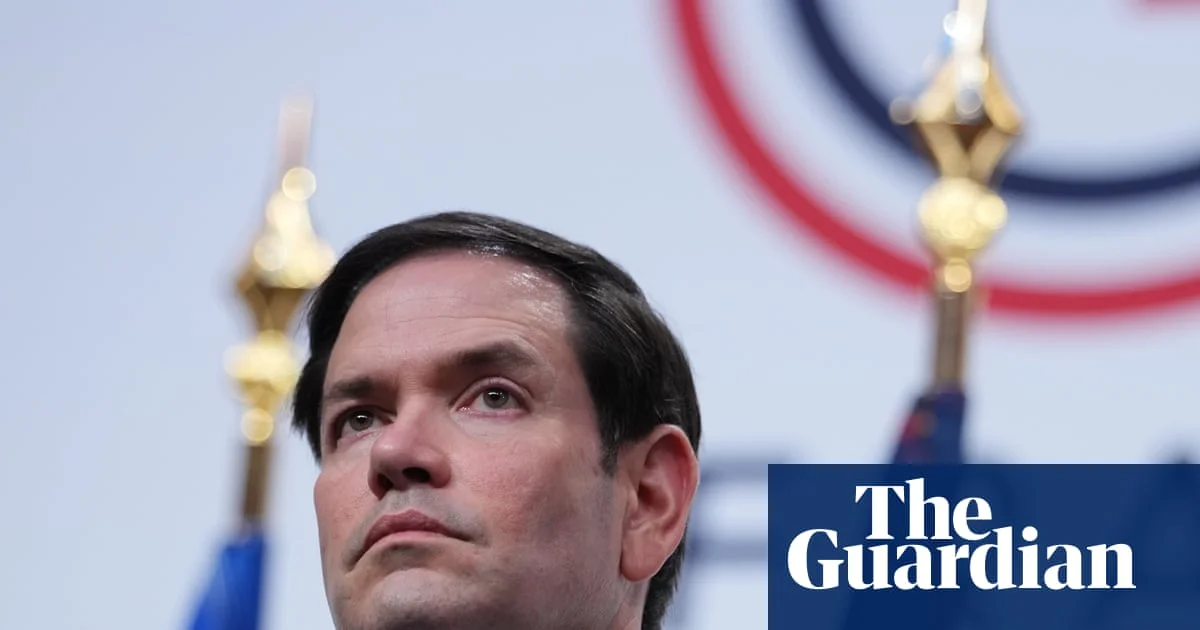
As the clock struck 23:00 in Tehran, the geopolitical temperature in the Persian Gulf reached a new peak. US Secretary of State Marco Rubio, arriving in Bahrain for a high-stakes summit with Gulf allies, has explicitly dismissed Tehran’s recent suggestions of charging tolls for shipping through the Strait of Hormuz. Rubio’s visit to the UAE, Kuwait, and Bahrain is a strategic maneuver designed to reassure regional partners that the recent 60-day ceasefire deal between Washington and Tehran does not signal a US retreat. He emphasized that the Strait remains an international waterway subject to international law, effectively drawing a line in the sand against any Iranian attempt to monetize the world’s most vital energy artery. For the Iranian economy, this rhetorical clash is a double-edged sword. While the rhetoric is sharp, the underlying diplomatic movement suggests a period of intense negotiation rather than immediate conflict. However, the uncertainty regarding the legal status of the Strait has already begun to ripple through the local markets. In Tehran, the US Dollar moved from 159,850 to 161,850 Toman, marking a 1.3% increase over the last 24 hours. This rise reflects a cautious sentiment among traders who fear that any friction in the Strait could lead to renewed maritime tensions, despite the current ceasefire framework.

A Temporary Thaw: Trump Administration Lifts Oil Sanctions
In a move that surprised many observers given the administration’s usual hawkish stance, President Trump and Vice President JD Vance have announced a temporary lifting of oil sanctions against Iran. This decision is being framed as a reward for what the White House calls "productive" progress on the nuclear front. While Tehran has been quick to downplay the significance, stating that "no new commitments" have been made, the practical reality is that Iranian crude is legally entering the global market in larger volumes for the time being. This policy shift is intended to provide breathing room for the 60-day ceasefire to transition into a more permanent arrangement. Despite this potential influx of petrodollars, the domestic gold market in Iran saw a slight cooling. Gold 18k per gram moved from 16,133,708 to 15,965,880 Toman, a decrease of 1.0%. Similarly, the Emami coin dipped from 163,500,000 to 163,000,000 Toman (-0.3%). This divergence between the rising dollar and falling gold suggests that while currency speculators are hedging against geopolitical risk, the physical gold market is reacting to a global stabilization in prices and a potential easing of the immediate economic siege on Iran’s energy sector.

Tech and Crypto: Tesla’s Regulatory Crisis and Bitcoin’s Sideways Slide
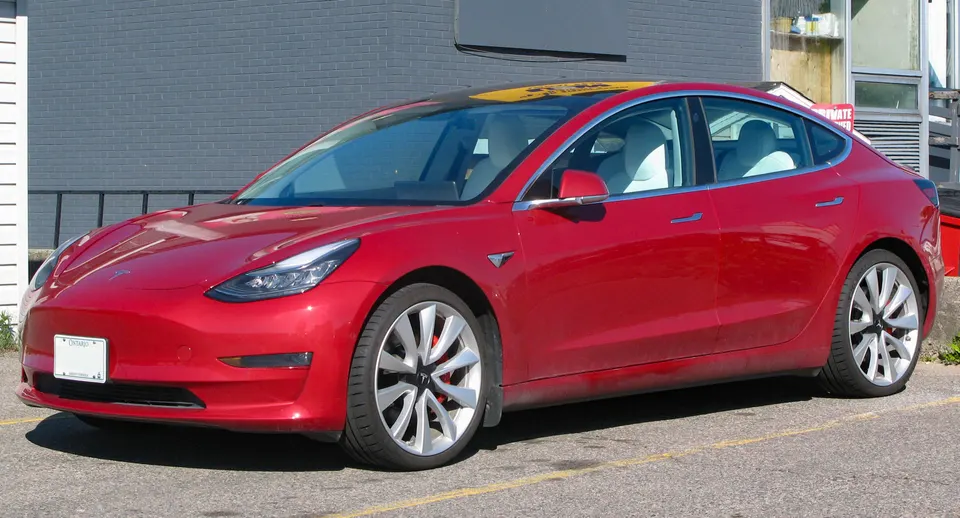
Away from the Persian Gulf, the technology sector is facing its own set of tremors. US auto regulators have launched a major investigation into a fatal Tesla crash in Texas involving a vehicle using automated driving features. This comes at a sensitive time for Elon Musk, as his companies face a broader market correction; SpaceX, which recently dominated headlines, is now grappling with what analysts call a "retail bear market." The investigation into Tesla’s Model 3 crash near Houston could have profound implications for the future of autonomous driving regulations, potentially delaying the rollout of the very technology Musk has staked his company’s valuation on. In the cryptocurrency world, Bitcoin continues to struggle for momentum, currently trading at $62,342. The market is characterized by a "waiting game" as investors look toward upcoming PCE inflation data and a massive $10.6 billion options expiry. Multi-year Bitcoin holders have significantly slowed their selling, reaching a 19-month low, which often signals a market bottom is near. However, with massive ETF outflows persisting, the short-term outlook remains murky. For Iranian crypto enthusiasts, the stability of Tether (USDT) at 162,911 Toman remains the primary focus, serving as a vital bridge for capital preservation as the local Rial continues its volatile dance with global policy shifts.
Frequently Asked Questions
Why is Marco Rubio opposing tolls in the Strait of Hormuz?
What does the temporary lifting of oil sanctions mean for Iran's economy?
How is the Tesla investigation affecting the tech market?
The Geopolitical and Economic Significance of the Strait of Hormuz
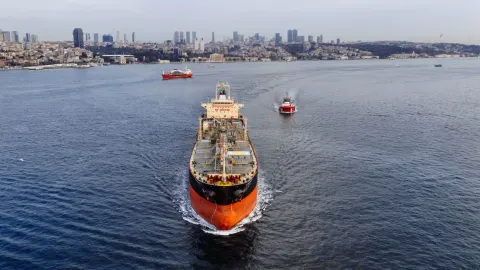
The Strait of Hormuz is a narrow, strategically vital waterway connecting the Persian Gulf to the Arabian Sea and the open ocean. Just 21 nautical miles (39 kilometers) wide at its narrowest point, it serves as the sole maritime passage for a significant portion of the world's crude oil and liquefied natural gas (LNG) exports. Its unique geography—flanked by Iran to the north and Oman's Musandam Peninsula to the south—makes it an indispensable choke point for global energy markets, through which an estimated 20-30% of the world's total oil supply passes daily.
This geographical bottleneck makes the Strait of Hormuz immensely important for both oil-producing nations in the Persian Gulf (such as Saudi Arabia, Iraq, UAE, Kuwait, and Iran) and major energy-consuming economies worldwide. Any disruption, whether from geopolitical tensions, military conflict, or even the imposition of transit 'tolls' or blockades, has the potential to send shockwaves through global oil prices, impacting everything from transportation costs to manufacturing and consumer spending. The lack of viable alternative pipeline routes for the vast majority of oil exports further amplifies its strategic value.
Iran, bordering the Strait, has historically leveraged its geographical position as a point of strategic influence, occasionally issuing threats to restrict or close the waterway in response to international pressure or sanctions. Such threats, even if not fully realized, introduce significant uncertainty into global energy markets and contribute to risk premiums on oil prices. The mere possibility of disruption underscores the Strait's role as a flashpoint in international relations and a critical component of global energy security.
The interplay between international sanctions, such as those historically imposed on Iran's oil sector, and the dynamics of the Strait of Hormuz is profound. When sanctions are in place, they restrict Iran's ability to export its oil, often leading to a reduction in overall global supply and affecting Iran's domestic economy and currency stability, as seen with the Toman's fluctuations. Conversely, the lifting of sanctions can reintroduce Iranian oil to the market, potentially altering global supply-demand balances and influencing both oil prices and Iran's economic outlook. Understanding the Strait's enduring significance is key to grasping the complexities of Middle Eastern geopolitics and global energy economics.