Iran Dispatches Aid to Venezuela as Tehran Warns Washington Over Ceasefire Interpretations
ارسال کمکهای اضطراری ایران به ونزوئلا همزمان با هشدار تند تهران به واشنگتن درباره تفاهمنامه صلح
The Iranian Red Crescent has mobilized for Venezuela’s earthquake victims while the Foreign Ministry warns the U.S. against misinterpreting the recent MoU, causing a 0.9% uptick in USD/IRR rates.
At time of publishing
USD
166,050
Toman
Gold 18K
16.04M
Toman / gram
Bitcoin
$61,511
US Dollar
Tether
166,472
Toman
Iran Extends Humanitarian Reach to Quake-Stricken Venezuela
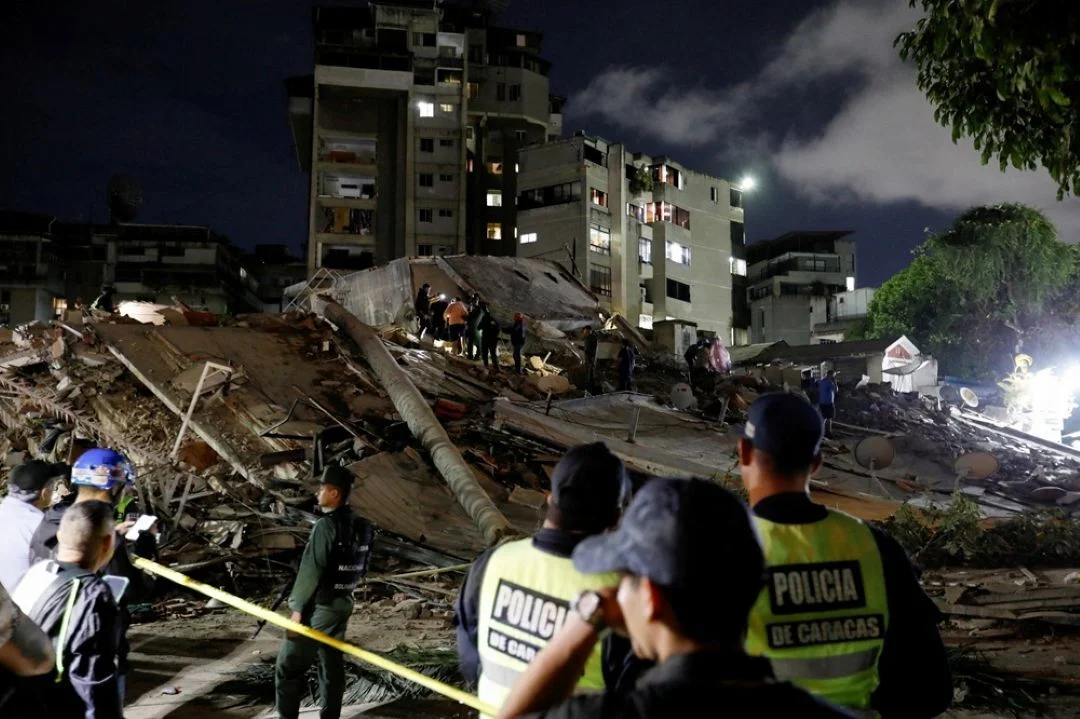
The Iranian Red Crescent Society (IRCS) has officially declared its readiness to deploy specialized medical and rescue teams to Venezuela following a devastating series of earthquakes. The seismic activity in the South American nation has claimed at least 32 lives and left hundreds more injured, prompting a swift diplomatic and humanitarian response from Tehran. This move underscores the deep strategic and ideological alliance between the two nations, often referred to as a partnership of 'sanctioned states' seeking to bypass Western isolation through mutual aid.
For the Iranian public, this humanitarian outreach is more than just a gesture of goodwill; it is a signal of Tehran's intent to maintain a high-profile presence in the Western Hemisphere. While domestic critics often question the allocation of resources abroad during economic hardship, the government views these missions as essential for maintaining its status as a regional power with global reach. The deployment of the IRCS, which has significant experience in disaster management, serves as a soft-power tool that reinforces bilateral ties with Caracas at a time when both nations are navigating complex geopolitical pressures.

Tehran Warns Washington as MoU Fragility Spikes Market Volatility
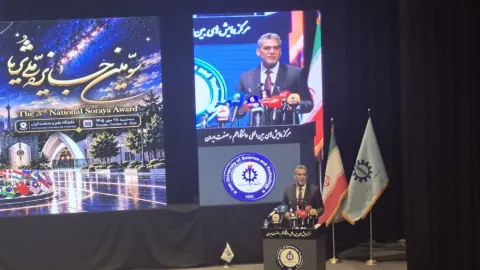
In a sharp diplomatic exchange, Iran’s Foreign Ministry spokesperson, Esmaeil Baqaei, has issued a stern warning to the United States regarding the interpretation of the recent Memorandum of Understanding (MoU) that effectively halted the latest regional escalation. Tehran accuses Washington of issuing 'contradictory statements' that undermine the spirit of the agreement. This friction comes as JD Vance, the U.S. Vice President, finds himself under intense scrutiny as the face of this beleaguered deal, which many analysts now fear is on the verge of unraveling due to internal political pressures in both capitals.
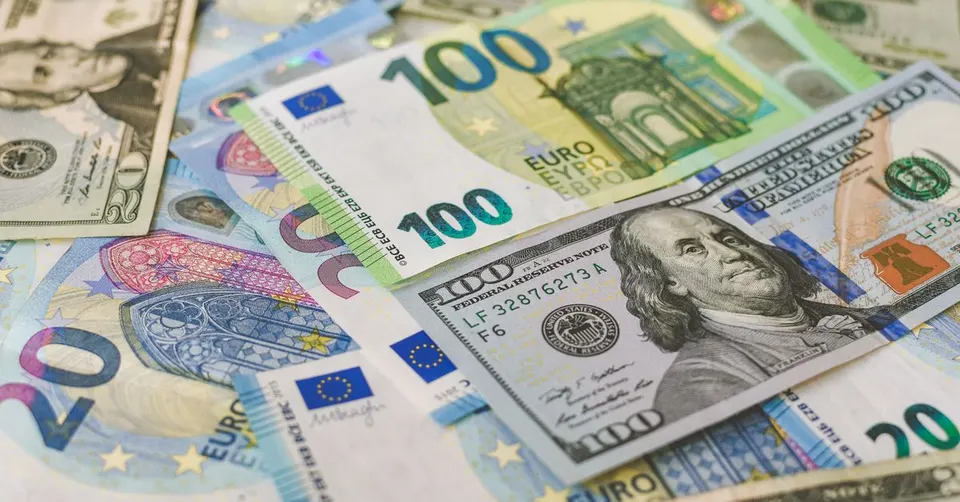
The immediate impact of this diplomatic cooling has been felt in the Tehran markets. The USD/IRR exchange rate moved from 164,650 to 166,050 Toman, marking a 0.9% increase within the last 24 hours. Traders are clearly pricing in the risk of a breakdown in the 'ceasefire' logic that had briefly stabilized the currency. If the MoU is seen as a failure, the market expects a return to aggressive sanctions enforcement, which would further squeeze Iran's foreign exchange reserves and drive the Toman to new lows against the greenback.
Global Steel Wars and the Shift in Industrial Trade
Beyond the immediate geopolitical sphere, a significant shift is occurring in global trade that could indirectly affect Iran’s industrial exports. The United Kingdom has announced it will halve the amount of tariff-free steel imports allowed into the country, a move designed to protect its local industry from a 'glut' of cheap Chinese metal. This protectionist trend, mirrored by the European Union, signals a hardening of global trade barriers. As Iran heavily relies on its economic partnership with China, any disruption in Chinese export flow or a global shift toward higher tariffs could force a reshuffling of trade routes for Iranian raw materials and metals.
This global tightening of trade coincides with oil prices retreating to pre-war levels, near $70 per barrel. While lower oil prices are a boon for major importers like India—potentially boosting their growth toward 7%—they present a fiscal challenge for Tehran. A lower price environment, combined with the 1.2% rise in domestic gold prices (now at 16,041,137 Toman per gram), suggests that Iranian investors are once again seeking refuge in hard assets as the dual pressures of lower oil revenue and rising diplomatic tension create a perfect storm of economic uncertainty.
IBM’s Chip Breakthrough: A Glimpse into the Future of Computing
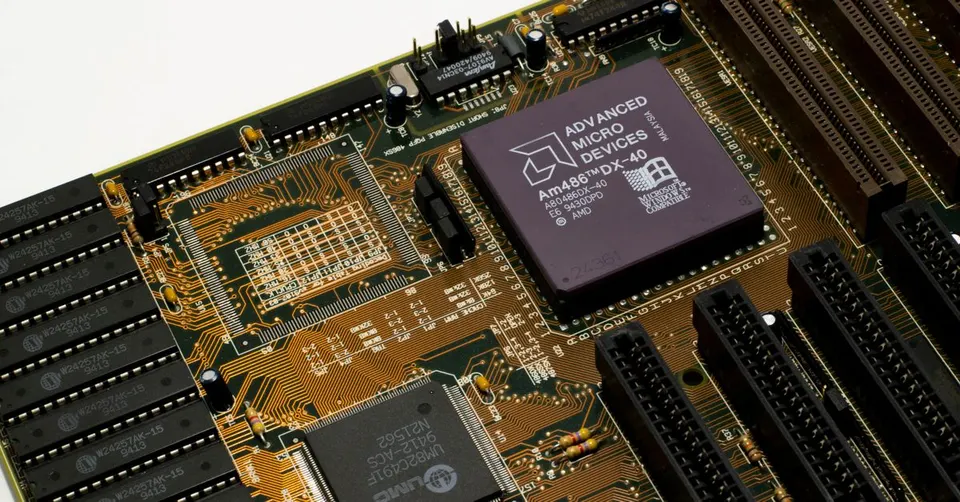
In the technology sector, IBM has announced a major breakthrough in semiconductor design, unveiling a 'block of flats' architecture for chips smaller than 1 nanometre. While this technology is still years away from mass production, it represents a fundamental shift in how computing power will be scaled in the coming decade. For emerging economies and tech hubs in the Middle East, such breakthroughs highlight the widening gap between cutting-edge innovation and the current manufacturing capabilities of most nations, emphasizing the importance of long-term investment in R&D.
This development comes as Bitcoin and the broader crypto market face significant headwinds. Bitcoin has slid to the $61,511 level as investors rotate capital into AI-linked stocks following blowout earnings from companies like Micron. For the Iranian crypto community, which has seen $3.8 billion moved through platforms like CoinEx by sanctioned entities, the combination of increased global oversight and market volatility makes the digital asset space increasingly treacherous for those seeking to hedge against the Toman’s depreciation.
Frequently Asked Questions
Why is the Iranian Red Crescent sending aid to Venezuela now?
What caused the 0.9% rise in the USD/IRR rate today?
How do lower oil prices affect the Iranian economy in mid-2026?
What is the significance of IBM's new chip architecture?
Understanding Economic Sanctions: A Tool of Geopolitics
Economic sanctions are punitive measures imposed by one country or a group of countries on another. They are typically used as a foreign policy tool, short of military intervention, to compel a target nation to change specific behaviors, such as nuclear proliferation, human rights abuses, or support for terrorism. Sanctions can also aim to weaken a target's economic capacity or political stability, serving as a powerful lever in international diplomacy without resorting to direct military conflict.
Sanctions come in various forms, ranging from comprehensive embargoes that restrict all trade and financial transactions to more targeted measures. These targeted sanctions might focus on specific individuals (travel bans, asset freezes), sectors (e.g., oil, banking, technology), or entities. Financial sanctions, for instance, can cut off access to international banking systems, making it difficult for the target country to conduct international trade or receive foreign investment. Trade sanctions, on the other hand, might prohibit the import or export of certain goods, directly impacting a nation's ability to acquire or sell resources.
The effects of economic sanctions are often far-reaching and complex. For the targeted country, they can lead to currency depreciation (like the USD/IRR price fluctuations mentioned in the news), inflation, shortages of essential goods, and a decline in living standards. While sometimes intended to be precise, sanctions can inadvertently impact humanitarian efforts, making it difficult to deliver aid or access vital medicines, even if exemptions exist. They can also push targeted nations to seek alternative trade partners and develop parallel financial systems, potentially undermining the long-term effectiveness of the sanctions regime and leading to geopolitical realignments, as seen in Iran's efforts to maintain international trade despite US sanctions.
The deployment of sanctions often has significant geopolitical implications, influencing diplomatic relations and international alliances. They can escalate tensions between nations, as implied by "Tehran Warns Washington Over Ceasefire Interpretations," and complicate efforts towards multilateral agreements. While proponents argue sanctions are a necessary tool for maintaining international order without resorting to war, critics highlight their potential for unintended humanitarian consequences and their limited success in achieving desired policy changes without broader diplomatic engagement.