CoinEx Denies $3.8B Iran Sanctions Breach as Trump Requests Billions for Conflict Funding
تکذیب نقش ۳.۸ میلیارد دلاری کویناکس در دور زدن تحریمها همزمان با درخواست بودجه جنگی ترامپ
Blockchain analysts claim CoinEx facilitated billions in illicit Iranian flows, while President Trump seeks massive war funding from a divided Congress, pushing the Toman to 166,050.
At time of publishing
USD
166,050
Toman
Gold 18K
16.00M
Toman / gram
Bitcoin
$61,180
US Dollar
Tether
165,821.847
Toman
CoinEx Disputes $3.84 Billion Gateway Allegations
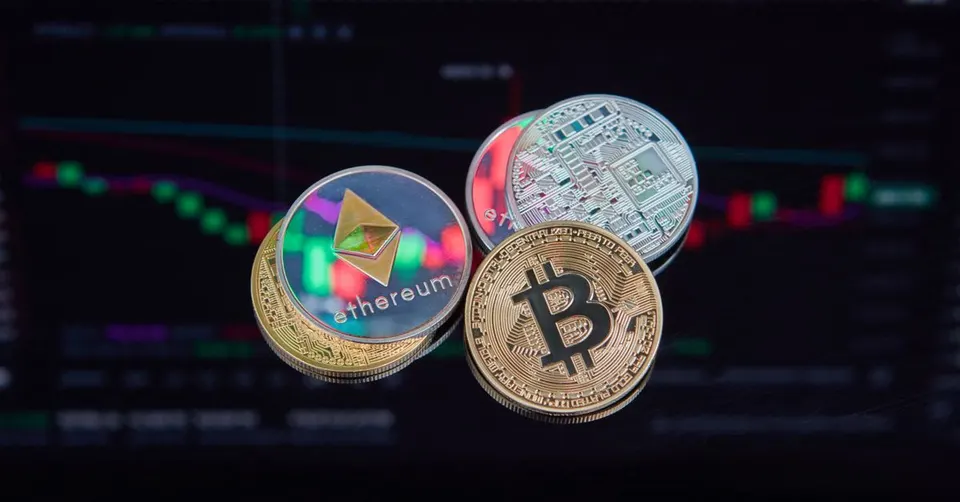
The cryptocurrency landscape is reeling from a massive report by blockchain intelligence firm TRM Labs, which claims that the exchange CoinEx served as a primary gateway for sanctioned Iranian entities. According to the data, approximately $3.84 billion in blockchain-traced flows moved through the exchange, allegedly linked to 60 different sanctioned Iranian crypto firms. This represents a staggering 8% share of illicit transactions for the platform, a figure significantly higher than that of its major competitors. The report suggests that despite international pressure, the 'cat and mouse' game of digital asset movement continues to provide a lifeline for sanctioned economies.
In response, CoinEx has officially denied the findings, disputing the methodology and the direct links to sanctioned entities. For the average Iranian user, this development is a double-edged sword. While it demonstrates the resilience of crypto-based value transfer in the face of traditional banking blocks, it also heightens the risk of sudden account freezes and increased KYC (Know Your Customer) scrutiny for any users suspected of having Iranian residency. As major exchanges face mounting pressure from US regulators, the window for 'compliance-free' trading is narrowing rapidly, potentially pushing Iranian capital toward even more opaque decentralized protocols.
Trump Seeks Billions for Iran Conflict Amid Republican Friction
Geopolitical tensions reached a new peak this Thursday as President Trump formally requested billions of dollars from Congress to fund potential military operations against Iran. This move comes after a period of intense rhetoric and regional skirmishes that have already disrupted global shipping. However, the request faces a significant hurdle in a divided Congress; even within his own party, some Republicans are expressing hesitation over the fiscal impact and the long-term strategic goals of such a massive budgetary expansion. The friction between the White House and fiscal hawks in the GOP suggests that the path to approval will be anything but smooth.
The impact on the Iranian domestic market was immediate. As news of the budget request filtered into Tehran's trading floors, the USD/IRR rate climbed from 164,650 to 166,050, representing a 0.9% increase in just 24 hours. Gold prices followed suit, with 18k gold rising from 15,856,687 to 15,996,121 per gram (+0.9%). This 'war premium' reflects the market's fear that a well-funded military escalation would lead to further isolation and inflationary pressure. Investors are currently fleeing toward hard assets, keeping the Emami coin stable but high at 163,000,000 Toman as they wait for the next political signal from Washington.

The Technical Battle for the Strait of Hormuz
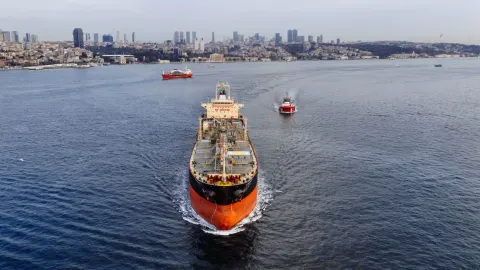
While politicians debate budgets, the technical reality on the water remains precarious. Recent reports have highlighted the ongoing, high-stakes operations of minesweeping in the Strait of Hormuz. Clearing these waters is a slow, methodical, and incredibly dangerous process involving specialized naval vessels and underwater drones. The goal is to ensure that the primary artery for global energy remains open, as any successful mine strike could send insurance premiums for tankers into the stratosphere. For countries like India, which is targeting a 7% economic growth rate, the stability of this route is non-negotiable; their central bank officials have noted that $70 oil is only possible if the Strait remains navigable.
This technical struggle underscores why the regional 'Shadow War' is so impactful on the global economy. It is not just about direct military engagement, but the ability to disrupt the flow of commodities through low-cost, high-impact means like naval mines. As the US Secretary of State, Marco Rubio, tours the Gulf to reassure allies of American protection, the focus is increasingly on these maritime security guarantees. For Iranian readers, the status of the Strait remains the single most important barometer for the national economy, as any prolonged closure would effectively halt the remaining oil exports that sustain the government’s budget.

Global Unrest: From Nairobi Protests to Caracas Quakes
Beyond the Middle East, global instability is compounding the sense of a world in transition. In Nairobi, Kenyan police have sealed off major roads as the 'Gen Z' protest movement prepares for a massive demonstration demanding justice for those killed in previous clashes. This internal unrest in a key African economy adds to the general sense of global volatility that often drives investors toward safe-haven assets like gold and Bitcoin. Meanwhile, in Venezuela, the humanitarian situation has turned dire following a double earthquake. The death toll has tragically risen to 164, with intensive search-and-rescue operations continuing in the La Guaira and Altamira areas.
These seemingly disparate events—protests in Africa and natural disasters in South America—interconnect through the global financial system. When multiple regions experience high-intensity shocks simultaneously, the appetite for risk diminishes across the board. This is part of the reason why, despite a minor relief rally in US equities, Bitcoin (currently at $61,180) and Ethereum ($1,628.71) are struggling to maintain a strong bullish momentum. For the Iranian investor, these global headlines serve as a reminder that the Toman’s weakness is partly a reflection of a world that is becoming increasingly unpredictable and expensive to navigate.
Frequently Asked Questions
How does the TRM Labs report affect Iranian CoinEx users?
Why is Trump's budget request causing the Toman to fall?
What is the significance of $70 oil for the global economy right now?
How Cryptocurrencies Enable Sanctions Evasion and Why Regulators Care
Economic sanctions are tools that governments use to restrict trade, finance, and travel with targeted nations or entities. When the United States imposed comprehensive sanctions on Iran, it prohibited U.S. persons and many foreign firms from dealing in Iranian assets, including the Iranian rial. The goal is to cut off funding streams that could support hostile activities, such as weapons programs or regional conflicts. However, the rise of cryptocurrencies has introduced a new, border‑less medium that can be exploited to bypass these restrictions.
Cryptocurrencies operate on decentralized ledgers where transactions are recorded publicly but users can remain pseudonymous. This combination makes it technically easy to move value across borders without involving traditional banks that are subject to Know‑Your‑Customer (KYC) and Anti‑Money‑Laundering (AML) checks. Crypto exchanges, especially those that do not enforce robust compliance, become conduits for converting fiat into digital tokens, sending them to wallets controlled by sanctioned parties, and then converting them back into local currency. The recent denial by CoinEx of a $3.8 billion Iran‑sanctions breach illustrates how a platform’s lack of stringent controls can attract scrutiny from the Office of Foreign Assets Control (OFAC).
Regulators respond by expanding the definition of “sanctions evasion” to include crypto‑related activities. The U.S. Treasury now requires exchanges to screen wallet addresses against OFAC’s Specially Designated Nationals (SDN) list, monitor transaction patterns for suspicious behavior, and retain detailed records. Failure to comply can result in hefty fines, asset freezes, and loss of access to the U.S. financial system. For users, this means that even if a transaction appears anonymous on the blockchain, the on‑ramp and off‑ramp services they rely on are still subject to traditional financial law.
Understanding this dynamic is crucial for investors, policymakers, and anyone interested in the intersection of technology and geopolitics. While cryptocurrencies offer legitimate benefits—speed, low cost, and financial inclusion—they also present a loophole that can undermine the effectiveness of sanctions. Ongoing research by firms like TRM Labs highlights the need for better blockchain analytics tools to trace illicit flows and for international cooperation to harmonize enforcement standards.
In short, crypto‑enabled sanctions evasion is a modern challenge that blends technology, law, and diplomacy. As the USD/IRR exchange rate continues to fluctuate under sanction pressure and geopolitical tensions rise—whether over the Strait of Hormuz or elsewhere—watching how digital assets are regulated will remain a key indicator of global financial stability.