Iran and India Strengthen Energy Ties Amidst Regional Tensions
توسعه روابط انرژی ایران و هند در میانه تنشهای منطقهای
Iran and India's energy ministers have pledged to expand cooperation, a move that could reshape regional energy dynamics. Meanwhile, tensions in the Strait of Hormuz and crypto developments in Japan add layers to the global economic landscape.
At time of publishing
USD
166,050
Toman
Gold 18K
16.11M
Toman / gram
Bitcoin
$61,256
US Dollar
Tether
167,300
Toman
Iran and India Pledge to Expand Energy Cooperation
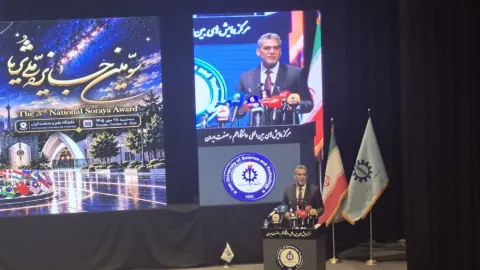
In a significant development, Iran's Oil Minister Mohsen Paknejad and India's Petroleum and Natural Gas Minister Hardeep Singh Puri have announced plans to strengthen their countries' cooperation in the oil and energy sectors. This announcement comes as both nations seek to navigate the complex web of regional and global energy politics. The discussions focused on increasing bilateral trade, joint ventures in oil exploration, and technology exchange. This move is seen as a strategic alignment given the shifting energy dynamics and the need for stable, diversified energy sources.
The timing of this announcement is critical as it coincides with ongoing global efforts to recalibrate energy supplies amid geopolitical tensions. For Iran, this partnership could provide an economic lifeline as it faces international sanctions that limit its oil exports. For India, securing a stable energy supply is crucial to support its growing economy. This collaboration could also influence regional energy markets, potentially offering alternative routes and partners for energy trade.
Tensions in the Strait of Hormuz
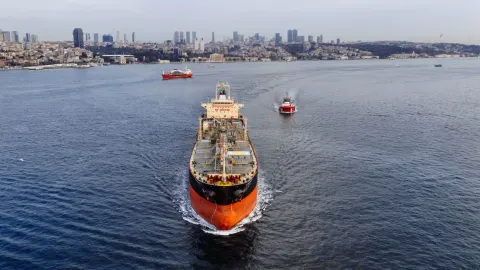
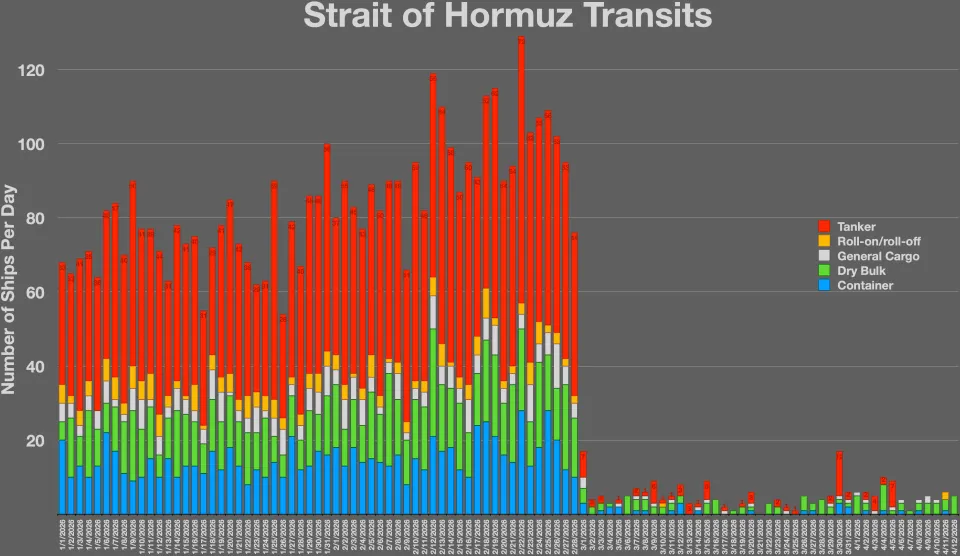
The geopolitical landscape remains fraught as Iran issues warnings concerning the Strait of Hormuz, a vital chokepoint for global oil shipments. Iranian authorities have cautioned ships transiting the strait, complicating efforts by international actors like the United States to stabilize the region. These tensions arise as U.S. Senator Marco Rubio meets with Gulf leaders, a move seen as part of broader diplomatic efforts to secure regional peace agreements.
The Strait of Hormuz is critical for global energy security, with a significant portion of the world's oil passing through this narrow channel. Any disruption here can have far-reaching implications on global oil prices and energy stability. Iran's warnings are likely a strategic maneuver to assert its influence in regional geopolitics, reminding global powers of its pivotal role in maritime security.
Crypto Developments: Circle and Nomura Target Japan's FX Market
In the world of cryptocurrency, Circle and Nomura have joined forces to tap into Japan's lucrative foreign exchange market, valued at approximately $440 billion daily. Their partnership aims to leverage blockchain technology for cross-border settlements, potentially revolutionizing how foreign exchange transactions are conducted in Japan. This move is part of a broader trend where traditional financial institutions are increasingly embracing crypto solutions to enhance efficiency and reduce costs.
For Iranian crypto enthusiasts, this development may signal shifts in global crypto strategies and market dynamics. As stablecoins like those Circle provides become more embedded in traditional finance, their impact on crypto prices and demand, including those in Iran, could be significant. This partnership also underscores the growing intersection between traditional finance and the burgeoning world of digital currencies.

Reform UK Sparks Controversy Over EU Nationals' Rights
In a controversial move, Reform UK, led by Nigel Farage, has proposed policies that would severely affect EU nationals residing in Britain. The plan includes restricting access to social housing and increasing employment costs for companies hiring EU nationals, sparking outrage and accusations of betrayal of Brexit promises. This policy shift highlights the ongoing tensions and unresolved issues stemming from the Brexit referendum.
For the markets, such policy changes could lead to uncertainty regarding labor mobility and economic stability in the UK. Investors and businesses are closely monitoring how these developments might affect their operations and the broader economic climate. The potential impact on trade relations and market confidence could ripple across the continent, affecting various sectors reliant on cross-border labor.

Broader Economic Implications
These stories collectively paint a picture of a world where geopolitical maneuvers, economic strategies, and technological advancements intersect. As Iran and India forge closer energy ties, the implications for regional stability and economic growth are profound. Meanwhile, tensions in the Strait of Hormuz and new crypto partnerships underscore the complexities of navigating today's global economic landscape.
For Iranian readers, understanding these dynamics is crucial as they directly impact currency stability, inflation, and the broader economic outlook. As the world adapts to these changes, the interplay between regional developments and global economic trends will continue to shape the future.
Frequently Asked Questions
Why are Iran and India expanding their energy cooperation?
What are the implications of tensions in the Strait of Hormuz?
How does the Circle and Nomura partnership affect the crypto market?
What is the controversy surrounding Reform UK's policies?
How do these developments affect Iran's economy?
The Strategic Significance of the Strait of Hormuz in Global Energy Security
The Strait of Hormuz, a narrow waterway linking the Persian Gulf with the Gulf of Oman, is the world’s most critical chokepoint for oil transport. Roughly 20% of global petroleum—about 21 million barrels per day—passes through its 21‑nautical‑mile span, making any disruption a direct threat to worldwide energy markets. Because the strait sits between Iran and the United Arab Emirates, its security is tightly bound to regional politics, especially the tense relationship between Iran and its Gulf neighbours.
Iran’s economy relies heavily on oil exports, and sanctions imposed by the United States and Europe have forced Tehran to seek alternative partners, notably India. In recent years, New Delhi has signed multi‑billion‑dollar agreements to import Iranian crude and develop joint refining projects, a move that deepens bilateral energy ties while providing Iran a lifeline amid sanctions. These deals also give India a more diversified supply source, reducing its dependence on the volatile South‑China Sea routes.
The strategic calculus becomes even more complex when considering modern financial tools. Partnerships such as the Circle‑Nomura crypto initiative illustrate how nations under sanctions might use digital assets to bypass traditional banking channels, facilitating trade in oil and other commodities without triggering compliance systems. While still nascent, such mechanisms highlight the evolving intersection of geopolitics, energy, and fintech.
For the broader global economy, any flare‑up in the Hormuz corridor—whether from missile drills, naval encounters, or mining of the seabed—can trigger sharp spikes in oil prices, ripple through inflation rates, and strain the fiscal balances of oil‑importing nations. Energy security, therefore, is not just a technical term but a geopolitical imperative that shapes diplomatic negotiations, defense postures, and even domestic policy decisions in distant capitals.
Understanding the strait’s role helps explain why countries like the United Kingdom have adjusted policies toward EU nationals and why regional tensions can have outsized effects on the Iranian economy, influencing everything from currency stability to the feasibility of large‑scale projects. In short, the Strait of Hormuz sits at the nexus of trade, security, and innovation, making its stability a cornerstone of global prosperity.