TotalEnergies Awaits Climate Trial Verdict Amid Record Heat
انتظار حکم دادگاه اقلیمی توسط توتالانرژیز در میان گرمای بیسابقه
France's TotalEnergies faces a pivotal court ruling that could reshape its operations amid soaring temperatures. Meanwhile, geopolitical tensions and energy market shifts continue to impact Iran.
At time of publishing
USD
165,450
Toman
Gold 18K
16.13M
Toman / gram
Bitcoin
$59,182
US Dollar
Tether
167,910
Toman
TotalEnergies Faces Climate Court Verdict in France
As France experiences a historic heatwave with temperatures reaching new heights, TotalEnergies, one of the country's largest energy companies, is under scrutiny in a Paris court. The trial, set to deliver a verdict on Thursday, concerns allegations by NGOs and the city of Paris that TotalEnergies has not complied with a 2017 French law mandating corporate vigilance on human rights and environmental risks. This case is significant as it marks the first application of this law to climate change, potentially setting a precedent for corporate environmental accountability.
TotalEnergies' operations could face substantial revisions if the court rules against it, requiring a decrease in oil and gas production to meet climate obligations. This trial highlights the growing pressure on energy giants worldwide to address their environmental impact amidst increasing climate activism and regulatory demands. For Iranians, such global shifts may signal potential changes in energy partnerships and market dynamics, influencing local economic conditions and energy security.

Oil Prices Stabilize as Hormuz Traffic Resumes
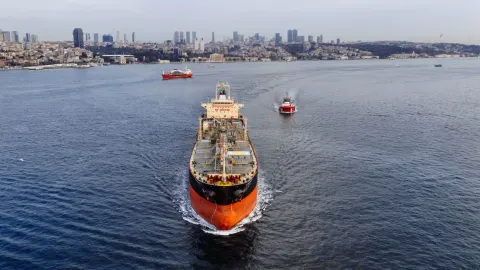
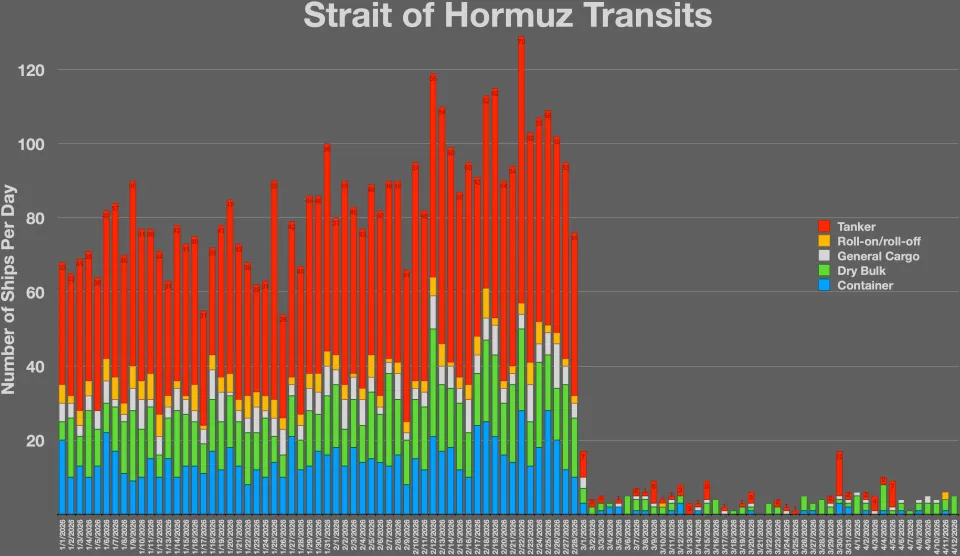
Oil prices have returned to levels seen before the recent Iran-related tensions, following signs of resumed traffic through the crucial Strait of Hormuz. This development comes after military activities in the region had previously disrupted shipments, pushing prices higher. The reopening of this vital shipping lane is expected to stabilize global oil markets, providing relief to economies reliant on energy imports.
For Iran, the easing of tensions and stabilization of oil prices could have mixed implications. While a stable market might benefit Iran's economy by ensuring steady revenue from oil exports, it also reduces leverage Iran might have used during periods of heightened tension. The interplay between geopolitical dynamics and market responses continues to shape the economic landscape in the region.
Senate Republicans Reject Iran War Powers Measure
In a significant political move, Senate Republicans in the United States have rejected a measure that would have limited the president's power to engage militarily with Iran. This decision came after intense lobbying by President Trump, who had pushed back against efforts to constrain his administration's military options in the region. The vote underscores ongoing divisions within the U.S. political landscape regarding foreign policy and military engagement, particularly concerning Iran.
The rejection of the war powers resolution could lead to increased tensions and uncertainty in U.S.-Iran relations. For Iran, this development might signal a continuation of a volatile geopolitical environment, impacting both diplomatic strategies and economic conditions. The potential for further conflict remains a concern for regional stability and global economic interests.

Middle East Fuel Oil Exports Surge
Fuel oil exports from the Middle East are anticipated to hit a four-month high this month, as tanker traffic through the Strait of Hormuz picks up. Key producers like Iraq, Saudi Arabia, and Oman have increased their shipments, contributing to a 20% rise in exports compared to May. This surge is attributed to improved shipping conditions and strategic moves by regional oil producers to capitalize on relaxed tensions.
For Iran, increased regional exports could pose competitive challenges, but also opportunities for collaboration and market expansion. As regional dynamics shift, Iran's strategic positioning in energy markets will be pivotal in navigating the complex interplay of supply, demand, and geopolitical factors.

Watch
As temperatures soar, France's TotalEnergies awaits ruling in climate trial • FRANCE 24 English
FRANCE 24 English
Frequently Asked Questions
What is the significance of the TotalEnergies climate trial?
How does the stabilization of oil prices affect Iran?
Why did Senate Republicans reject the Iran war powers measure?
What impact do increased Middle East fuel oil exports have?
How is the Strait of Hormuz related to global oil prices?
Understanding Maritime Chokepoints: The Strait of Hormuz and Global Energy Security
Maritime chokepoints are narrow channels or passages along widely used global sea routes that are critical for international trade and energy supply. These strategic locations, often naturally constrained by geography, become immensely important because a significant volume of global goods, especially crude oil and natural gas, must pass through them. Any disruption, blockage, or threat to these chokepoints can have far-reaching economic and geopolitical consequences, impacting global supply chains, commodity prices, and international relations.
Among the most critical of these chokepoints for energy is the Strait of Hormuz. Located at the mouth of the Persian Gulf, it serves as the sole sea passage from the Persian Gulf to the open ocean, connecting major oil-producing nations like Saudi Arabia, Iran, UAE, Kuwait, and Iraq with global markets. Roughly one-fifth of the world's total petroleum consumption and a substantial portion of global liquefied natural gas (LNG) transit through this narrow strait daily, making it an indispensable artery for the world's energy supply.
The geopolitical significance of the Strait of Hormuz cannot be overstated. Due to its strategic importance, it has frequently been a flashpoint for regional tensions, particularly involving Iran, which controls its northern coastline. Threats to disrupt shipping in the Strait, whether from military action, piracy, or political disputes, can send immediate shockwaves through global oil markets, leading to sharp price increases and heightened concerns over energy security. Major global powers maintain a naval presence in the region to safeguard this vital passage, underscoring its role as a linchpin in international trade and stability.