Hormuz Crisis Deepens as UN Pauses Evacuation; Gold Surges 2.2% in Tehran Amid Sanctions Pressure
تعلیق طرح تخلیه سازمان ملل در هرمز؛ جهش ۲.۲ درصدی قیمت طلا همزمان با فشار تحریمهای کریپتو
The UN has halted its Strait of Hormuz evacuation plan following a projectile attack on a cargo ship, sending ripples through global energy markets. Simultaneously, CoinEx faces scrutiny over a $3.8 billion disconnect involving Iranian platforms, while Tehran's gold market reacts with a sharp 2.2% spike.
At time of publishing
USD
165,750
Toman
Gold 18K
16.20M
Toman / gram
Bitcoin
$59,278
US Dollar
Tether
167,910
Toman
UN Halts Hormuz Evacuation After Projectile Attack
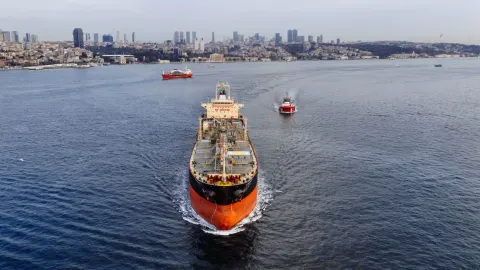
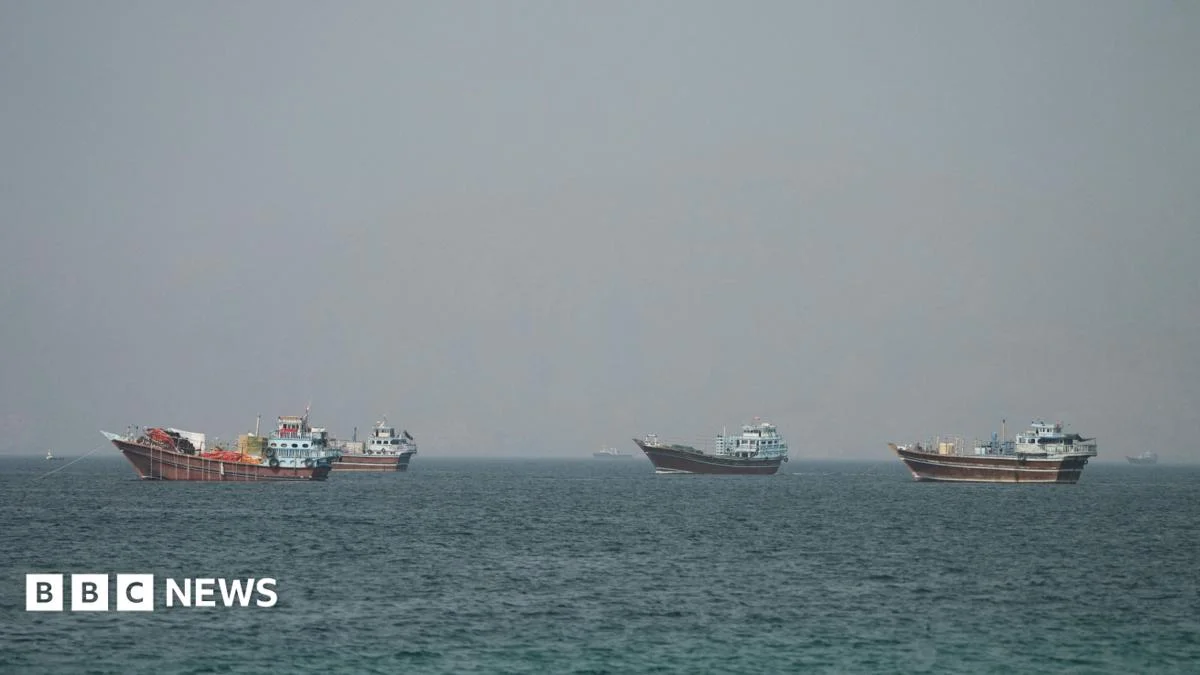
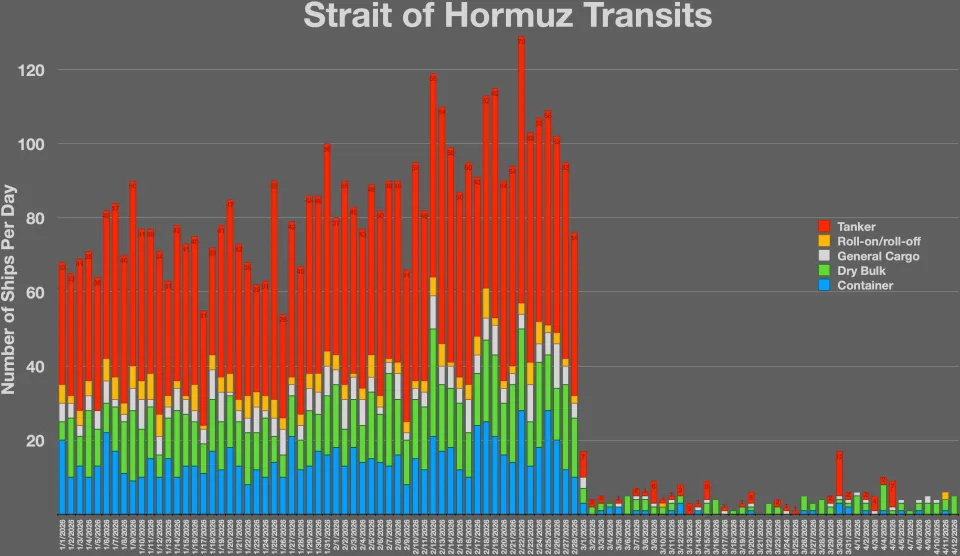
The United Nations has officially paused its contingency evacuation plan for the Strait of Hormuz following reports that a cargo ship was struck by an "unknown projectile" near the coast of Oman. While no casualties were reported in this specific incident, the tactical decision to halt the evacuation signals a significant degradation in the regional security environment. This move leaves dozens of commercial vessels in a state of limbo, navigating one of the world's most critical maritime chokepoints without the promised international safety net. The uncertainty has immediately translated into a risk premium for local markets, as shipping insurance rates are expected to climb further by morning.
From a strategic perspective, the pause highlights the extreme difficulty of maintaining humanitarian or safety corridors in a zone where asymmetric warfare is the norm. Analysts suggest that the UN's retreat from the plan may be a reaction to the lack of clear attribution for the attack, making it impossible to guarantee the safety of neutral observers or rescue teams. For Iran, this situation reinforces its geographic leverage over the waterway. As the IRGC continues to assert control, the global community is finding that securing the passage of goods through the Strait requires more than just diplomatic consensus—it requires a level of de-escalation that currently seems out of reach.
Market Reaction: Gold Surges While Toman Weakens
The domestic market in Tehran has responded to the escalating regional tensions with a notable flight to safety. Gold 18k per gram saw a significant jump, moving from 15,856,687 Toman to 16,200,886 Toman, a sharp increase of +2.2% in just 24 hours. This surge reflects a deep-seated anxiety among local investors who view physical gold as the ultimate hedge against both geopolitical conflict and currency instability. Interestingly, the Emami coin remained flat at 163,000,000 Toman, suggesting that the broader retail market is focusing more on the intrinsic value of the metal rather than the speculative premium of minted coins.
In the currency market, the US Dollar followed a similar upward trajectory, though with slightly less volatility than gold. The USD/IRR exchange rate moved from 164,650 to 165,750 Toman, marking a +0.7% increase. This steady climb indicates that while the Central Bank may be attempting to manage the pace of depreciation, the sheer weight of external news—including the UN's pause in Hormuz—is making it difficult to maintain a ceiling on the rate. For the average Iranian consumer, this combination of rising gold and dollar prices translates directly into higher expectations for imported goods and a further squeeze on purchasing power as the summer progresses.
CoinEx and the $3.8 Billion Sanctions Controversy
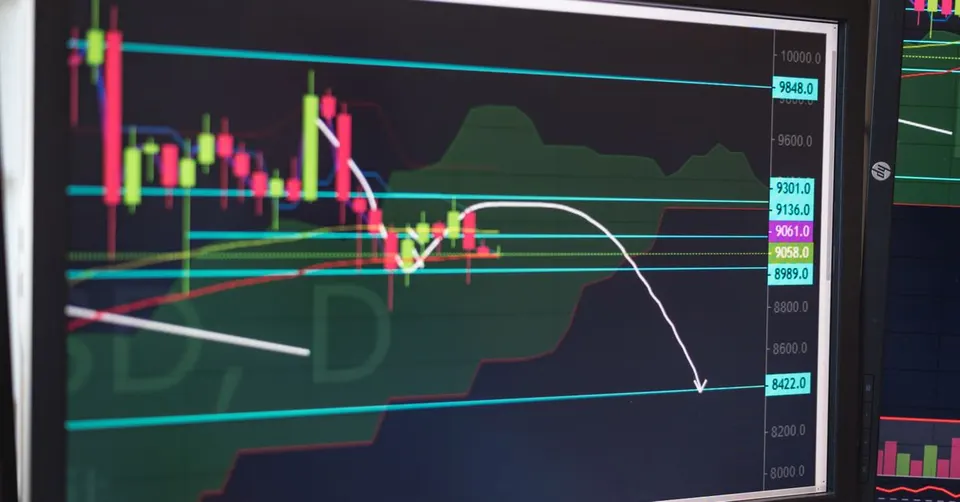
The cryptocurrency sector is reeling from a new report by TRM Labs, which alleges a massive $3.84 billion flow between the CoinEx exchange and over 60 sanctioned Iranian platforms. CoinEx has officially denied any "knowledge" of aiding the sanctioned market, characterizing the report as a "disconnect" between their internal compliance and external data analysis. However, the sheer scale of the volume mentioned—nearly four billion dollars—makes it one of the largest potential sanctions-evasion stories in the history of the crypto industry. This development puts immense pressure on global exchanges to tighten their KYC (Know Your Customer) protocols for any users with ties to the region.
For Iranian crypto traders, this news is particularly concerning. If regulators in the US or EU move to penalize CoinEx, it could lead to the freezing of assets belonging to thousands of innocent users who rely on the platform for cross-border payments and savings. The Tether (USDT) price in Iran has already reacted to this uncertainty, currently sitting at 167,910 Toman, maintaining a significant premium over the physical dollar. This "Tether premium" reflects the growing difficulty and risk associated with moving digital assets in an increasingly transparent and regulated global blockchain ecosystem.
Geopolitical Shifts: US Legal Rulings and NATO Friction
Beyond the immediate economic shocks, significant legal and diplomatic shifts are occurring in Washington and Tehran. The US Supreme Court recently handed President Trump major victories regarding immigration policy, allowing the administration to rescind deportation protections for hundreds of thousands of people. These decisions have sparked a fierce political backlash in the US, with some lawmakers accusing the conservative court of advancing a radical agenda. These domestic shifts are not isolated; they signal a more isolationist and aggressive US foreign policy that directly impacts how Washington handles its adversaries, including Iran.
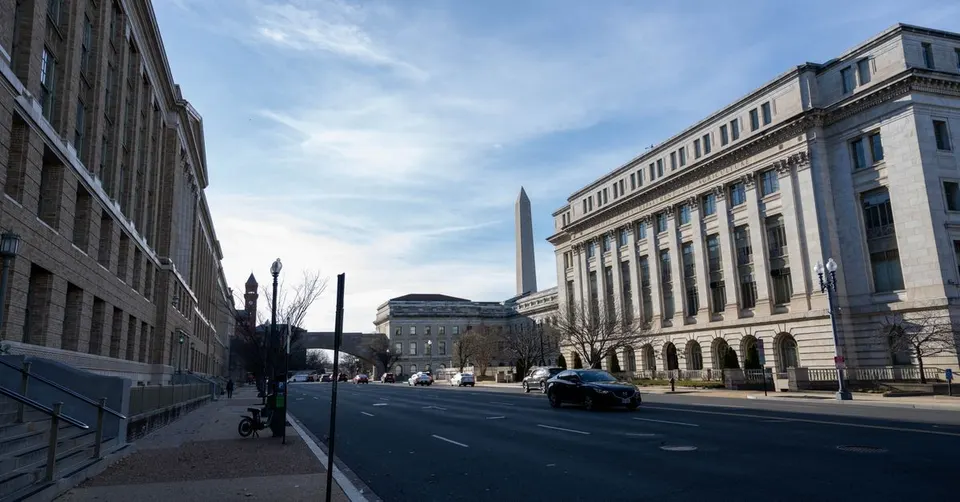
In response to these international pressures, Tehran has signaled a hardening of its stance toward Europe. Iran’s deputy foreign minister for legal affairs has warned that Italy and Romania will be held "internationally responsible" for allowing NATO and US forces to use their bases for operations targeting Iranian interests. This pivot toward holding individual European nations accountable marks a shift from broader anti-US rhetoric to more specific, legalistic threats. As the July 4th holiday approaches in the US, falling gas prices ($3.75 national average) offer little relief to the global sentiment, which remains fixated on the volatility in the Middle East and the shifting legal landscape in the West.
Watch
IRGC warns ships off Oman's corridor in Hormuz as Rubio draws line on tolls
euronews