Heathrow Warns of Iran War Fallout; Global Tech Markets Slump as Geopolitical Tensions Escalate
هشدار هیترو درباره پیامدهای اقتصادی جنگ ایران؛ سقوط بازارهای تکنولوژی در سایه تنشهای ژئوپلیتیک
Europe's busiest airport predicts a sharp drop in profits due to the Middle East conflict, while Asian markets face panic selling. As Tehran warns of Israeli aircraft movements, the global economic ripple effect is becoming impossible to ignore.
At time of publishing
USD
165,750
Toman
Gold 18K
16.19M
Toman / gram
Bitcoin
$60,218
US Dollar
Tether
166,900
Toman
Aviation Sector Braces for Conflict Impact
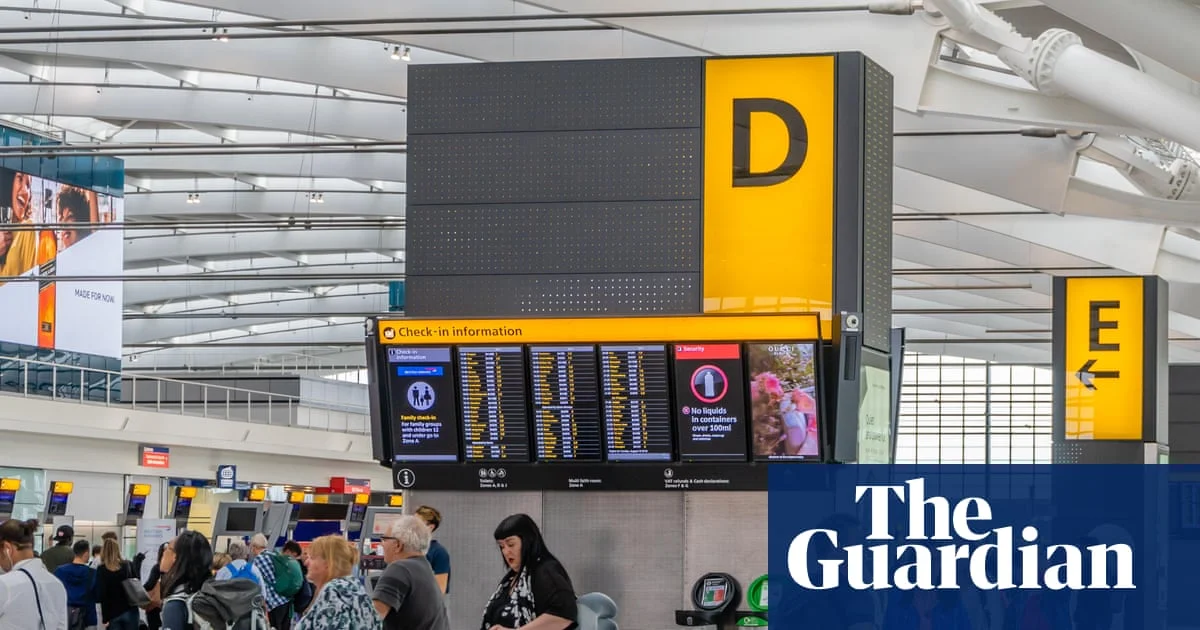
Heathrow Airport, Europe's premier international hub, has issued a sobering financial outlook, warning that the ongoing conflict involving Iran will lead to a significant decline in both passenger numbers and annual profits. The airport management now expects a 1.1% drop in total passenger traffic, bringing the year-end forecast down to 83.6 million travelers. This adjustment reflects a broader trend in global aviation where long-haul routes are being rerouted to avoid regional airspace, leading to increased fuel costs and longer flight times. For travelers and businesses alike, this means higher ticket prices and disrupted supply chains, as the 'Middle East premium' begins to weigh heavily on the logistics sector.
Beyond the immediate loss of revenue, Heathrow's struggle highlights the fragility of the post-pandemic recovery in the face of geopolitical instability. The airport has been forced into intense negotiations with regulators regarding the cost of its third runway project, a massive infrastructure undertaking that now faces an uncertain timeline. For the Iranian economy, this international scaling back of flight operations signals a deepening of economic isolation. As major carriers reduce their footprint in the region, the cost of moving high-value goods into Iran rises, further fueling domestic inflation and complicating the trade of essential medicines and technology.

Military Warnings and Domestic Market Stagnation
On the ground in Tehran, the military rhetoric has reached a fever pitch. The Khatam al-Anbiya Central Headquarters has issued a formal warning regarding Israeli aircraft movements near Iranian borders, characterizing them as a direct and dangerous threat to national sovereignty. This military posture is mirrored by Foreign Minister Abbas Araghchi, who stated that the martyrdom of the Leader in the recent conflict will remain an unforgivable act by 'US-Israeli enemies.' These statements are not merely for domestic consumption; they serve as a signal to global markets that the risk of a full-scale regional escalation remains at an all-time high, keeping investors on high alert.
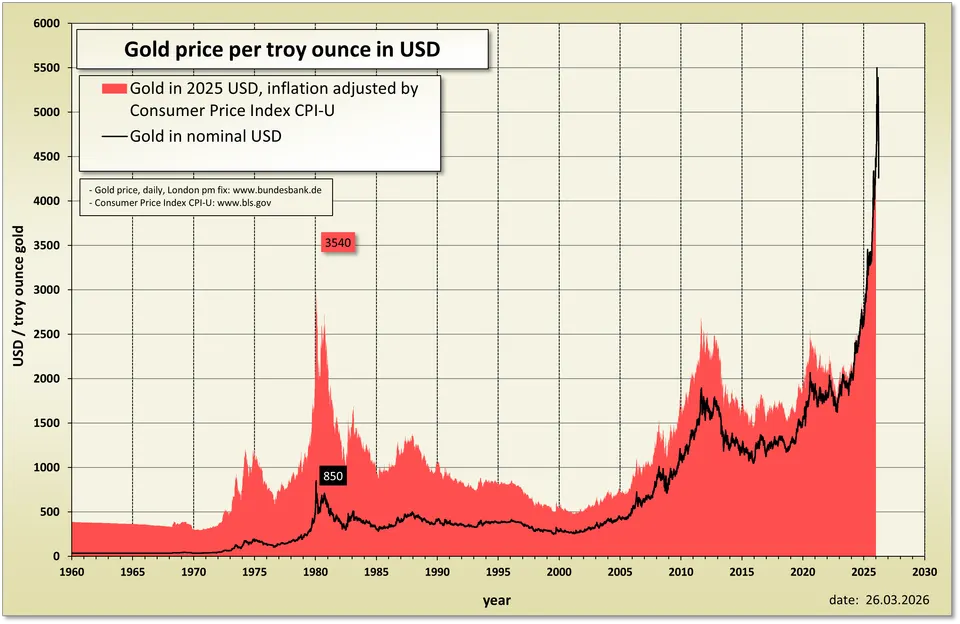
Despite these high-stakes geopolitical developments, the Iranian currency market has shown a peculiar form of paralysis. The USD/IRR rate remained unchanged at 165,750 Toman (0.0% change) over the last 24 hours, suggesting that the market has reached a temporary equilibrium of fear. While the currency is stable for the moment, gold 18k/gram saw a slight dip from 16,200,886 to 16,191,421 Toman (-0.1%), indicating a minor cooling off after a period of intense speculative buying. This 'sticky' pricing reflects a wait-and-see approach by major traders who are hesitant to move large volumes until the next kinetic development in the conflict becomes clear.
Global Markets and the Tech Slump
Global financial markets are feeling the heat as well, but for different reasons. In Asia, stock markets have taken a significant hit, with tech shares leading a broader slump. Trading on South Korea’s Kospi index was halted for the third time this week to prevent a total collapse in prices as panic selling took hold. The intersection of high interest rates in the West and the threat of energy supply disruptions from the Middle East has created a toxic environment for growth-sensitive stocks. This contagion is moving westward, as investors flee from riskier assets into the relative safety of the US Dollar, even as the greenback faces its own long-term challenges.
In the cryptocurrency world, the narrative of Bitcoin as 'digital gold' is being severely tested. Bitcoin (BTC) is currently pinned near the $60,218 mark, struggling to maintain momentum as ETF outflows extend into their seventh consecutive week. The market is increasingly concerned about the concentration of risk, with some institutional holders facing paper losses that dwarf the entire market capitalization of smaller altcoins. As global liquidity tightens and geopolitical risks like the Venezuela earthquake—which has claimed 235 lives—divert humanitarian and financial resources, the speculative appetite for crypto assets continues to wane. The current 12:00 Tehran session shows a world economy that is interconnected, fragile, and deeply reactive to the drumbeats of war.

Frequently Asked Questions
Why is Heathrow predicting a decline in profits?
Why was trading halted on the South Korean Kospi index?
How has the Iran-Israel tension affected the Rial today?
Geopolitical Risk and Financial Market Volatility
Geopolitical risk refers to the potential for political events and instability to disrupt the normal course of international relations and economic activity. This broad category encompasses everything from interstate conflicts and civil wars to political coups, trade disputes, and even major terrorist attacks. Unlike traditional economic risks, geopolitical events are often sudden, unpredictable, and can have far-reaching, non-linear effects, making them particularly challenging for markets to price in advance.
When geopolitical tensions escalate, financial markets typically react with increased volatility and a pronounced "flight to safety." Investors tend to sell off riskier assets like equities, especially those in sectors sensitive to global trade or consumer confidence (e.g., tech stocks, as indicated by the "Global Tech Markets Slump"). Capital also flows out of more speculative investments, such as cryptocurrencies (evidenced by "Bitcoin ETF outflows"), as investors seek to preserve capital. Conversely, demand for safe-haven assets like gold and certain stable government bonds often surges, driving up their prices.
The ripple effects extend beyond asset prices. Geopolitical conflicts can disrupt critical supply chains, impacting global trade and transportation – a concern for entities like Heathrow, which relies on stable international travel and cargo flows. Commodity markets are particularly vulnerable, with oil and natural gas prices often spiking due to fears of supply disruption, and gold prices rising as a traditional store of value during uncertainty. Currency markets also experience significant shifts, with the U.S. dollar often strengthening as a global reserve currency, while currencies of directly involved nations or those heavily reliant on affected trade routes (like the "USD IRR price" for Iran) can face severe depreciation. These interconnected impacts highlight how political instability in one region can quickly translate into global economic tremors.