Venezuela Reels from Quakes, Middle East Tensions Flare, Hormuz Shipping Paused
ونزوئلا در شوک زمینلرزه، تنشها در خاورمیانه تشدید شد، و کشتیرانی هرمز متوقف گشت
Overnight, devastating earthquakes rocked Venezuela's coast, compounding the nation's challenges and raising global humanitarian concerns. Simultaneously, regional instability escalated with renewed Israeli airstrikes in southern Lebanon, while maritime security in the critical Strait of Hormuz faced disruptions after a vessel was struck, impacting global trade routes.
At time of publishing
USD
165,750
Toman
Gold 18K
16.20M
Toman / gram
Bitcoin
$59,773
US Dollar
Tether
167,659
Toman
Market Open: Calm Before the Storm?
As the markets awaken this Friday morning, we see a peculiar calm amidst significant global tremors. The USD/IRR exchange rate held steady at 165,750 Toman, showing no change over the past 24 hours. Similarly, the price of an 18k gold gram remained flat at 16,200,886 Toman, and the Emami coin also saw no movement, holding at 163,000,000 Toman. This stability in key domestic indicators might seem reassuring, but it contrasts sharply with the volatility observed in international markets and the geopolitical headlines unfolding overnight.
Bitcoin, often a bellwether for global risk appetite, experienced a dip below $59,000 before rebounding to its current price of $59,773 USD. This mirrors a broader trend where Asian equities also saw sharp declines, with South Korea's Kospi even triggering a circuit breaker. While our local markets appear insulated from these immediate fluctuations, the underlying global sentiment, driven by a cocktail of natural disasters and geopolitical tensions, suggests a cautious mood that could eventually ripple through.
---
Venezuela's Coastal Cities Devastated by Back-to-Back Earthquakes
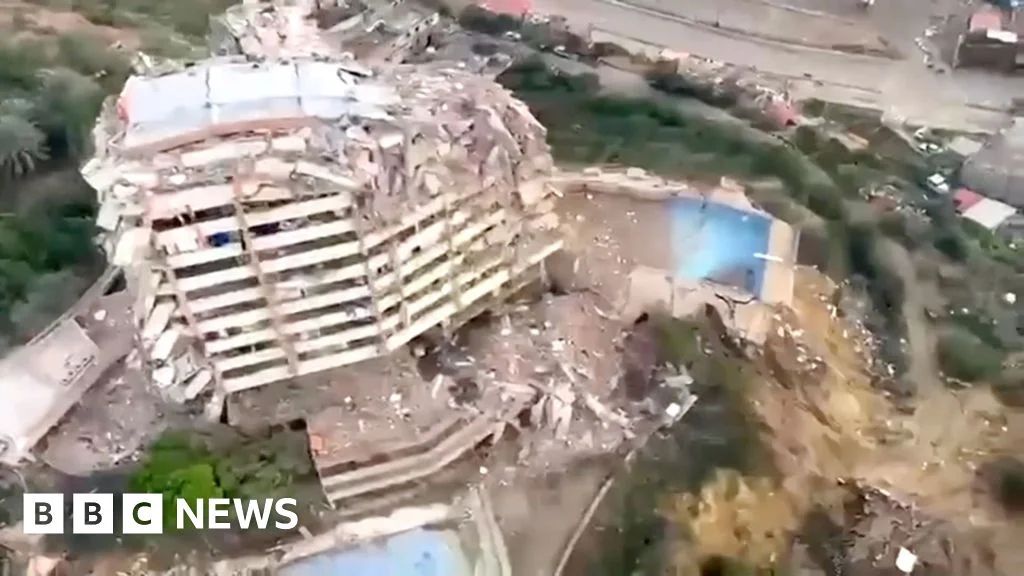
Aerial footage from Venezuela's coastal region, particularly La Guaira, has revealed widespread devastation following two major earthquakes on Wednesday. Multi-storey buildings have collapsed, and reports indicate at least 235 fatalities and over 4,300 injured, with hundreds more feared trapped beneath rubble. The search for survivors is growing increasingly urgent, as emergency services grapple with the scale of the catastrophe in a nation already facing severe economic and infrastructural challenges.
This natural disaster strikes a critical blow to Venezuela, a country whose political and economic landscape has been fraught with instability for years. While its oil production has been significantly hampered by sanctions, such a widespread humanitarian crisis could further destabilize the region, demanding international aid and potentially impacting global perceptions of stability in Latin America. For Iranian readers, while not directly impacting trade, a major disruption in a fellow oil-producing nation, even if currently under sanctions, contributes to the broader global risk calculus.
---
Israeli Airstrikes Violate Ceasefire in Southern Lebanon
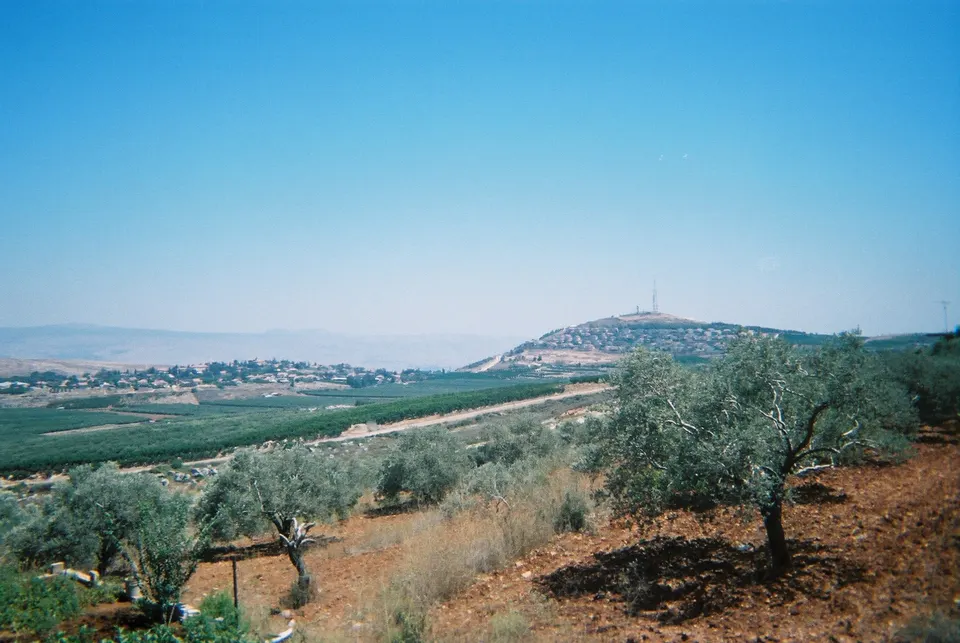
In a concerning development overnight, the Israeli regime conducted fresh airstrikes on southern Lebanon, explicitly violating the standing ceasefire. This action, reported by IRNA, signals a dangerous escalation in an already volatile region. The strikes come amidst ongoing tensions and a fragile truce, raising fears that the conflict could spiral further, drawing in regional and international actors.
Such violations of ceasefire agreements carry profound implications for regional stability and global energy markets. Any significant escalation in the Levant directly impacts the broader Middle East, including critical shipping lanes and oil production hubs. For Iran, these renewed hostilities on its western flank are a direct challenge to regional security, potentially affecting trade routes, investor confidence, and the overall geopolitical climate that shapes its economic outlook. The risk premium for oil and other commodities typically rises with such instability.
---
UN Pauses Hormuz Shipping After Vessel Struck
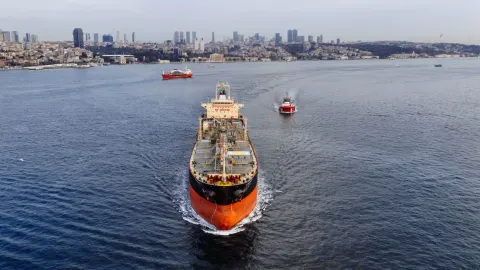
The Strait of Hormuz, the world's most crucial oil chokepoint, faced renewed security concerns overnight after a vessel was reportedly struck off the coast of Oman. In response, a United Nations agency has paused the evacuation of ships through the strait, demanding confirmed safety guarantees before maritime traffic can resume its planned movements. This incident follows reports of an Iranian strike on a commercial vessel in the strait, which Tehran suggested had used an unapproved route.
This development immediately sent ripples through the oil markets, causing a temporary 2% reversal in crude prices before they settled for a weekly loss. The Strait of Hormuz is vital for global energy supply, with a significant portion of the world's seaborne oil passing through it daily. Any disruption, however brief, highlights the inherent geopolitical risks of the region. For Iran, maintaining security and control over its territorial waters and the strait is paramount, but such incidents underscore the delicate balance between security concerns and the imperative of unimpeded international trade, directly influencing global oil prices and shipping insurance costs.
Frequently Asked Questions
What is the current humanitarian situation in La Guaira, Venezuela?
How do regional conflicts like the Israeli-Lebanese tensions impact global oil prices and shipping?
What is the significance of the Strait of Hormuz for global energy markets?
How might the political situation in Venezuela, combined with natural disasters, affect its future oil production and global supply?
What are the direct implications of these global events for the Iranian economy and currency stability?
The Geopolitical Significance of Maritime Chokepoints: The Strait of Hormuz
In the intricate web of global trade and energy supply, certain narrow sea passages hold immense strategic importance. These are known as maritime chokepoints: critical bottlenecks through which a significant portion of the world's commercial and energy traffic must pass. Their strategic value stems from their geographical constraints; they are often too narrow to offer alternative routes, making them vulnerable to disruption from geopolitical tensions, piracy, or military conflict. Understanding these chokepoints is key to grasping the dynamics of international relations, energy security, and global economic stability.
Perhaps the most prominent and economically vital of these chokepoints is the Strait of Hormuz. Located between the Persian Gulf and the Arabian Sea, this narrow waterway is bordered by Iran to the north and Oman's Musandam peninsula to the south. It serves as the sole maritime outlet for the vast oil and gas reserves of the Persian Gulf states, including Saudi Arabia, Iran, UAE, Kuwait, and Iraq. An astounding one-fifth of the world's total petroleum liquids consumption, and about one-third of the world's liquefied natural gas (LNG) passes through this strait daily, making it the world's most important oil transit chokepoint.
The implications of any disruption to shipping in the Strait of Hormuz are profound and far-reaching. Even the threat of closure or attack, often fueled by regional geopolitical conflicts such as those in the Middle East, can send shockwaves through global energy markets. Such tensions immediately translate into heightened oil price volatility, driving up costs for consumers and businesses worldwide. This vulnerability underscores why maritime security in this region is a constant priority for major global powers and why any flare-up of conflict instantly captures international attention.
Ultimately, the Strait of Hormuz exemplifies how geography can dictate geopolitics and economics. Its strategic location makes it a focal point for international security concerns and a barometer for global energy stability. For a curious reader, understanding the concept of maritime chokepoints, particularly the Strait of Hormuz, provides crucial insight into why seemingly distant regional conflicts can have immediate and tangible impacts on their daily lives and the broader global economy.