Global Oil Supply Chain Fractures as Tehran Rejects US-PGCC Statement Amid Energy Crisis
شکاف در زنجیره تأمین نفت جهانی؛ واکنش تند تهران به بیانیه مشترک آمریکا و شورای همکاری
As South Korean refineries scramble to replace Middle Eastern crude, Tehran has officially denounced the latest US-PGCC joint statement as interventionist. Meanwhile, gold prices edge higher in Iran while Bitcoin struggles to maintain the $60,000 support level.
At time of publishing
USD
165,750
Toman
Gold 18K
16.25M
Toman / gram
Bitcoin
$59,680
US Dollar
Tether
167,600
Toman
The Global Energy Ripple: South Korean Refineries Under Pressure
The ongoing conflict in the Middle East is no longer just a regional concern; it has begun to fundamentally reshape the global energy supply chain. In Ulsan, South Korea, home to one of the world's largest refining complexes, engineers and procurement officers are currently scrambling to find alternatives to Middle Eastern crude. For years, these refineries have served as the primary exporters of jet fuel to the United States West Coast and other major global hubs. The sudden 'war shock' to the Iranian and regional oil supply has forced these facilities to look toward more expensive and logistically complex sources, threatening to drive up fuel prices globally.
This shift is particularly challenging because of the specific chemical composition of Middle Eastern crude, which these refineries were optimized to process. South Korean Foreign Minister Cho Hyun has recently voiced strong support for diplomatic efforts to stabilize West Asia, reflecting the deep economic anxiety felt in Seoul. As the refinery in Ulsan attempts to wean itself off regional oil, the resulting volatility is expected to trickle down to airline ticket prices and shipping costs across the Pacific. For the Iranian reader, this underscores how the regional situation is exerting pressure on even the most distant trade partners, creating a cycle of economic interdependence that is currently being tested to its limits.

Diplomatic Friction: Tehran Slams US-PGCC Joint Statement
On the diplomatic front, the Iranian Ministry of Foreign Affairs has issued a sharp rebuke of the joint declaration made by the United States and the Persian Gulf Cooperation Council (PGCC). Tehran has characterized the statement as “interventionist, irresponsible, and provocative,” signaling that the window for a regional rapprochement remains narrow. The dispute centers on Western demands for Iran to limit its regional influence and for neighboring Iraq to distance itself from Iran-linked militias. This rhetoric comes at a time when the Islamic Republic is asserting its sovereignty over regional security matters, rejecting what it views as external meddling in its internal and strategic affairs.
This diplomatic escalation is happening against a backdrop of increased pressure from the Trump administration on Iraqi leadership. The demand for Baghdad to rein in militias outside of government control has put the new Iraqi leader in a precarious position, caught between the influence of Tehran and the economic demands of Washington. For markets, this persistent friction means that the 'geopolitical risk premium' is unlikely to dissipate anytime soon. As long as the rhetoric between the US-led bloc and Iran remains hostile, investors will likely continue to treat the Persian Gulf as a high-risk zone, impacting insurance rates for shipping and the general flow of capital into the region.
Shipping and Logistics: The Fragile State of the Strait of Hormuz
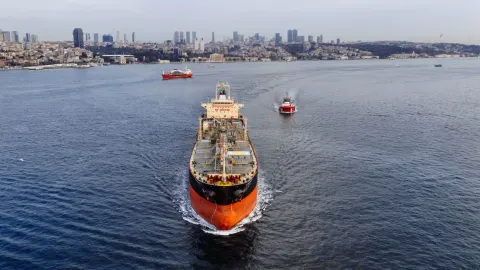
While some traffic has resumed through the Strait of Hormuz, the atmosphere remains one of extreme caution. Following a recent attack on a container ship in the Gulf of Oman, shipowners are hesitant to transit the chokepoint without significant security guarantees. Vessel-tracking data shows a handful of tankers moving through the Omani coast, but the volume is far from pre-war levels. In response to this uncertainty, Qatar has begun offering crude loadings outside the Strait for the first time since the conflict began. By using ship-to-ship transfers in the offshore waters of Fujairah and Sohar, QatarEnergy is attempting to bypass the dangerous chokepoint and maintain its export commitments to global buyers.
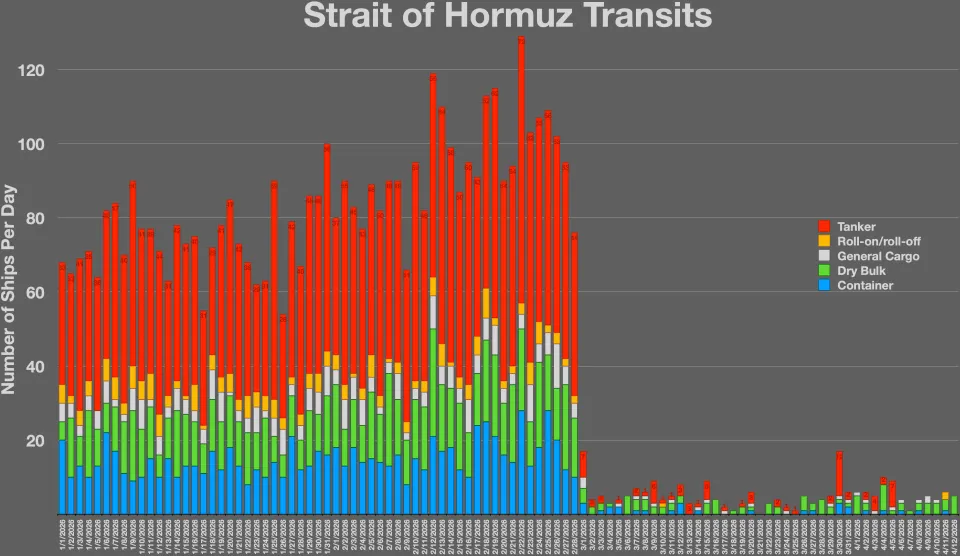
This shift in logistics is a clear indicator that regional energy producers are preparing for a long-term disruption. The move to load oil outside the Strait is a costly but necessary workaround that highlights the fragility of global energy security. For the Iranian economy, the continued instability in the Strait is a double-edged sword. While it highlights Iran's strategic leverage over the world's most important waterway, it also complicates the nation's own trade and contributes to the volatility of the Toman. As of 14:00 Tehran time, the USD remains stable at 165,750 Toman, but the underlying tension in the shipping lanes suggests that any further incident could trigger immediate market reactions.
Market Watch: Gold Gains and Bitcoin’s Downward Pressure
In the financial markets, we are seeing a divergence between traditional safe havens and digital assets. In the Iranian domestic market, Gold 18k per gram has risen from 16,200,886 to 16,254,213 Toman (+0.3%), reflecting a renewed interest in hedging against regional instability. The Emami coin remains steady at 163,000,000 Toman, but the slight uptick in gold prices suggests that local investors are increasingly looking for physical security as the geopolitical situation remains unresolved. This trend is mirrored globally as gold continues to hover near record highs, driven by central bank buying and general risk aversion.
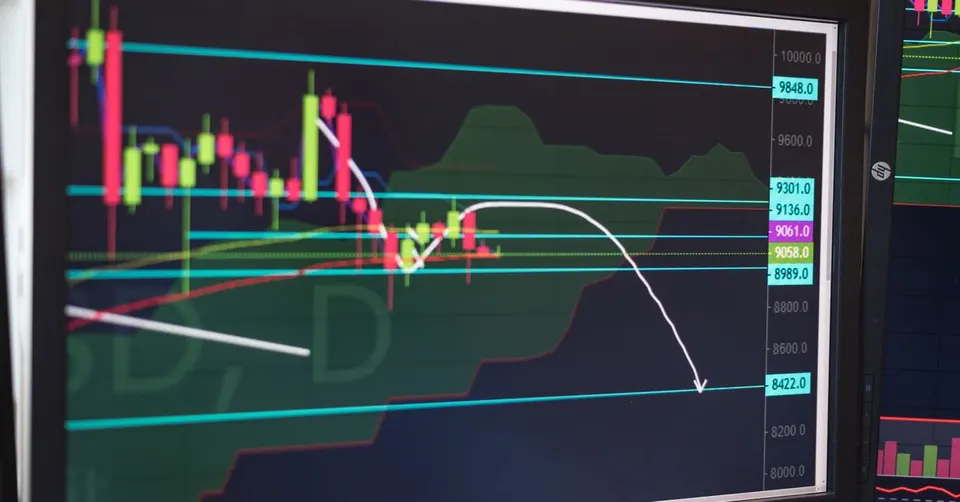
Conversely, the cryptocurrency market is facing significant headwinds. Bitcoin (BTC) is currently trading at $59,680, struggling to stay above the critical $60,000 psychological level. This decline is largely attributed to massive outflows from US Bitcoin ETFs, which recorded nearly $700 million in exits in a single day this June. The total year-to-date losses for these ETFs have now reached $4.6 billion, suggesting that institutional appetite is cooling in the face of persistent high-interest rates and global uncertainty. For Iranian crypto holders, the USDT rate at 167,600 Toman remains a key metric to watch, as it often acts as a leading indicator for broader currency fluctuations in the open market.
Frequently Asked Questions
Why is the oil shock in South Korea relevant to Iranian readers?
What was the core of the US-PGCC statement that Iran rejected?
Why is Qatar loading oil outside the Strait of Hormuz?
How is the Bitcoin price affecting the Iranian market today?
Understanding Global Trade Chokepoints: The Strategic Importance of the Strait of Hormuz
In the intricate web of global commerce, certain narrow maritime passages hold disproportionate strategic importance. These are known as chokepoints, critical arteries through which a significant portion of the world's trade, particularly energy shipments, must pass. Their geographical constraints make them vulnerable to disruption, whether from geopolitical tensions, piracy, or military conflict. Understanding these chokepoints is essential for grasping the fragilities inherent in global supply chains and the potential for widespread economic impact when they are threatened.
Among these vital chokepoints, the Strait of Hormuz stands out as arguably the most critical for global energy markets. Located between the Persian Gulf and the Gulf of Oman, this narrow waterway connects the oil-rich Middle East with the rest of the world. An estimated one-fifth to one-third of the world's total petroleum liquids consumption, along with a significant volume of liquefied natural gas (LNG), transits through the Strait daily. Countries like South Korea, with their large refining capacities, are heavily reliant on these uninterrupted flows from the Persian Gulf.
Any significant disruption to shipping through the Strait of Hormuz can send immediate shockwaves through global energy markets, leading to sharp spikes in oil and gas prices. Geopolitical events, such as the rejection of international statements by regional powers or escalating military posturing, directly threaten this crucial passage. Such threats highlight the inherent vulnerability of nations dependent on these energy supplies and underscore the need for international cooperation to ensure the security and freedom of navigation through these vital maritime lanes.
The ripple effects of a potential closure or severe restriction in a chokepoint like the Strait of Hormuz extend far beyond just energy prices. It can disrupt global supply chains, increase shipping costs, impact industrial production, and even contribute to broader economic instability and inflation. The concept of chokepoints thus serves as a powerful reminder of how localized geopolitical events can have profound and far-reaching consequences for the global economy and the daily lives of people worldwide.