
Venezuela Quake Toll Hits 589; US Markets Brace for 'Risk-Off' Summer as Funds Exit Tech
فاجعه در ونزوئلا: شمار قربانیان زلزله به ۵۸۹ نفر رسید؛ خروج سرمایه از بازارهای جهانی در آستانه تابستان
The death toll from Venezuela's devastating earthquake has surged to 589 as international aid pours into the country. Meanwhile, the US stock market recorded its first major outflow since March, signaling a cautious pivot toward a risk-off summer.
At time of publishing
USD
165,750
Toman
Gold 18K
16.25M
Toman / gram
Bitcoin
$58,952
US Dollar
Tether
167,032
Toman
Venezuela’s Humanitarian Crisis Deepens
The scale of the tragedy in Venezuela has reached a grim milestone, with President Delcy Rodríguez confirming that the death toll from Wednesday’s powerful twin earthquakes has risen to 589. With nearly 3,000 people injured and hundreds still missing under the rubble, the disaster has overwhelmed the nation’s emergency infrastructure. While the International Federation of Red Cross (IFRC) notes that a disaster of this magnitude would challenge any nation on earth, the humanitarian situation is critical as rescuers work against the clock in a race to find survivors in the most affected regions.
International solidarity has begun to materialize, with the United States and Mexico among the first to deploy specialized search and rescue teams. This event is not just a localized tragedy; it has significant geopolitical implications for the region's stability and oil supply chain. As Venezuela struggles to manage the immediate aftermath, the global community is watching closely to see how the crisis impacts the country's already fragile governance and its ability to maintain energy production levels. For markets, the primary concern remains the potential for localized instability to spill over into broader regional volatility.

US Markets Pivot Toward Risk-Off Sentiment
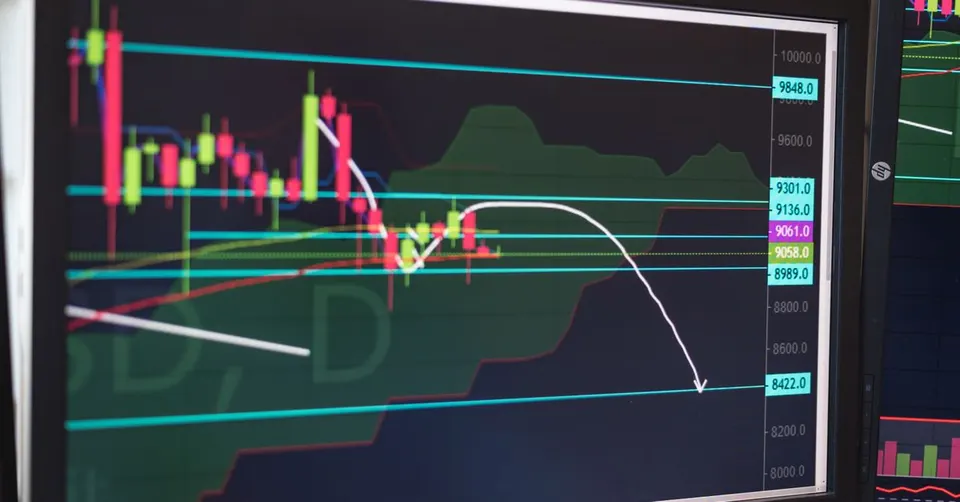
For the first time since March, the U.S. stock market has recorded a net outflow of funds, signaling a potential end to the aggressive tech-driven rally of early 2026. Analysts are warning that this shift could set the stage for a "risk-off" summer, where investors move away from volatile growth stocks and toward more defensive sectors like housing, REITs, and small-cap value stocks. This cooling sentiment comes as hot PCE data continues to fuel fears of a hawkish Federal Reserve, making the cost of capital remain higher for longer than many had initially anticipated.
In the Iranian market, this global caution is reflected in a relatively stable but high-priced environment. The USD/IRR rate remained flat at 165,750 Toman, showing no 24-hour delta, while Gold 18k per gram rose slightly from 16,200,886 to 16,254,674 Toman (+0.3%). This minor uptick in gold prices, despite a stagnant dollar, suggests that local investors are hedging against global uncertainty. Meanwhile, Bitcoin has seen its floor crack, falling to $58,952 as ETF outflows continue for the sixth consecutive day, further underscoring the general retreat from high-risk assets.
Cultural Tensions on the Pitch: Iran vs. Egypt in Seattle
The Iranian national football team finds itself at the center of a cultural and political storm in Seattle as they prepare for a crucial Group G match against Egypt. The match, designated as a "Pride Match," will see the stadium adorned with rainbow flags, a symbol that has created a palpable tension within the Iranian delegation. Coach and officials have largely refused to comment on the pride celebrations, highlighting the ongoing friction between international sporting standards and the domestic political constraints of the Islamic Republic.
This sporting event serves as a microcosm of Iran’s broader struggle to balance its international presence with its internal ideological red lines. For fans and observers, the match is more than just a game; it is a high-stakes encounter that reflects the complexities of Iran’s global relations. A win or a draw is necessary for the team to continue its journey, but the off-field narrative regarding human rights and cultural expression remains the dominant theme for international media covering the event.
Japan’s Imperial Crisis and Global Tech Deals
Across the globe, Japan is grappling with a looming succession crisis as the imperial family faces a shortage of male heirs. Emperor Naruhito’s recent trip to Europe highlighted the contrast between Japan's 2,600-year-old male-only lineage and European monarchies like Belgium and the Netherlands, where women are in line for the throne. This debate is deeply dividing Japanese society, pitting traditionalists against those who believe a female empress is necessary for the monarchy's survival in the 21st century.
In the technology sector, consumer behavior remains resilient despite the broader market's risk-off tone. Apple’s AirPods Max 2 headphones have become a centerpiece of the ongoing Prime Day sales, currently discounted by $150 to a price of $399. This aggressive pricing strategy from Apple and major retailers like Walmart suggests a push to clear inventory ahead of the next cycle of hardware releases, even as the global economy faces headwinds from rising temperatures and potential El Niño-related disruptions that could cost trillions in the coming years.

Frequently Asked Questions
How is the Venezuela earthquake affecting global markets?
Why is the US stock market seeing outflows now?
What is the significance of the 'Pride Match' for the Iranian football team?
Understanding "Risk-Off" Sentiment in Financial Markets
When financial headlines warn of a "risk-off" summer or funds exiting certain sectors, they are referring to a fundamental shift in investor behavior driven by fear and uncertainty. "Risk-off" sentiment describes a period where investors collectively reduce their exposure to riskier assets and move their capital into safer, more stable investments. This shift is typically triggered by concerns about economic slowdowns, geopolitical instability, rising inflation, or other significant market-disrupting events. It's a defensive posture aimed at preserving capital rather than seeking high returns.
During a "risk-off" phase, assets that were previously popular for their growth potential, such as stocks (especially high-growth technology companies), cryptocurrencies like Bitcoin, and emerging market equities, often experience significant outflows and price drops. Investors become less willing to take chances, fearing potential losses more than missing out on gains. This widespread selling can exacerbate market volatility and lead to broader market corrections. The keyword "US stock market outflow" directly reflects this behavior, as funds are pulled from riskier US equities.
Conversely, capital flows into "safe-haven" assets during risk-off periods. These typically include government bonds (like U.S. Treasuries, German Bunds), which are considered highly secure due to the backing of stable governments. Gold, with its long history as a store of value and hedge against inflation and economic turmoil, also sees increased demand. Certain currencies, such as the U.S. Dollar, Japanese Yen, and Swiss Franc, often strengthen as investors seek liquidity and stability in times of global stress. Understanding "risk-off" sentiment is crucial for interpreting market movements and anticipating how various asset classes might perform under different economic conditions.
Topics
Related Articles