US-Iran Escalation Threatens Ceasefire; Toman & Gold Surge Amid Regional Tensions
تشدید تنشها بین آمریکا و ایران آتشبس را تهدید میکند؛ جهش تومان و طلا در بحبوحه ناآرامیهای منطقهای
New US-Iran exchanges of attacks in the Gulf threaten to unravel a fragile ceasefire, causing local markets to react sharply with the Toman weakening and gold prices surging. Meanwhile, UK households face a significant energy bill hike, and rescuers continue to battle aftershocks in Venezuela. Tehran also unveiled a memorial for a national martyr, while discussions grow on AI's transformative role in healthcare.
At time of publishing
USD
171,750
Toman
Gold 18K
17.00M
Toman / gram
Bitcoin
$60,022
US Dollar
Tether
171,469
Toman
US-Iran Attacks Threaten Fragile Ceasefire, Drive Toman and Gold Prices Up
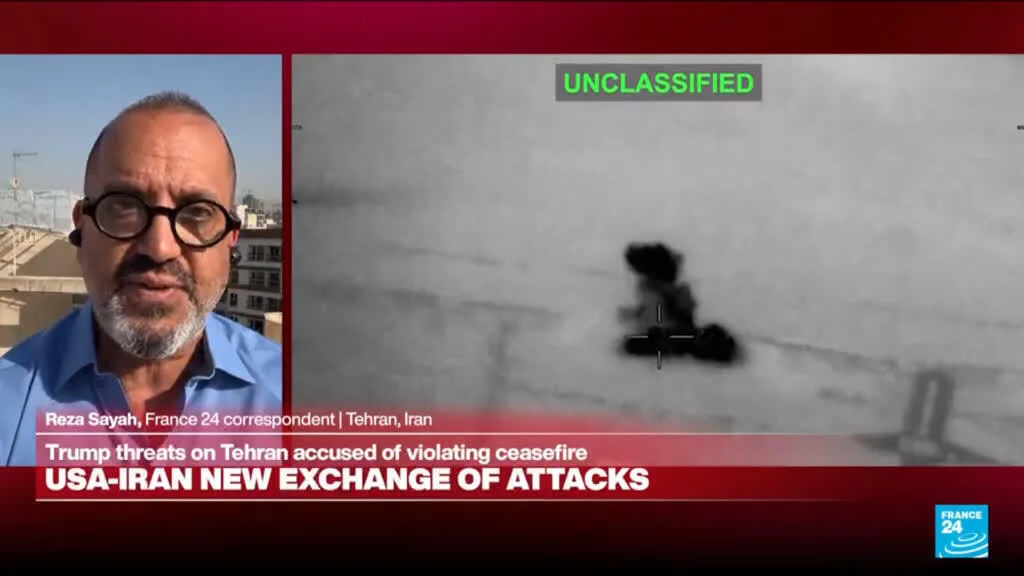
A dangerous new escalation in the Middle East saw Iran's Revolutionary Guard launch retaliatory attacks targeting Bahrain and Kuwait on Sunday, following earlier US airstrikes on ten Iranian sites. This latest exchange of hostilities directly imperils the already fragile ceasefire that has been in place, with the Islamic Republic explicitly threatening a “complete halt” to ongoing negotiations aimed at ending the conflict if Washington continues its aggressive actions. The core flashpoint appears to be renewed efforts to reopen the critical Strait of Hormuz without Iran's direct oversight, a move Tehran views as a direct challenge to its regional influence and security interests. This precarious situation has been closely monitored by international observers, including France 24 correspondent Reza Sayah, who reported on the latest developments from Tehran.
The immediate trigger for this fresh round of violence was the US's earlier targeting of Iranian positions, which Washington claimed were in response to attacks by Iran-backed groups. However, Iran's swift and direct retaliation against Gulf states, which it considers allies of the US, signifies a dangerous broadening of the conflict. The long-standing contention over the Strait of Hormuz, a vital chokepoint for global oil shipments, remains a central and highly volatile issue. Any attempt to alter its control or operational status without Iran's consent is consistently met with strong opposition, as Tehran views it as a strategic leverage point in regional and international diplomacy.
For Iranian readers, the implications of this renewed tension are immediate and tangible, particularly in the domestic financial markets. The escalating geopolitical risk has driven a significant surge in demand for foreign currency and safe-haven assets. The US Dollar, for instance, saw a notable weakening of the Toman, moving from 166,850 to 171,750 against the Iranian Rial, marking a substantial +2.9% increase in just 24 hours. Similarly, the price of Gold 18k per gram jumped from 16,530,310 to 17,003,555 Toman, also a +2.9% rise, while the Emami coin experienced an even sharper increase, climbing +3.6% from 166,000,000 to 172,000,000 Toman. These movements clearly reflect heightened investor anxiety and a flight away from local currency amidst the deepening regional uncertainty and the potential for wider conflict.
UK Households Brace for Steep Energy Bill Hikes
Households across Great Britain are facing another significant blow to their finances as the energy regulator Ofgem announced a substantial 13% increase in the quarterly price cap, set to take effect from July 1. This hike will push the average annual gas and electricity bill for a typical household to the equivalent of £1,862, marking the steepest summer bill surge in four years. The announcement comes just days after reports revealed that consumer energy debt in the UK had reached record highs, compounding the financial strain on millions of families already struggling with the persistent cost-of-living crisis.
The decision by Ofgem reflects the continued volatility in global energy markets and the underlying inflationary pressures that have kept wholesale gas and electricity prices elevated. While governments worldwide have attempted various subsidies and interventions, the fundamental costs associated with energy generation and supply remain high. Ministers in the UK are now facing intensified pressure from consumer groups and opposition parties to introduce more robust measures to curb these spiraling energy costs. The concern is that without significant intervention, the rise in energy bills will push more households into energy poverty and exacerbate the broader economic slowdown.
This significant increase in energy costs carries profound implications for the UK economy and the daily lives of its citizens. Higher utility bills will inevitably squeeze household budgets further, leading to reduced discretionary spending across other sectors and potentially dampening economic growth. The surge in consumer energy debt also poses a systemic risk, as more families struggle to meet essential payments. This situation highlights the ongoing challenge for major economies to balance energy security, affordability, and climate goals, often forcing difficult trade-offs that directly impact the well-being of their populations and the overall economic outlook.

Rescuers Race Against Time in Venezuela Aftershocks
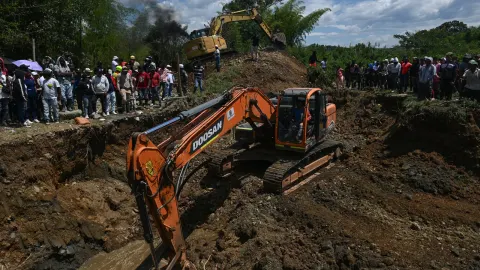
In a glimmer of hope amidst widespread devastation, two young boys were successfully rescued from the rubble in Venezuela after being trapped for several days following a series of devastating earthquakes. Rescuers reportedly spent six grueling hours carefully digging to reach one of the boys, a testament to their unwavering determination. However, the broader rescue effort across the Venezuelan coast continues to be plagued by chaos and delays, with many residents still resorting to searching through debris by hand, desperately awaiting the arrival of heavy machinery that remains scarce.
The twin earthquakes that rocked the Venezuelan coast days prior unleashed widespread destruction, collapsing buildings and trapping countless individuals. The ongoing aftershocks have not only added to the psychological trauma but also severely complicated rescue operations, making unstable structures even more perilous for search teams. The lack of adequate heavy equipment and organized relief infrastructure in many affected areas has significantly hampered the ability to conduct swift and effective search-and-rescue missions, further diminishing the already slim chances of finding more survivors as time progresses.
This unfolding humanitarian crisis underscores the devastating impact of natural disasters, particularly in regions that may lack the robust resources and logistical capabilities for rapid, large-scale emergency response. The prolonged suffering of those trapped and the anguish of their families highlight the critical need for international aid and coordinated disaster relief efforts. Beyond the immediate tragedy, such events place immense strain on a nation's infrastructure, economy, and social fabric, requiring long-term recovery efforts that can span years and demand substantial global support.
Tehran Unveils Memorial for Martyr Kharrazi
In a significant cultural and political event in Tehran, a memorial book dedicated to martyr Seyyed Kamal Kharrazi was officially unveiled. The ceremony, held on June 28, 2026, was meticulously organized by the Iran Cultural and Press Institute in conjunction with IRNA, the official news agency. The event drew a notable gathering of prominent political and cultural figures, underscoring the importance and reverence accorded to martyr Kharrazi within the Iranian establishment and society.
The unveiling of such a memorial is part of a broader, ongoing national effort within Iran to honor figures deemed pivotal to the country's revolutionary and historical narratives. These commemorations serve not only to preserve the memory of individuals like Seyyed Kamal Kharrazi but also to reinforce the ideological foundations and values that underpin the Islamic Republic. By bringing together influential personalities from various sectors, the event serves as a public reaffirmation of national unity and adherence to revolutionary ideals, ensuring that the legacy of such martyrs continues to resonate with contemporary generations.
For a domestic Iranian audience, events like these play a crucial role in consolidating national identity and fostering a sense of collective memory and purpose. They provide a platform for reflecting on the sacrifices made for the nation and for reiterating core principles. Internationally, while primarily an internal affair, such cultural engagements offer a glimpse into the state's efforts to maintain ideological continuity and public support through the celebration of its historical heroes and the narratives associated with them.
AI's Growing Role in Healthcare: Reshaping Treatment Plans
A burgeoning discussion in the healthcare sector, highlighted by MarketWatch, centers on the transformative potential of artificial intelligence to redefine treatment plans, advocating for clinicians and AI-driven diagnostic tools to hold primary sway over health insurers. The core argument posits that with comprehensive digital health records, medical professionals, augmented by advanced AI systems, would be equipped to access a patient's full medical history and current condition, thereby enabling more informed and personalized treatment decisions. This approach aims to shift the power dynamic from administrative cost-cutting to evidence-based, patient-centric care.
The rapid evolution of AI technology, coupled with the increasing adoption of digital health record systems, is driving this paradigm shift. AI algorithms are becoming increasingly adept at analyzing vast datasets, identifying subtle patterns, and predicting outcomes with a level of precision that can surpass human capabilities in certain diagnostic areas. This technological leap offers the promise of more accurate diagnoses, highly customized treatment protocols, and a significant reduction in medical errors, ultimately leading to improved patient outcomes and greater efficiency within the healthcare system.
The implications of AI's expanding role in healthcare are profound, potentially ushering in an era of highly personalized and preventative medicine. However, this advancement also brings forth critical considerations regarding data privacy, the ethical deployment of AI in life-or-death decisions, and the need for robust regulatory frameworks. Ensuring that AI tools are transparent, unbiased, and seamlessly integrated into clinical workflows while maintaining human oversight will be paramount. Ultimately, the goal is to leverage AI not to replace human doctors, but to empower them with unparalleled analytical capabilities, leading to a healthcare system that is both more effective and more equitable.
Watch
New US-Iran exchange of attacks threatens ceasefire • FRANCE 24 English
FRANCE 24 English
Frequently Asked Questions
What sparked the latest US-Iran exchange of attacks?
How have these tensions impacted Iranian financial markets?
What is driving the increase in UK energy bills?
What are the challenges facing rescue efforts in Venezuela?
How is AI expected to transform healthcare treatment plans?
Safe-Haven Assets: Gold, Geopolitics, and Currency Resilience
In times of heightened geopolitical tension or economic instability, investors often seek out what are known as safe-haven assets. These are investments expected to retain or even increase in value during periods of market turbulence, offering a refuge from risk when other assets, like stocks or local currencies, are depreciating. The appeal of safe havens stems from their perceived stability, liquidity, and universal acceptance, acting as a store of value when confidence in traditional financial systems wavers.
Gold is the quintessential safe-haven asset. Its long history as a medium of exchange, its limited supply, and its independence from any single government or financial institution make it a reliable choice for preserving wealth. When events like the US-Iran escalation and regional tensions emerge, as highlighted in the headline, global and local investors often flock to gold. This increased demand drives up its price, reflecting a collective flight to safety.
Specifically within Iran, the surge in the price of gold (including the local Emami coin) and the depreciation of the Iranian Toman during regional tensions illustrate this dynamic perfectly. With the Toman often under pressure from sanctions and domestic economic challenges, gold becomes a critical tool for Iranians to protect their savings from inflation and currency devaluation. The Emami coin, being a standardized gold coin, serves as a readily accessible and trusted form of gold investment within the country, making it a primary local safe haven against economic uncertainty and geopolitical risk.