ChatGPT Logs Become Court Evidence in Arson Trial; US-Iran Strikes Escalate, Driving Toman and Gold Up
اسناد چتجیپیتی مدرک دادگاهی شد؛ تشدید حملات آمریکا و ایران، رشد تومان و طلا را رقم زد
In a landmark legal development, prosecutors have used ChatGPT logs as evidence in a deadly arson trial, setting a new precedent for AI's role in legal proceedings. Simultaneously, escalating US-Iran strikes are threatening a fragile regional peace agreement, causing significant upward movement in the Toman and gold markets. Diplomatic efforts between Iran and Iraq are underway to address the rising tensions, while Venezuela grapples with a complex post-earthquake recovery amidst political friction.
At time of publishing
USD
171,650
Toman
Gold 18K
16.99M
Toman / gram
Bitcoin
$60,045
US Dollar
Tether
171,380
Toman
ChatGPT Logs Enter Court as Evidence in Landmark Arson Trial
In a groundbreaking legal development, prosecutors have utilized logs from OpenAI's ChatGPT as critical evidence in the arson trial of Jonathan Rinderknecht, who stands accused of setting the deadly Palisades fire on New Year's Day in 2025. This marks a significant moment, as AI-generated data moves from theoretical discussions about privacy and digital footprints into tangible courtroom application. The inclusion of ChatGPT logs alongside location data, security footage, and witness testimony underscores the increasingly comprehensive digital trails individuals leave and the innovative methods authorities are employing to build their cases.
This precedent-setting move has profound implications for digital privacy and legal strategy globally. For individuals, it serves as a stark reminder that interactions with AI tools, often perceived as private, can be accessed and used in legal proceedings, fundamentally altering perceptions of online anonymity. For the legal system, it opens new avenues for evidence gathering but also sparks vital debates around data ownership, the potential for AI "hallucinations" to mislead, and the ethical boundaries of leveraging such personal digital communications. For Iranian readers, this development highlights a global trend towards increased digital surveillance and the scrutiny of online activities, a topic of particular local resonance given ongoing discussions about data privacy and internet controls.
Escalating US-Iran Strikes Threaten Fragile Regional Peace, Drive Toman and Gold Higher
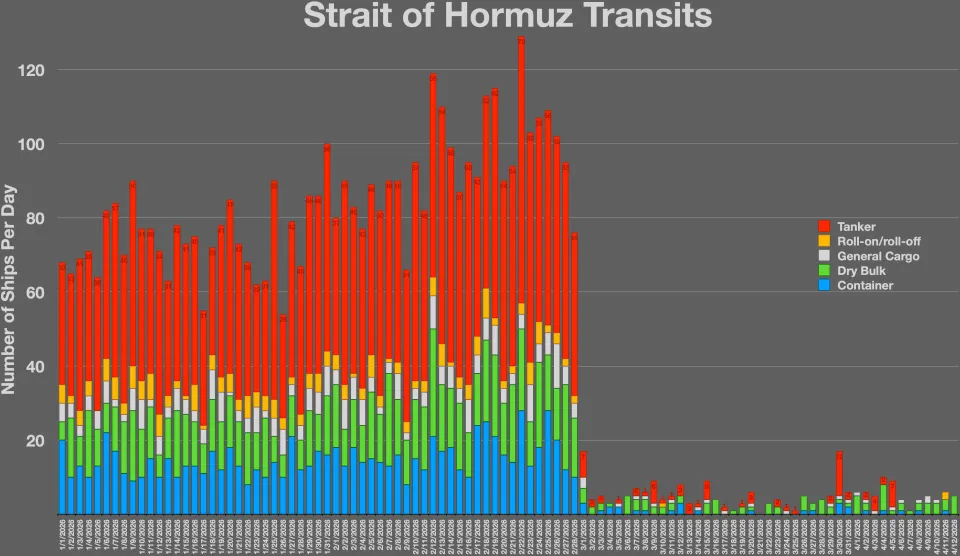
A new and alarming round of escalating strikes between Iran and the United States has further destabilized the already fragile interim peace agreement, pushing the region closer to renewed conflict. Tehran launched drone and missile attacks against Bahrain and Kuwait following recent US strikes on sites in southern Iran, while former President Donald Trump issued a grave warning, threatening severe military action that would ensure Iran "will no longer exist" if talks fail. This widening geographical scope of conflict, particularly involving key Gulf states, signals a dangerous escalation that could impact vital global shipping lanes, including the Strait of Hormuz.
The immediate economic impact is palpable. The Iranian Toman has weakened significantly, with the USD moving from 166,850 to 171,650, marking a 2.9% increase against the national currency in the last 24 hours. Similarly, the price of 18k gold per gram surged from 16,530,310 to 16,993,628 Toman (+2.8%), and the Emami coin jumped from 166,000,000 to 173,000,000 Toman (+4.2%). These market movements directly reflect heightened geopolitical risk and investor uncertainty, as concerns grow over potential disruptions to global oil supplies and regional trade. For Iranian citizens, such instability translates into higher costs of living and erosion of purchasing power, emphasizing the direct link between geopolitical tensions and everyday economic realities.
Iran-Iraq Diplomacy Seeks Stability Amid Regional Turmoil
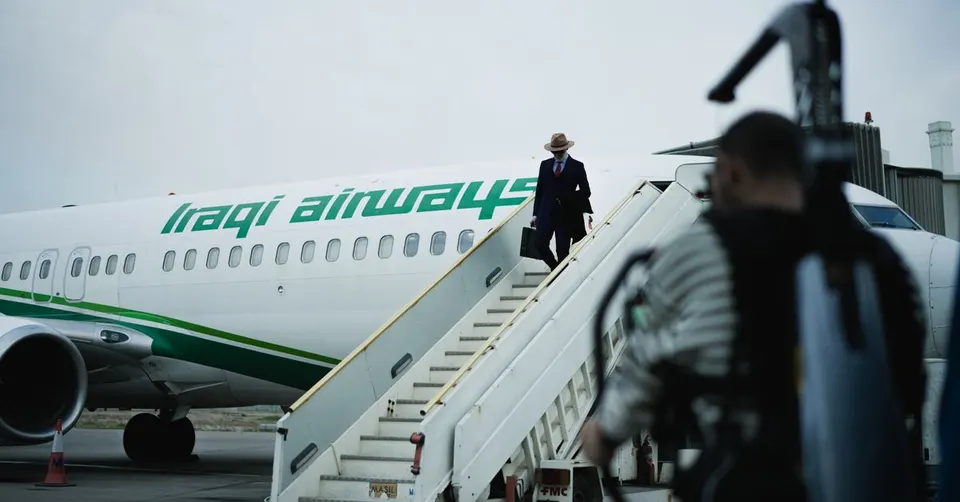
Against the backdrop of escalating regional tensions, Iranian Foreign Minister Abbas Araghchi met with Iraqi Prime Minister Ali al-Zaidi in Baghdad on Sunday. The high-level discussions focused on strengthening bilateral ties and exploring regional initiatives aimed at promoting security and stability. This diplomatic engagement is particularly crucial as it occurs immediately after the latest round of US-Iran strikes, positioning Iraq as a potential conduit for de-escalation.
Iraq, sharing a long and complex border with Iran and hosting a significant US military presence, often finds itself at the epicenter of regional geopolitical dynamics. Its role as a mediator or facilitator of dialogue is vital for managing crises and preventing wider conflict. For Iran, fostering robust diplomatic and economic ties with its neighbor is essential for projecting regional influence, securing trade routes, and mitigating the broader impacts of external pressures. Such efforts, if successful, could help stabilize the regional environment, offering some respite from the pervasive uncertainty that affects markets and public confidence.
Venezuela Grapples with Quake Aftermath and Political Friction
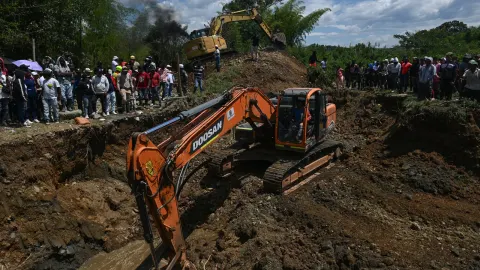
Venezuela continues to battle the devastating aftermath of twin earthquakes, with rescue efforts facing chaos and delays as the chances of finding survivors diminish. In a poignant display of international support, dozens of specially trained dogs have joined the search, meticulously sifting through mounds of collapsed debris to locate any signs of life. This humanitarian crisis adds another layer of complexity to a nation already struggling with profound political and economic challenges.
Simultaneously, reports indicate growing frustration among U.S. officials regarding the timing of calls for help from María Corina Machado, the exiled leader of the Venezuelan opposition. While Machado hopes to return home, U.S. officials reportedly view her appeals as ill-timed, potentially disrupting delicate diplomatic efforts or exacerbating internal political divisions at a moment when humanitarian aid should be the sole focus. This dynamic underscores the intricate interplay between natural disasters, internal politics, and international relations, highlighting how humanitarian crises can be complicated by existing geopolitical tensions and the varied approaches international actors take in supporting or intervening in sovereign nations.

, Public domain]
Frequently Asked Questions
How are ChatGPT logs being used as evidence in court?
What does the escalation in US-Iran strikes mean for global oil prices?
Why is the meeting between Iran's Foreign Minister and Iraq's Prime Minister significant now?
How do geopolitical tensions like US-Iran strikes affect the Iranian Toman and gold market?
What are the implications of using AI data in legal cases for personal privacy?
Geopolitical Instability's Impact on Currency and Safe-Haven Assets
Geopolitical instability, such as escalating international tensions or regional conflicts, often has profound and predictable effects on a nation's economy, particularly its currency and the demand for safe-haven assets like gold. When political risks rise, uncertainty permeates markets, causing investors and citizens alike to seek security for their wealth. This flight to safety is a fundamental economic reaction to perceived threats to stability and future prosperity.
One immediate consequence of heightened geopolitical risk is the depreciation of the local currency. As fear of economic disruption or sanctions grows, both domestic and international investors may lose confidence in the local economy. They tend to convert their holdings from the local currency into more stable foreign currencies, such as the US dollar, or into tangible assets. This increased selling pressure on the local currency, coupled with a reduced demand for it, leads to a decline in its exchange rate against major global currencies, effectively making imports more expensive and eroding purchasing power.
Conversely, periods of geopolitical tension almost invariably lead to a surge in the price of safe-haven assets, with gold being the quintessential example. Gold has historically been regarded as a reliable store of value, especially during times of economic or political turmoil, precisely because its value is not tied to any single government or financial institution. When traditional investments like stocks or bonds become volatile, or when confidence in fiat currencies wanes, investors flock to gold, driving up its demand and, consequently, its market price. This phenomenon reflects a universal human desire to preserve wealth against unforeseen risks.