Tragedy in France: Eleven Die in Skydiving Plane Crash
تراژدی در فرانسه: سقوط هواپیمای سقوط آزاد، یازده نفر کشته شدند
A skydiving plane crash in eastern France has claimed eleven lives, raising concerns over aviation safety. Meanwhile, tensions escalate in the Middle East with Trump's threats towards Iran and financial controversies in the UK.
At time of publishing
USD
172,750
Toman
Gold 18K
17.10M
Toman / gram
Bitcoin
$59,656
US Dollar
Tether
172,346
Toman
Eleven Killed in French Skydiving Plane Crash
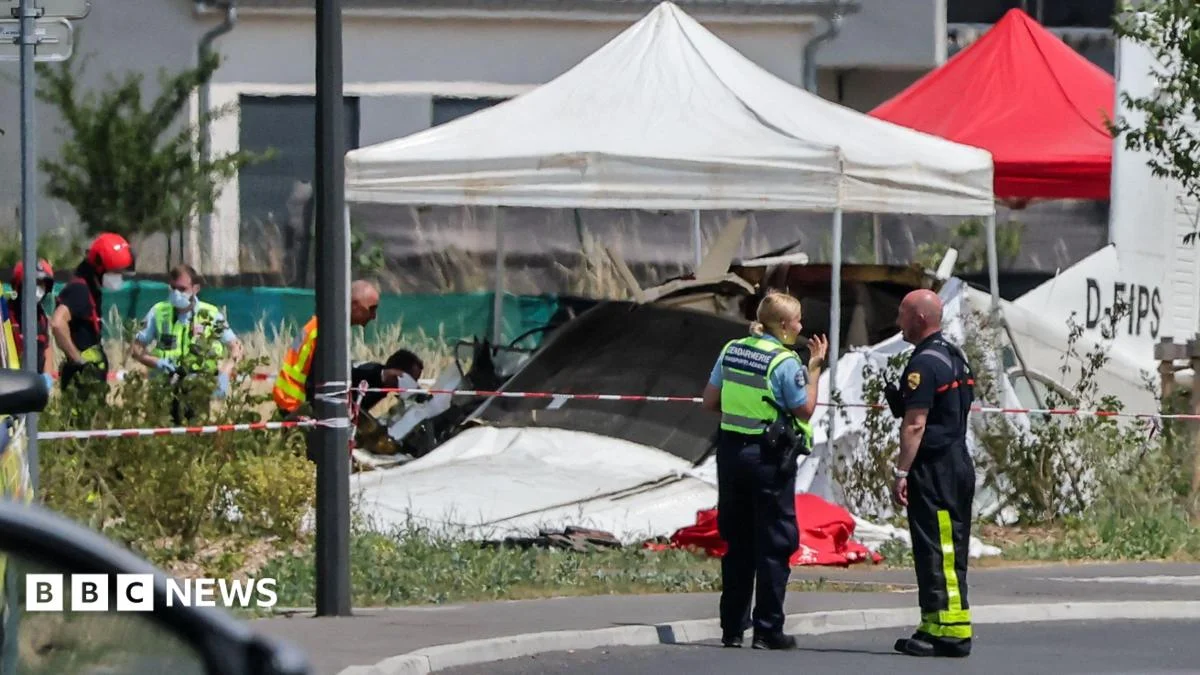
In a tragic incident, a plane carrying skydivers crashed in eastern France, resulting in the deaths of eleven people, including the pilot. Local officials have confirmed that the small aircraft went down shortly after takeoff from a regional aerodrome. The skydiving community and local authorities are in shock as investigations begin to determine the cause of the crash. The incident has cast a shadow over what was supposed to be a day of adventure and excitement, turning it into a day of mourning.
This crash has reignited conversations around aviation safety, particularly for small aircraft used for recreational activities like skydiving. With the aviation industry already facing scrutiny over safety standards, this incident is expected to prompt a thorough review by regulators. The impact on regional aviation businesses could be significant, as safety concerns may deter tourists and enthusiasts from engaging in skydiving activities.
Trump Threatens Iran Amidst Hormuz Tensions
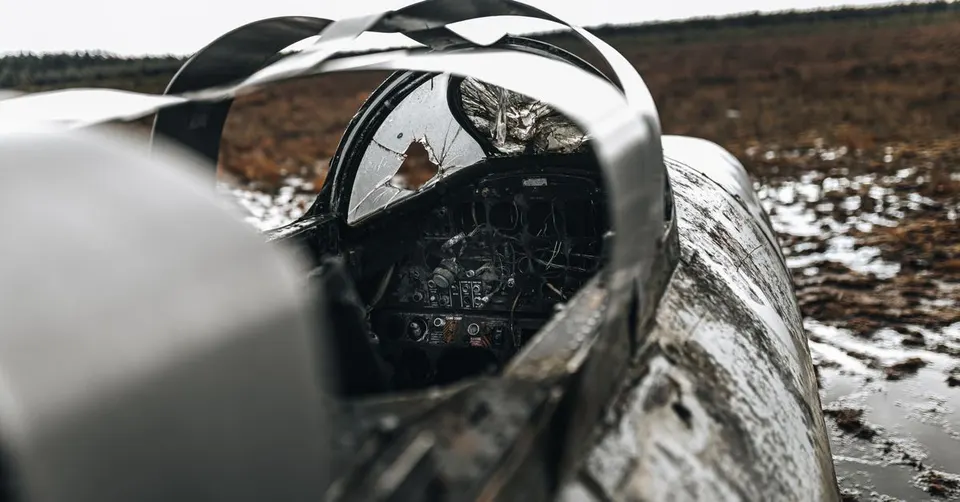
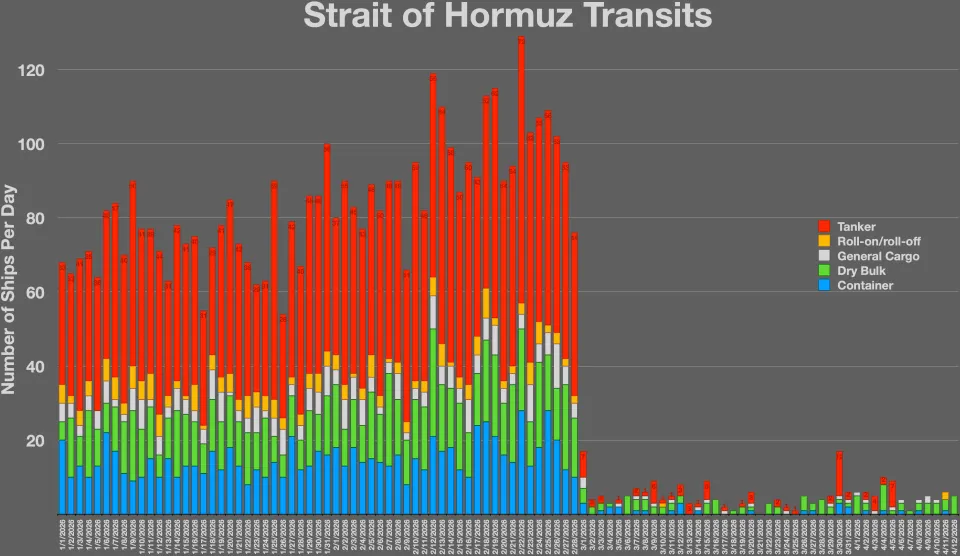
Former U.S. President Donald Trump has issued a stark warning to Iran, threatening military action following a series of exchanges over the Strait of Hormuz. This comes after Iran launched drone and missile attacks on Bahrain and Kuwait in retaliation for U.S. strikes on Iranian targets. The escalating conflict has imperiled the fragile ceasefire agreement between the two nations, with both sides accusing each other of violations.
Tensions in the Strait of Hormuz, a critical oil shipping route, have significant implications for global energy markets. Any disruption could lead to spikes in oil prices, affecting economies worldwide. For Iran, the conflict poses risks to its regional influence and economic stability, particularly as sanctions continue to strain its economy. Observers are closely watching the situation, as further military actions could destabilize the already volatile Middle East region.
UK Public Spending Under Scrutiny for Private Equity Involvement
A recent analysis by The Guardian has revealed that one in every eleven pounds spent by the UK government on public contractors goes to private equity-run firms. This trend, described as a 'financial pandemic,' highlights the increasing influence of private equity in public services, including healthcare, transport, and waste management. Concerns have been raised about the financial fragility and cost-cutting measures that often accompany private equity ownership.
The involvement of private equity in public services is controversial, with critics arguing that profit motives can conflict with public service objectives. The potential for reduced service quality and increased costs to the public is a point of contention among politicians and economists. This scrutiny may lead to calls for regulatory reforms to ensure that public funds are used in the best interests of citizens, potentially reshaping how public contracts are awarded in the future.
Ghalibaf Highlights End of War in Lebanon as Key in Iran-US MoU
Iranian Parliament Speaker Mohammad Bagher Ghalibaf has emphasized that ending the war in Lebanon is a crucial component of the Islamabad Memorandum of Understanding between Iran and the United States. This MoU aims to ensure Lebanon's sovereignty and territorial integrity as part of broader regional stabilization efforts. Ghalibaf's statement underscores Iran's commitment to diplomatic solutions in the Middle East, even as tensions with the U.S. remain high.
The focus on Lebanon reflects Iran's strategic interests in maintaining its influence in the region, particularly in light of recent conflicts. Successful implementation of the MoU could bolster Iran's diplomatic standing and potentially ease some regional tensions. However, the ongoing conflict with the U.S. over the Strait of Hormuz poses a significant challenge to these efforts, making the path to peace and stability complex and fraught with obstacles.

Frequently Asked Questions
What caused the skydiving plane crash in France?
How might the Hormuz tensions affect global markets?
Why is UK public spending under scrutiny?
What is the significance of the Islamabad MoU between Iran and the US?
How does private equity involvement affect public services?
Understanding Aviation Safety and Accident Investigation
Aviation safety is a cornerstone of modern travel, ensuring that despite the inherent complexities of flight, air travel remains one of the safest modes of transportation. This remarkable safety record isn't accidental; it's the result of continuous, rigorous efforts by international bodies, national authorities, airlines, manufacturers, and individual professionals. From stringent aircraft design and manufacturing standards to comprehensive pilot training, meticulous maintenance protocols, and sophisticated air traffic control systems, every aspect of aviation is subject to layers of safety measures designed to prevent incidents and accidents.
Central to maintaining and improving this safety record is the process of accident investigation. When an aviation incident or accident occurs, independent investigative bodies – such as France's Bureau d'Enquêtes et d'Analyses (BEA) or the U.S. National Transportation Safety Board (NTSB) – are immediately deployed. Their primary mission is not to assign blame, but to thoroughly determine the "who, what, when, where, why, and how" of the event. This involves collecting vast amounts of data, analyzing flight recorders (black boxes), examining wreckage, interviewing witnesses, and recreating sequences of events.
The ultimate goal of these investigations is to identify the root causes of the accident. These causes can be multifaceted, ranging from mechanical failures, design flaws, and human error (pilots, air traffic controllers, maintenance personnel) to environmental factors or systemic organizational deficiencies. By precisely understanding why an accident happened, investigators can formulate safety recommendations. These recommendations are crucial; they drive changes in aircraft design, operational procedures, training curricula, and regulatory frameworks.
For instance, an investigation might lead to a mandate for stronger structural components, revised flight checklists, new training for handling specific emergencies, or updates to air traffic control protocols. This iterative process of learning from every incident, no matter how minor, is what continuously enhances aviation safety. It transforms tragic events into invaluable lessons that protect future passengers and crew, solidifying air travel's reputation as a highly secure means of transport.