British Fugitive Arrested in Suitcase Murder as Toman Plummets 4.9% Amid Regional Missile Strikes
بازداشت متهم قتل چمدانی در اکوادور همزمان با سقوط ۴.۹ درصدی ارزش تومان در پی حملات موشکی منطقه
A British man has been apprehended in Ecuador for a brutal murder in Colombia, while Iranian markets face a severe shock as the Toman drops nearly 5% following missile strikes on regional US bases.
At time of publishing
USD
174,950
Toman
Gold 18K
17.25M
Toman / gram
Bitcoin
$59,551
US Dollar
Tether
174,550
Toman
British Fugitive Arrested in Ecuador Following Bogota Suitcase Discovery
The international manhunt for Matthew Ashley Foster-Smith, a British national from Dorset, has come to a dramatic conclusion in Ecuador. Foster-Smith is the primary suspect in the brutal killing of 36-year-old Natalia Villalba, whose body was discovered hidden inside a suitcase in an apartment in the upscale Chicó neighborhood of Bogotá earlier this month. The arrest marks a significant breakthrough for Colombian and Ecuadorian authorities who have been coordinating through Interpol to track the suspect across South American borders after he fled the crime scene on June 18.
This case has gripped the international community, highlighting the complexities of cross-border criminal investigations in the region. For the families involved and the residents of Bogotá, the capture of Foster-Smith brings a grim sense of closure to a story that has dominated local headlines. However, the legal proceedings are just beginning, as Colombian officials prepare for a complex extradition process to bring the suspect back to face trial for the murder. The case has also raised questions about the safety of foreign nationals and the efficacy of regional law enforcement cooperation in tracking high-profile fugitives.

Toman Plummets 4.9% as Regional Tensions Reach Breaking Point
The Iranian currency market is experiencing a severe shock this evening as the Iranian Toman saw a significant devaluation. The USD/IRR rate surged from 166,850 to 174,950, representing a sharp 4.9% increase in a single day. This volatility is directly linked to the deteriorating security situation in the Persian Gulf. Following recent U.S. strikes, Tehran has reportedly launched missiles and drones at military bases in Bahrain and Kuwait that host American forces. This escalation has effectively shattered hopes for a quick de-escalation and has placed the Strait of Hormuz, a vital artery for global oil, at the center of a potential blockade.
The ripple effects are being felt across all domestic asset classes. Gold 18k per gram jumped 4.4% to reach 17,249,873 Toman, while the Emami coin rose by 4.2% to a staggering 173,000,000 Toman. For Iranian households, these numbers translate to immediate inflationary pressure and a flight to hard assets. The "wait and see" approach of previous weeks has been replaced by a sense of urgency as the regional shadow war transitions into a direct exchange of fire, leaving the central bank with limited tools to stabilize the currency amidst the geopolitical firestorm.
MicroStrategy’s $64 Billion Bitcoin Bet: Who Bears the Risk?
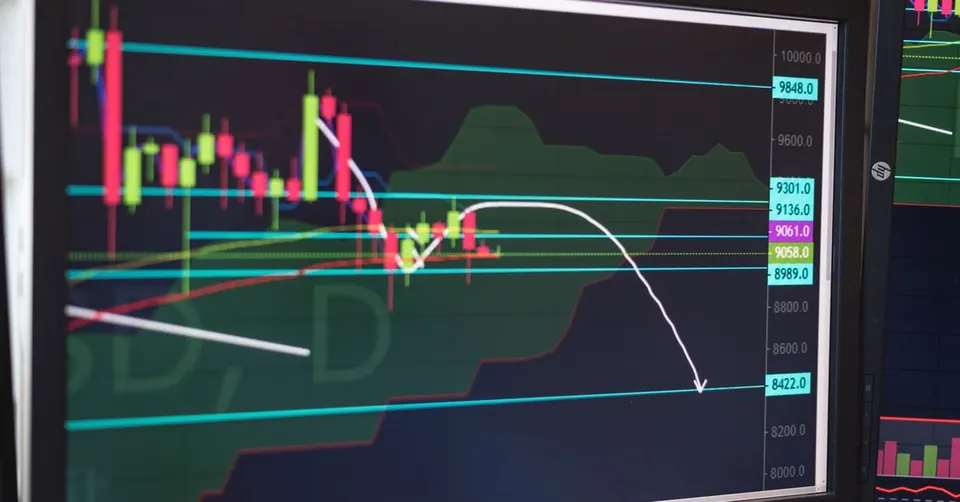
As Bitcoin hovers around the $59,551 mark, the massive $64 billion bet by MicroStrategy is coming under renewed scrutiny. Michael Saylor has signaled his intention to continue purchasing the digital asset, even as the company's strategy reportedly sits roughly $13 billion underwater based on recent filings. This aggressive accumulation has turned MicroStrategy into a de facto Bitcoin ETF, but one with significant corporate debt. The question now being asked by analysts is no longer whether Bitcoin will recover, but who pays the price if the market experiences a prolonged downturn that forces a liquidation of these massive holdings.
The systemic risk posed by such a large single-holder concentration cannot be ignored. If MicroStrategy were forced to sell its holdings to cover debt obligations, the resulting sell pressure could trigger a "death spiral" for Bitcoin prices, affecting millions of retail investors and institutional portfolios globally. While Saylor remains a staunch advocate for the "halving cycle" theory, the current macroeconomic environment of high interest rates and regional instability is testing the limits of corporate crypto-maximalism. For the broader market, the health of MicroStrategy is now inextricably linked to the stability of the entire crypto ecosystem.
Iran Demands Justice for Sardasht Victims on 39th Anniversary
On the 39th anniversary of the chemical bombing of Sardasht, Iran has once again called for international accountability. Foreign Ministry spokesperson Esmaeil Baqaei emphasized that the perpetrators and their foreign backers—who provided the chemical weapons used by the Ba'ath regime—must face justice. This anniversary serves as a somber reminder of the long-term human cost of regional conflicts and the perceived double standards in international law regarding war crimes. The statement reiterated that the scars of Sardasht remain a central part of Iran's diplomatic stance on chemical weapons and international justice.
The commemoration comes at a time of heightened diplomatic activity. Foreign Minister Abbas Araghchi is currently in Baghdad, coordinating regional security discussions and funeral arrangements for the martyred Leader of the Islamic Revolution. The overlap of these historical grievances with current military tensions underscores the deep-rooted nature of the friction between Iran and Western-backed regional structures. For Tehran, the pursuit of justice for Sardasht is not just about the past; it is a central pillar of its current foreign policy rhetoric against foreign intervention and military escalation in the Middle East.
Frequently Asked Questions
Why did the Iranian Toman drop nearly 5% in value today?
What is the status of the British national arrested in South America?
How deep is MicroStrategy's current loss on its Bitcoin investment?
How Geopolitical Instability Impacts Currency Exchange Rates
Currency exchange rates are often seen as a barometer of a nation's economic health and stability. They reflect the value of one country's currency in relation to another's, influenced by a complex interplay of economic fundamentals, interest rates, trade balances, and crucially, geopolitical events. When a region experiences heightened instability, such as missile strikes or escalating conflicts, the ripple effects can quickly manifest in a currency's value, often leading to rapid depreciation.
The primary mechanism through which geopolitical instability erodes currency value is a loss of investor confidence. Uncertainty breeds risk aversion, prompting both domestic and international investors to withdraw capital from the affected region in search of safer havens. This phenomenon, known as capital flight, directly reduces the demand for the local currency. Furthermore, increased geopolitical risk can disrupt trade routes, impede foreign direct investment, and make a country's exports less competitive, all of which diminish the inflow of foreign currency and further weaken the local unit.
Moreover, governments facing conflict may resort to increased spending on defense, often financed by borrowing or printing more money. This can fuel inflation, which inherently devalues the currency's purchasing power. The cumulative effect of capital flight, trade disruptions, and inflationary pressures creates a vicious cycle where instability feeds further currency depreciation, making imports more expensive and eroding the wealth of citizens.
Understanding this direct link is vital for anyone observing global markets. The plummeting of the Toman, as mentioned in the headline, serves as a stark real-world illustration of how regional tensions and security concerns can swiftly translate into tangible economic consequences, impacting everything from daily purchasing power to long-term investment prospects. It underscores that economic stability is deeply intertwined with political and security stability.