Miracle Rescue in Venezuela Amidst 4.9% Toman Surge and Strategic Hormuz Posturing
نجات معجزهآسای کودک ونزوئلایی همزمان با جهش ۴.۹ درصدی دلار و بنبست راهبردی در هرمز
Rescuers pull an 11-year-old boy from earthquake rubble in Venezuela, offering a rare moment of hope as Iran's domestic markets face a sharp 4.9% currency devaluation. Meanwhile, Tehran prepares for high-level foreign delegations while maintaining a firm grip on the Strait of Hormuz to secure leverage in stalled peace talks.
At time of publishing
USD
174,950
Toman
Gold 18K
17.25M
Toman / gram
Bitcoin
$59,536
US Dollar
Tether
173,300
Toman
A Miracle in La Guaira: 11-Year-Old Pulled from the Deep
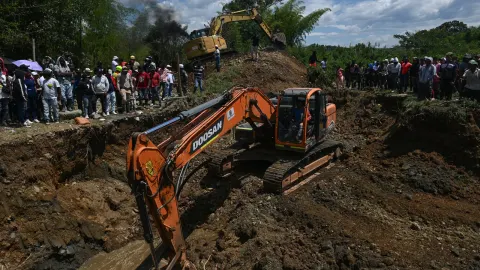
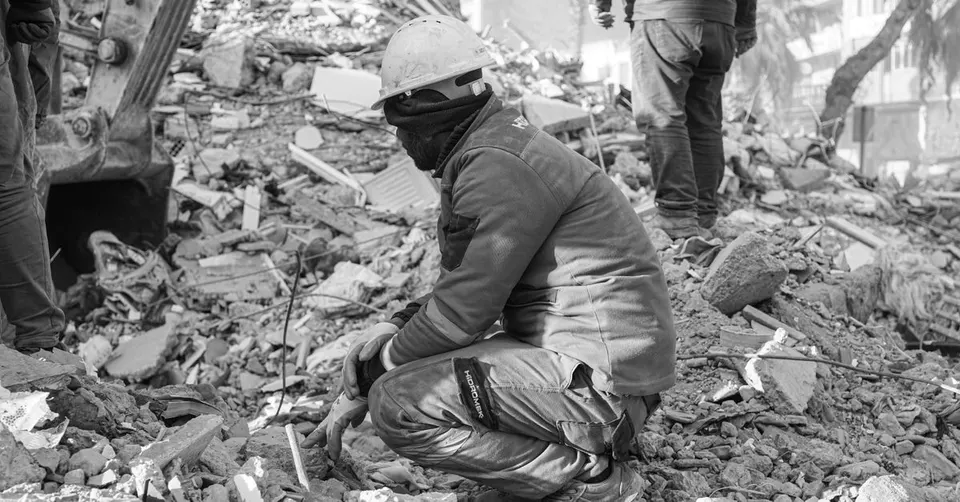
In a week dominated by geopolitical friction and economic volatility, a glimmer of human resilience emerged from the devastation in Venezuela. A Colombian rescue team, working tirelessly for over six hours, successfully recovered 11-year-old Moises from beneath nearly ten feet of concrete and debris in the coastal town of La Guaira. The rescue, captured in a viral video that has touched hearts globally, comes more than three days after twin earthquakes shattered the Venezuelan coast. The window for finding survivors is rapidly closing, and rescuers are currently battling frequent aftershocks and logistical chaos to reach those still missing.
This survival story is more than just a headline; it serves as a stark reminder of the mounting humanitarian crises facing regions with fragile infrastructure. As the chances of finding more survivors diminish, the international community's focus is shifting toward the long-term recovery of a nation already crippled by economic instability. For global observers, the Venezuelan quake is a reminder of how natural disasters can suddenly shift the focus of regional powers, drawing resources away from political maneuvering toward essential survival and rebuilding efforts.
---
Iran’s Strategic Leverage and the Funeral of a Leader
In Tehran, the political landscape is shifting as the nation prepares for the arrival of foreign dignitaries. First Vice President Mohammad Reza Aref announced that international delegations will begin arriving on Friday to participate in the funeral ceremonies for the martyred Leader of the Islamic Revolution, Ayatollah Seyyed Ali Khamenei. This comes as Foreign Minister Abbas Araghchi continues high-level diplomatic coordination in Baghdad, meeting with Iraqi President Nizar Amidi and National Security Advisor Qasim al-Aboudi to ensure regional security and stability during this sensitive transition period. The funeral is expected to be a massive geopolitical event, drawing leaders from across the region and testing the strength of Iran's diplomatic ties.
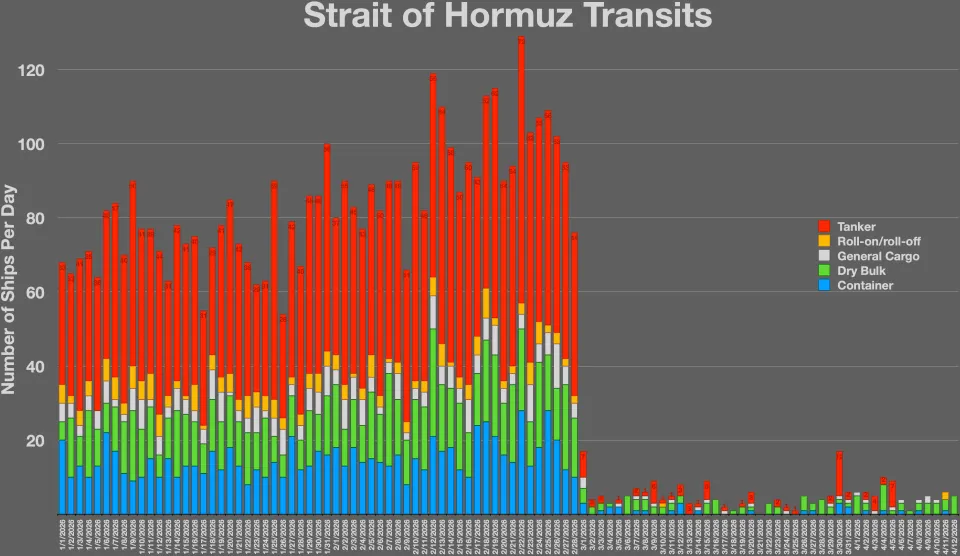
Behind the scenes of these ceremonies, however, a more calculated game of chess is being played. Iran is signaling that it views its control over the Strait of Hormuz as non-negotiable leverage in its ongoing, albeit strained, peace talks with the United States. Reports suggest that Tehran is willing to risk the current fragile cease-fire to maintain its dominance over this vital maritime artery. For the global economy, this posturing is a double-edged sword; while it secures Iran’s seat at the negotiating table, it keeps the threat of a global energy supply disruption permanently on the horizon, contributing to the persistent volatility seen in oil and gold markets.
---
Market Tipping Point: Toman and Gold Witness Sharp Gains
The Iranian domestic market reacted sharply to the combined pressure of regional uncertainty and political transition. Over the last 24 hours, the USD/IRR exchange rate moved from 166,850 to 174,950, representing a significant 4.9% jump. This rapid devaluation of the Toman reflects a broader market anxiety as investors seek safety in hard currency. Similarly, the price of 18k gold rose from 16,530,310 to 17,249,873 Toman per gram (+4.4%), while the Emami coin surged from 166,000,000 to 173,000,000 Toman (+4.2%). These movements indicate that the domestic economy is at a tipping point, with the public hedge against inflation reaching new heights.
Globally, the markets are equally on edge. Bitcoin is currently holding near its 52-week low in a state of bearish consolidation at $59,536, while gold on the international stage remains elevated at $4,090.60 per ounce. Analysts suggest that the escalation of U.S.-Iran tensions, combined with the upcoming U.S. jobs data, has created a perfect storm of uncertainty. For the Iranian reader, this means that the cost of imports and the general price level are likely to face upward pressure in the coming weeks, especially if the current geopolitical deadlock regarding the Strait of Hormuz is not resolved through the diplomatic channels currently being explored in Baghdad.
---
Tech Reality Check: Ford Rehires Humans After AI Shortfall
In a surprising pivot for the automotive industry, Ford Motor Company has begun rehiring its veteran "gray beard" engineers after finding that artificial intelligence could not fully replace human expertise in product quality control. The company admitted that the initial push to automate complex engineering processes led to a decline in quality, forcing a return to traditional methods. Ford’s leadership noted that they had mistakenly believed AI alone could produce a high-quality product without the nuanced oversight that only decades of experience can provide. This move highlights a growing trend in the tech world: a realization that AI is a tool to assist, not a complete replacement for, human intelligence.

This development is a significant signal for the future of the global labor market and the tech industry. It suggests that the "AI hype cycle" may be entering a phase of correction, where companies prioritize specialized human knowledge over pure algorithmic efficiency. For investors in the tech sector, this serves as a cautionary tale about over-reliance on emerging technologies. As industries from manufacturing to finance integrate AI, the Ford case study will likely be cited as a reason to maintain a balanced approach, ensuring that the "human in the loop" remains a central part of the production and decision-making process.
Frequently Asked Questions
Why did the Iranian Toman drop 4.9% against the USD today?
What is the significance of the 11-year-old boy's rescue in Venezuela?
Why is Ford rehiring human engineers instead of using AI?
Understanding Iran's Dual Exchange Rate System
Iran’s currency market is split into two distinct channels: the official rate set by the Central Bank and the parallel (or black‑market) rate that reflects real supply‑and‑demand conditions. The official rate is used for government transactions, essential imports, and contracts that are sanctioned, while the parallel rate determines the price most Iranians pay for everyday goods, foreign travel, and gold. Because sanctions limit Iran’s access to foreign currency and restrict official channels, the gap between the two rates can widen dramatically, as seen in the 4.9% surge of the Toman in June 2026.
The dual system creates several economic distortions. Importers who can access the official rate enjoy a cheaper dollar, giving them a competitive edge over firms forced to buy at the higher parallel rate. This fuels arbitrage opportunities, encourages corruption, and drives inflation as the higher parallel rate feeds into the price of imported food, medicine, and fuel. Moreover, a weak parallel rate often pushes Iranians to buy gold as a hedge, which explains the sharp rise in gold prices within the country.
Sanctions are the primary catalyst for the dual‑rate structure. Restrictions on Iranian banks limit their ability to transact in dollars and euros, forcing the market to rely on informal networks and currency brokers. The Central Bank periodically intervenes—selling foreign reserves to prop up the official rate—but these measures are limited by the dwindling reserves and the need to prioritize essential imports. Over time, the persistent devaluation erodes purchasing power, prompting the government to adjust the official rate, sometimes dramatically, in an attempt to narrow the spread.
Understanding this system is crucial for anyone analyzing Iran’s macro‑economic outlook, investment climate, or the geopolitical leverage Iran holds over chokepoints like the Strait of Hormuz. A widening exchange‑rate gap can signal deeper economic stress, which may influence Tehran’s foreign‑policy calculations and its willingness to engage in diplomatic negotiations.