Iran Deploys Massive Reshadat Platform as U.S. Talks Signal Fragile De-escalation
نصب غول ۶۲۰۰ تنی در خلیج فارس؛ سیگنالهای متناقض در بازار نفت و دیپلماسی
Iran marks a major industrial milestone with the installation of the 6,200-ton Reshadat oil platform, just as reports emerge of a temporary 'stand down' agreement with the U.S. While equity markets respond positively to the pause in strikes, Bitcoin remains suppressed below $60,000.
At time of publishing
USD
174,850
Toman
Gold 18K
17.19M
Toman / gram
Bitcoin
$60,101
US Dollar
Tether
172,141
Toman
Iran’s Industrial Might: The Reshadat P4 Platform Goes Live
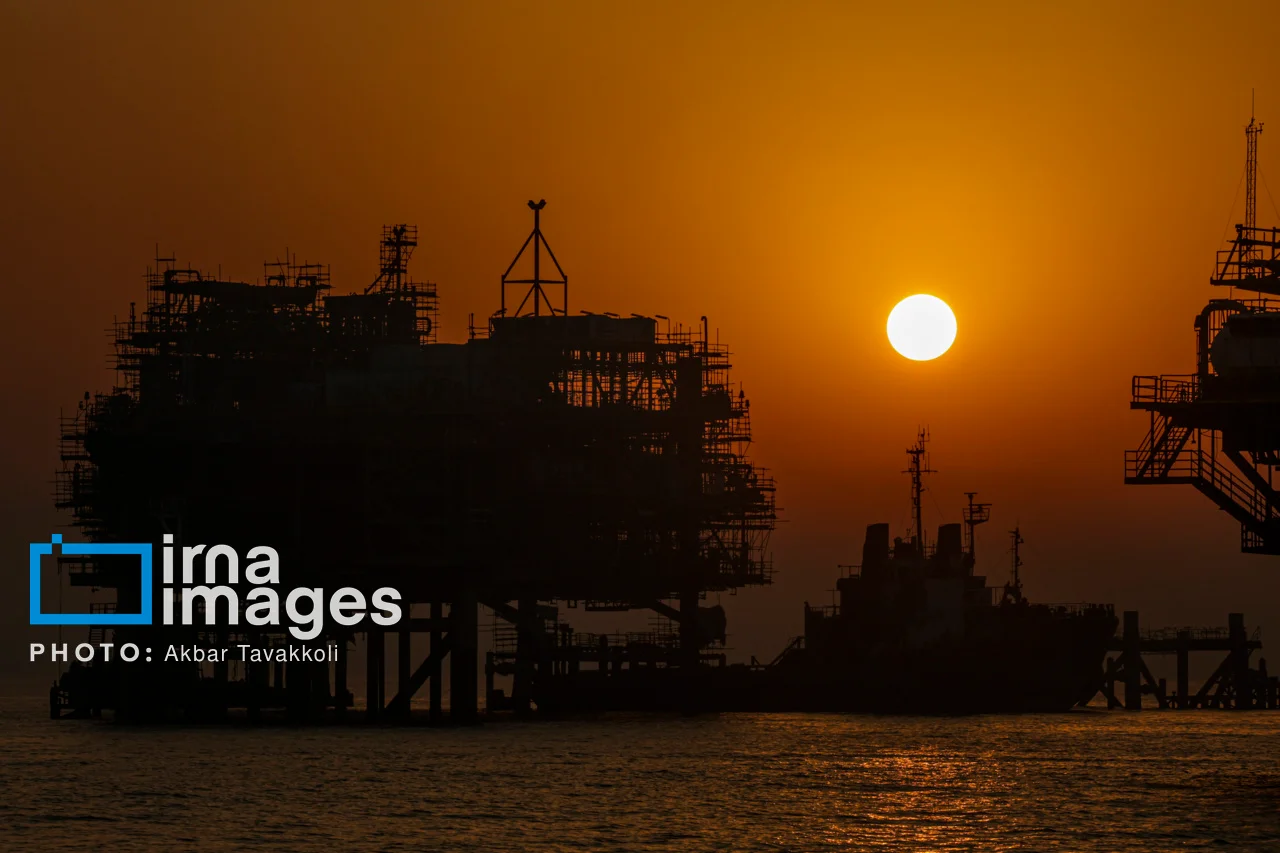
In a significant display of domestic engineering capability, Iran has successfully installed the P4 processing platform at the Reshadat oil field in the Persian Gulf. Weighing approximately 6,200 metric tons, this massive structure is one of the largest of its kind in the region. The project is particularly noteworthy because it was designed, built, and installed entirely by Iranian specialists and domestic manufacturers, signaling a high degree of self-reliance despite years of international sanctions targeting the energy sector. This development is expected to significantly bolster Iran's oil processing capacity, providing a much-needed boost to the national economy and strengthening its position in the global energy market.
For the average Iranian reader, the completion of the Reshadat platform is more than just a technical feat; it is a signal of resilience. As the country navigates complex negotiations with Western powers, the ability to maintain and expand critical infrastructure like the Reshadat field provides Tehran with essential economic leverage. Increased production capacity often translates to better fiscal stability, which could eventually ease the pressure on the national currency. However, the immediate impact on the Toman remains tied more closely to the unfolding diplomatic drama in the region than to long-term industrial gains.
A Fragile Peace: U.S. and Iran Agree to 'Stand Down'
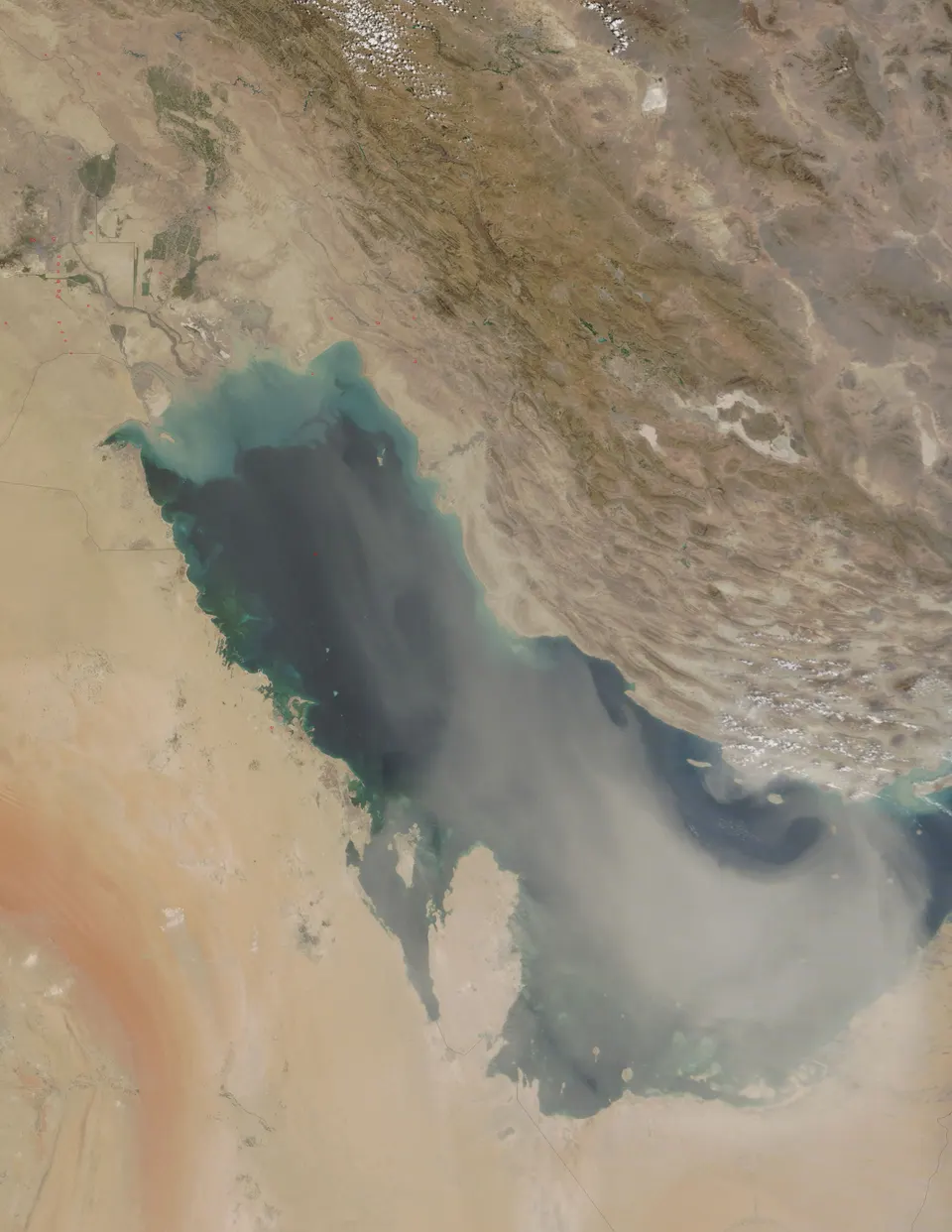
Diplomatic channels are buzzing this morning following reports that the United States and Iran have reached a tentative agreement to halt direct strikes and resume high-level talks. This "stand down" comes after a volatile weekend where both sides exchanged fire, threatening to pull the entire region into a wider conflict. According to U.S. officials, the goal is to create a 60-day window of de-escalation to allow for broader negotiations. While this has provided a temporary sigh of relief for global markets, the situation remains precarious. Analysts suggest that Iran still views its control over the Strait of Hormuz as its ultimate bargaining chip, and any perceived breach of the agreement could reignite hostilities instantly.
In the local markets, the reaction has been mixed. The USD/IRR exchange rate saw a marginal decline, moving from 174,950 to 174,850 (-0.1%), reflecting a cautious optimism. Conversely, the Emami gold coin rose from 173,000,000 to 176,000,000 (+1.7%), suggesting that local investors are still hedging against uncertainty despite the headlines of peace. This divergence highlights a lack of deep trust in the longevity of the ceasefire. Traders are essentially betting that while the guns may be silent today, the underlying geopolitical tensions that drive inflation and currency devaluation are far from resolved.

The Capital Migration: AI Infrastructure Eclipses Crypto
While the geopolitical arena is focused on the Persian Gulf, the world of high finance is witnessing a massive shift in capital allocation. South Korea’s recent $518 billion commitment to AI chip manufacturing, led by giants like Samsung and SK Hynix, is the latest proof that the "AI boom" is cannibalizing the liquidity that once fueled the crypto markets. Investors are increasingly viewing AI infrastructure—power, semiconductors, and data centers—as the "energy trade of the century." This shift has left Bitcoin struggling to maintain its footing, with the premier cryptocurrency currently holding at $60,101, failing to capitalize on the general stock market rally triggered by the Middle East de-escalation.
This trend has significant implications for retail and institutional investors alike. As billions of dollars flow into physical AI assets, speculative assets like Bitcoin and Ethereum are facing a "capital race" they are currently losing. In South Korea, the decision to pull forward chip-plant construction by a decade illustrates the urgency of this transition. For crypto holders, this means that the days of easy liquidity-driven rallies may be on hold until the massive appetite for AI-related hardware is satiated. The market is no longer just looking for digital gold; it is looking for the silicon and electricity that will power the next industrial revolution.
Global Policy Failures and Social Strain
Beyond the headlines of oil and AI, a series of policy failures in Western economies are highlighting the growing strain on global social contracts. In Australia, Victorian Premier Jacinta Allan is facing intense criticism for blaming "inflationary pressures" on massive cost blowouts in the state's $100 billion infrastructure project, despite allegations of corruption and gangland involvement. Similarly, in the UK, a report found that the HMRC wrongly cut child benefits for 23,000 families due to faulty data, failing to consider the devastating impact on citizens. These incidents, though geographically distant, reflect a broader theme of government inefficiency that contributes to global economic malaise.

For global observers, these stories serve as a reminder that inflation is often used as a political shield to mask deeper structural or ethical failures. When governments fail to manage their domestic programs effectively, it erodes public trust and creates a more volatile environment for international trade and investment. As we see in the tragic domestic violence cases and social unrest reported in Australia and elsewhere, economic pressure often manifests in social crises. For the Iranian reader, this serves as a contextual backdrop: the struggle with inflation and policy effectiveness is a global phenomenon, though the stakes and causes vary significantly from one border to the next.
Frequently Asked Questions
How significant is the Reshadat P4 platform for Iran's economy?
Why is the Emami gold coin rising while the USD/IRR falls?
Why is Bitcoin failing to rally despite the easing of Middle East tensions?
The Geopolitical Risk Premium in Oil Markets
The deployment of an oil platform in a region as strategically vital as the Persian Gulf, especially amidst delicate de-escalation talks, immediately brings into focus the concept of the geopolitical risk premium in oil markets. This premium represents the additional cost built into oil prices due to actual or perceived political instability, supply disruptions, or uncertainty in major oil-producing or transit regions. It's not just about the physical supply of oil; it's also about the market's psychological response to potential future events.
Geopolitical events, ranging from military conflicts and sanctions to diplomatic breakthroughs or even the deployment of key infrastructure, can significantly impact this premium. In regions like the Persian Gulf, home to a substantial portion of the world's proven oil reserves and critical shipping lanes like the Strait of Hormuz, any hint of tension or instability can send ripples through global energy markets. Traders and investors factor in the likelihood of supply disruptions, leading to a "risk premium" that drives prices higher, even if actual supply hasn't yet been affected. Conversely, signals of de-escalation can reduce this premium, potentially lowering prices.
The implications of this risk premium are far-reaching. Higher oil prices, fueled by geopolitical concerns, can contribute directly to global inflation, making everything from transportation to manufacturing more expensive. For countries heavily reliant on oil imports, this can strain national budgets and negatively impact their balance of payments. Moreover, for oil-exporting nations, while higher prices might seem beneficial, prolonged instability can deter investment and create long-term economic uncertainty. The USD/IRR exchange rate, for instance, would be highly sensitive to these dynamics, as Iran's economy is deeply intertwined with its oil exports and international relations.
Understanding the geopolitical risk premium is crucial for anyone tracking global economics. It highlights how seemingly distant political developments can directly influence daily costs, national economies, and even the stability of international trade. It's a constant reminder that the price of crude oil is not solely determined by supply and demand fundamentals but is also a barometer of global political health.