Strait of Hormuz Truce? Markets on Edge as U.S. Signals De-escalation Amid Iranian Silence
آتشبس در تنگه هرمز؟ سایه ابهام بر توافق تهران و واشینگتن در میان سکوت ایران
A potential breakthrough in the Persian Gulf could stabilize global energy routes, but vague diplomatic language and record-breaking Bitcoin ETF outflows are keeping investors cautious this Monday morning.
At time of publishing
USD
174,850
Toman
Gold 18K
17.25M
Toman / gram
Bitcoin
$59,972
US Dollar
Tether
171,600
Toman
Market Open — The Toman Stays Steady, Gold Coin Gains
As of 09:30 Tehran time, the domestic market is showing a mixed reaction to overnight geopolitical signals. The US Dollar (USD/IRR) saw a marginal decrease, slipping from 174,950 to 174,850 Toman, a minor drop of 0.1%. While the currency remains relatively stable, the gold market is showing more localized heat. The Emami gold coin rose by 1.7%, moving from 173,000,000 to 176,000,000 Toman, reflecting a domestic hedge against ongoing regional uncertainty despite the global gold ounce hovering around the $4,057 mark.
In the digital asset space, the mood is significantly darker. Bitcoin is struggling to maintain its footing, currently trading at $59,972. This comes on the heels of a brutal June for crypto, where nearly $4 billion was pulled from US-listed spot Bitcoin ETFs. For the Iranian trader, this creates a divergence: while the Toman remains flat, the underlying value of crypto holdings is facing its worst monthly performance on record, making the USDT/IRR rate of 171,600 a critical level to watch today.
The Hormuz 'Stand Down': Peace or a Pause?
The most significant story overnight is the reported agreement between the United States and Iran to 'stand down' from hostilities in the Strait of Hormuz. According to U.S. officials, both sides have indicated a willingness to halt the exchange of strikes that threatened a fragile two-week-old ceasefire over the weekend. The goal is to allow commercial vessels to move freely through the world’s most vital energy chokepoint, which has seen increased tension and direct military friction in recent days.
However, the situation remains precarious because Tehran has not yet officially confirmed the deal. Analysts point to the "vague language" of previous agreements as a major stumbling block. Earlier drafts required Iran to "make arrangements" for ship passage, a phrase Iran interpreted as having the right to designate specific routes, while the U.S. viewed it as a guarantee of unrestricted international access. This semantic gap is what led to the weekend's flare-up, and without a concrete, signed protocol, the current 'stand down' may be nothing more than a temporary breather.
For the global economy, the stakes couldn't be higher. Oil prices and U.S. stock futures inched higher on the news, but the market is pricing in a supply surge that isn't guaranteed. If the deal holds, we could see a significant cooling of the 'war premium' in energy prices. If it fails, the risk of a full-scale maritime blockade returns to the table, which would send the Toman and global inflation into a tailspin.
Crypto’s $4 Billion Exodus and the AI Pivot
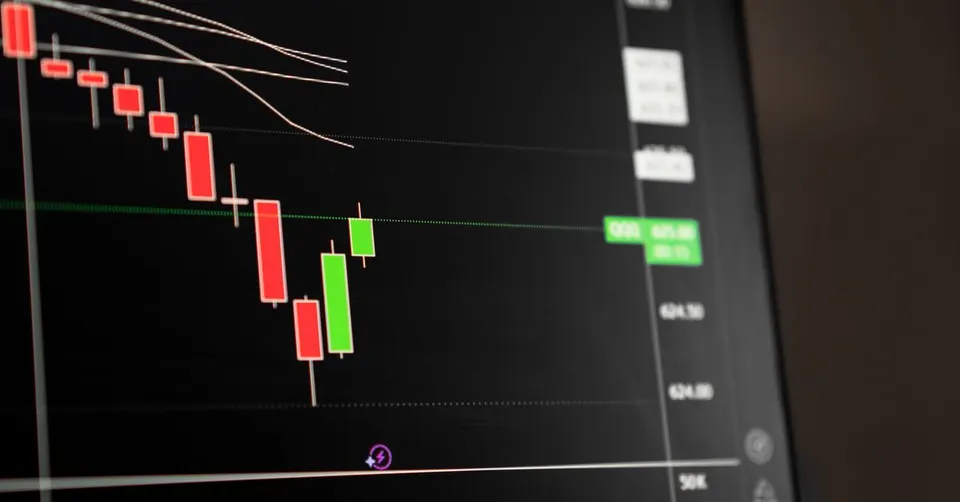
While geopolitics dominated the headlines, the financial world is reeling from a massive rotation of capital. June 2026 is on track to be the worst month in history for spot Bitcoin ETFs, with over $4 billion in outflows. This massive exit suggests that the initial institutional hype around Bitcoin has hit a wall of reality, as investors reassess their risk appetite in a high-interest-rate environment. Bitcoin’s inability to stay above the $60,000 psychological threshold has triggered a wave of liquidations, leaving the market looking for a bottom.
Interestingly, this money isn't just disappearing into cash; it’s moving into the hardware of the future. While crypto tanks, shares in chipmakers underpinning the AI boom have rocketed in the first half of 2026. Companies producing the semiconductors and memory chips required for massive AI clusters have seen their valuations triple. This represents a fundamental shift in the 'tech trade'—investors are moving away from decentralized software and speculative tokens toward the physical infrastructure of artificial intelligence.
What this means for the average investor is a period of high volatility. The 'energy trade' of the century is now a hybrid of AI power needs and traditional oil security. As firms like Bitzero attempt to solve AI's power chokepoints, the demand for stable energy—and by extension, the stability of the Persian Gulf—becomes even more critical to the tech sector's survival than it was to the industrial sector of the 20th century.
Inflation as a Political Shield: From London to Melbourne
Globally, governments are facing a crisis of confidence as infrastructure costs and living expenses soar. In Australia, Victorian Premier Jacinta Allan is currently under fire for massive cost blowouts in the state's $100 billion 'Big Build' project. Her defense—blaming 'inflation, not corruption'—has become a familiar refrain for leaders worldwide. This mirrors the debate in the UK, where the Resolution Foundation has warned that reversing employment tax rises would do little to help the youth, suggesting that the structural issues of the modern economy are deeper than simple tax tweaks.

These stories highlight a growing global trend: the 'polycrisis' of inflation, labor demands, and supply chain disruptions is making large-scale governance increasingly difficult. For Iranians, this context is vital. It shows that the inflationary pressures felt at home are part of a broader global struggle where even the wealthiest nations are struggling to balance their budgets and maintain public trust. As we move further into 2026, the ability of a nation to manage its 'internal inflation' will be the primary indicator of its currency's long-term strength.
Frequently Asked Questions
Why is the Strait of Hormuz deal still unconfirmed?
Why are Bitcoin ETFs seeing record outflows right now?
How is the Emami coin rising while the USD/IRR is falling?
Why the Strait of Hormuz Matters for Global Energy Security
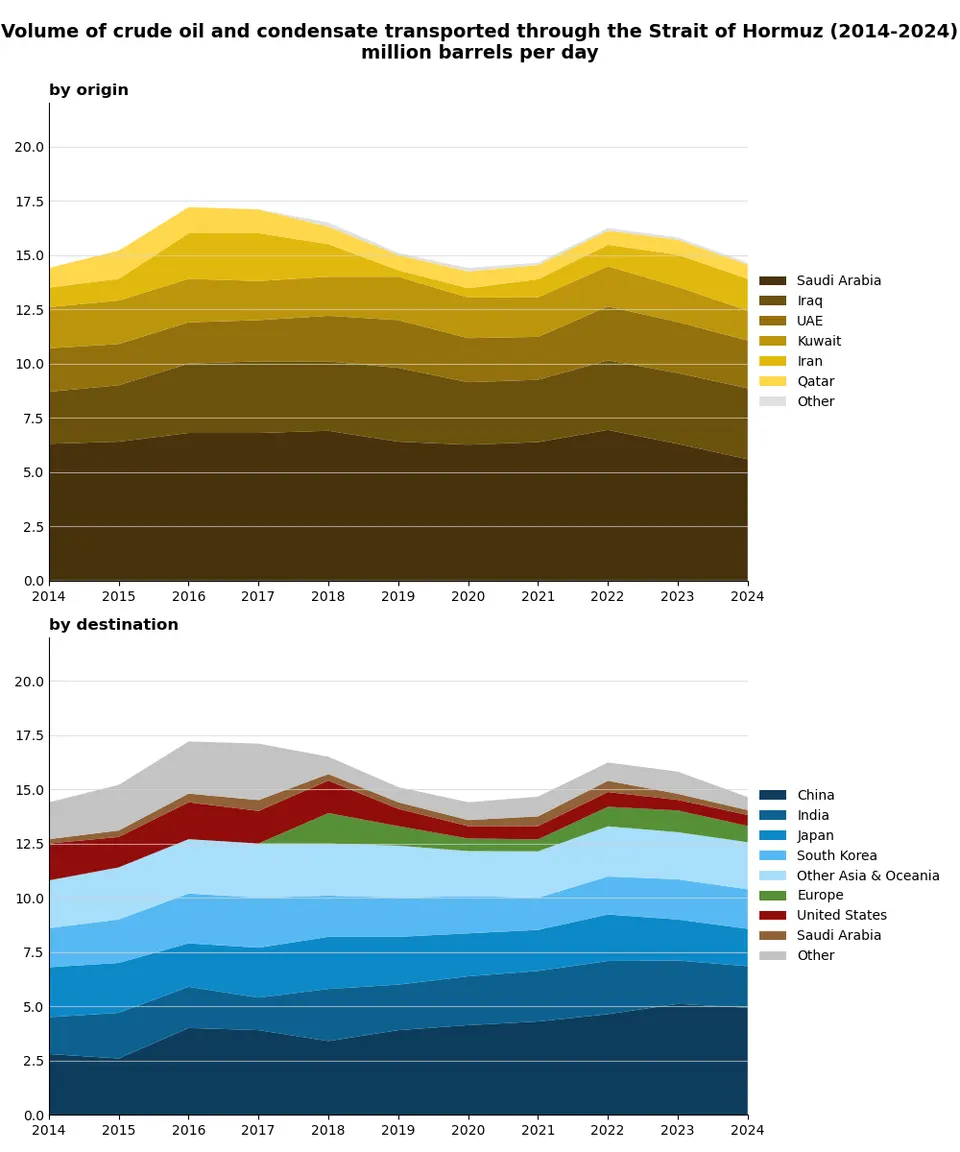
The Strait of Hormuz is a narrow waterway—about 21 nautical miles wide at its narrowest point—that links the Persian Gulf with the open ocean. Despite its modest dimensions, it serves as a chokepoint for roughly 20% of the world’s petroleum and a similar share of liquefied natural gas (LNG) shipments. Because almost all of Iran’s oil exports and a large portion of Saudi, UAE, and Kuwaiti production must pass through this corridor, any disruption can instantly ripple through global energy markets, influencing everything from gasoline prices at the pump to the cost of electricity in distant continents.
Historically, the Hormuz corridor has been a flashpoint for geopolitical rivalry. The 1980s Iran–Iraq War saw both sides laying naval mines, and in 2012 the United Kingdom’s HMS Duncan intercepted a vessel suspected of carrying weapons to Iran, prompting a brief surge in oil prices. More recently, U.S. naval deployments and Iranian threats to close the strait have created a pattern of “risk premiums” built into oil contracts—traders price in the possibility of a sudden supply shock, which can amplify price volatility even when the waterway remains physically open.
The strategic importance of Hormuz extends beyond raw numbers. Because the strait is a maritime bottleneck, it also concentrates naval power. Nations with blue‑water navies—most notably the United States and the United Kingdom—maintain a constant presence to guarantee freedom of navigation, while Iran relies on asymmetric tactics such as fast‑attack craft, anti‑ship missiles, and mines to deter perceived aggression. This military cat‑and‑mouse game means that diplomatic signals, like a U.S. “de‑escalation” statement, can have outsized market effects, as investors recalibrate the perceived likelihood of a supply interruption.
For policymakers and investors, understanding the Hormuz dynamic is essential. A temporary closure—whether caused by conflict, an accident, or a coordinated political move—could shave millions of barrels per day off global supply, pushing crude prices upward by tens of dollars per barrel. Conversely, a credible de‑escalation can lower risk premiums and stabilize markets. The strait thus functions as a barometer of both regional security and global energy stability, making it a focal point for analysts watching oil, gas, and even emerging assets like Bitcoin, which often react to macro‑risk shifts.
In short, the Strait of Hormuz is more than a geographic curiosity; it is a linchpin of the world’s energy architecture. Its security—or lack thereof—directly shapes commodity prices, influences monetary policy decisions, and even colors the broader narrative of geopolitical risk in the 21st‑century economy.