Middle East Oil Production Surges Amid US-Iran Tensions
افزایش تولید نفت خاورمیانه همزمان با تنشهای آمریکا و ایران
Middle East oil production has rebounded significantly, nearing pre-war levels, thanks to a temporary ceasefire. Meanwhile, geopolitical tensions persist as a legal battle unfolds in London and extreme heat impacts Europe.
At time of publishing
USD
171,650
Toman
Gold 18K
16.88M
Toman / gram
Bitcoin
$59,719
US Dollar
Tether
172,690
Toman
Middle East Oil Production Rebounds
Oil production in the Middle East has seen a significant rebound, with output reaching between 14.6 million and 15 million barrels per day (bpd). This recovery comes as a result of a ceasefire between Iran and the United States, which has allowed for a temporary de-escalation of hostilities in the region. The ceasefire, although fragile, is expected to allow oil production to return to pre-war levels by the end of the year, as projected by Rystad Energy.
This development is crucial for global energy markets, as Middle East oil is a significant factor in global oil supply dynamics. The increase in production is likely to ease some of the inflationary pressures that have been impacting economies worldwide due to higher energy prices. However, the situation remains delicate, with any breakdown in the ceasefire potentially disrupting the recovery and leading to renewed volatility in oil prices.
Legal Battle Over Slogan in London
A legal dispute in London has erupted over the use of the phrase "Eat Drink Work" by a local cafe, Coffee Studio. The cafe is being sued by a subsidiary of Mitchells & Butlers, one of the UK’s largest hospitality groups, which claims that the phrase is too similar to its trademarked slogan "Eat Drink Meet." This legal battle underscores the complexities businesses face in protecting intellectual property, particularly in the competitive hospitality sector.
For the businesses involved, the outcome of this legal battle could set a precedent for how trademark disputes are handled in the UK. It also highlights the challenges small businesses face when going up against larger corporations with more resources. This case is being closely watched as it could influence future trademark litigation in the region.

Extreme Heat Sweeps Across Europe
Central and Eastern Europe are experiencing extreme heat waves, with temperatures soaring to 38 degrees Celsius. This unusual weather pattern has caused significant disruption, particularly in the transportation sector. Train services across Germany, Czechia, and Poland have reported substantial delays and cancellations due to the heat, affecting thousands of passengers.
The extreme weather conditions are not only a logistical nightmare but also a stark reminder of the growing impact of climate change on daily life. Governments across Europe are under pressure to adapt infrastructure and services to withstand such challenges, while also addressing the broader implications of climate change on public health and safety.

US-Iran Ceasefire: A Fragile Peace
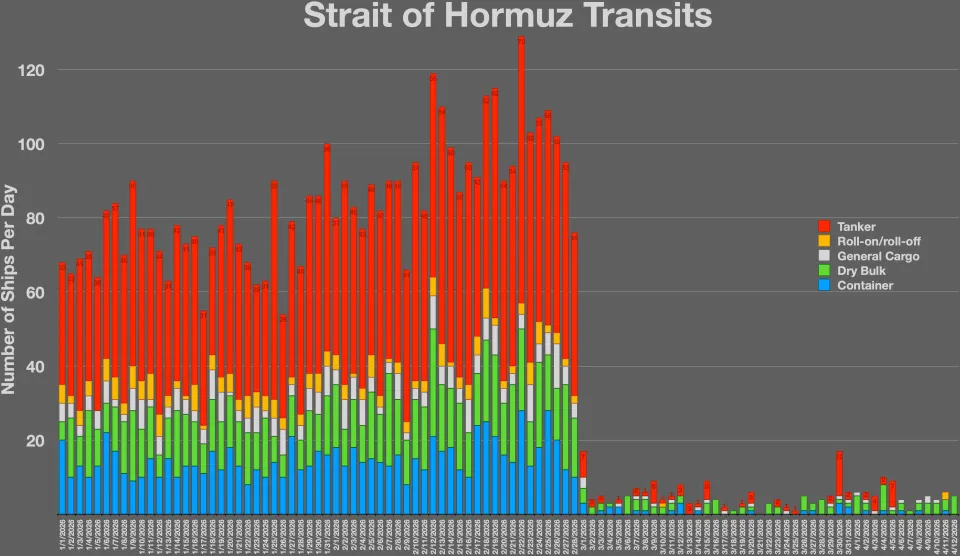
The United States has indicated a willingness to stand down following an exchange of strikes with Iran in the Strait of Hormuz. This tentative ceasefire aims to halt hostilities and allow for the free movement of vessels through this critical shipping lane. However, Iran has not officially confirmed the agreement, leaving the situation precarious.
The Strait of Hormuz is a vital artery for global oil transportation, and any instability in the region can have far-reaching consequences for energy markets and global economic stability. The lack of confirmation from Iran adds to the uncertainty, potentially affecting investor confidence and market dynamics in the region.
Frequently Asked Questions
What is the current status of Middle East oil production?
Why is there a legal battle in London?
How is Europe affected by the current heatwave?
What is the significance of the US-Iran ceasefire?
How might these events impact global markets?
The Strategic Significance of the Strait of Hormuz
The Strait of Hormuz is not just a body of water; it's a critical choke point in global energy security, directly linking the oil-rich Persian Gulf to the open ocean. This narrow waterway, only about 21 nautical miles (39 kilometers) wide at its narrowest point, is bordered by Iran to the north and Oman's Musandam peninsula to the south. Its strategic importance stems from its geography: virtually all seaborne oil exports from Saudi Arabia, Iran, UAE, Kuwait, Iraq, and Qatar must pass through it.
The sheer volume of energy traversing the Strait underscores its global economic significance. Estimates suggest that approximately one-fifth of the world's total petroleum consumption, and roughly one-third of all seaborne traded oil, passes through the Strait daily. This includes crude oil, petroleum products, and liquefied natural gas (LNG). Any disruption to this flow would have immediate and severe repercussions for global energy markets, impacting prices, supply chains, and the economies of both exporting and importing nations.
Given its vital role, the Strait of Hormuz has historically been a flashpoint for geopolitical tensions, particularly involving Iran, which controls its northern coast. The headline's mention of "US-Iran Tensions" directly highlights this vulnerability. Threats to close or disrupt shipping in the Strait, whether explicit or implicit, are often used as leverage in regional disputes. Such actions, or even the credible threat of them, can send oil prices soaring as markets price in the risk of supply shortages, demonstrating how geopolitics directly translates into economic volatility.