U.S.-Iran Deal May Ease Strait Tensions as Market Watches Closely
توافق آمریکا و ایران ممکن است تنشهای تنگه هرمز را کاهش دهد
The U.S. and Iran have reportedly reached a deal to halt attacks, potentially easing tensions in the Strait of Hormuz. This development comes as market watchers anticipate impacts on currency and trade.
At time of publishing
USD
170,550
Toman
Gold 18K
16.68M
Toman / gram
Bitcoin
$60,140
US Dollar
Tether
171,855
Toman
U.S.-Iran Deal Reached to Halt Attacks
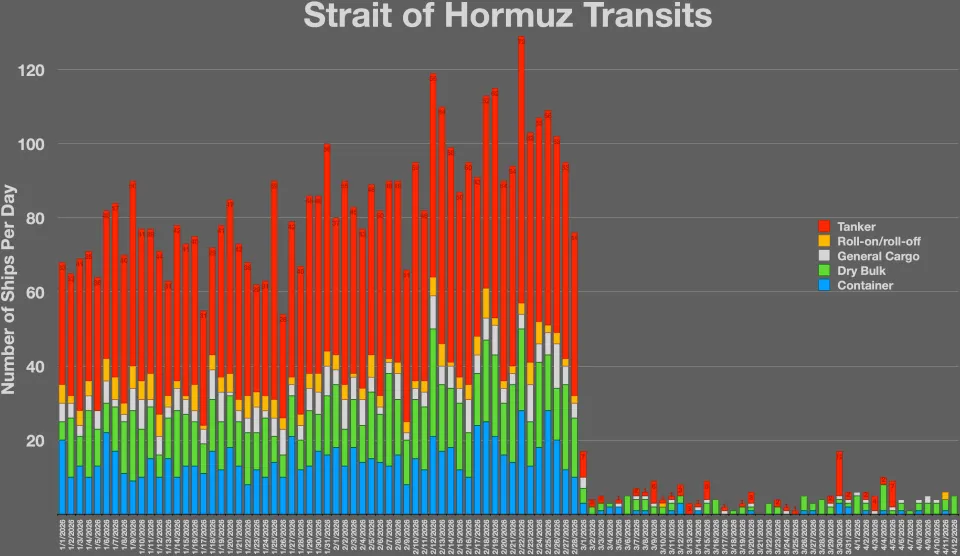
In a significant development, the United States and Iran have reportedly reached an agreement to halt attacks, allowing for safer passage through the strategically crucial Strait of Hormuz. A U.S. official has confirmed the deal, although Iran has yet to make an official statement. This agreement is seen as a critical step towards reducing tensions in a region that is a vital artery for global oil shipments. The Strait of Hormuz sees a significant percentage of the world's oil transit, and any disruption could have severe global economic implications.
The reported agreement comes amidst a backdrop of escalating military actions between the two nations, with recent strikes threatening to destabilize the fragile interim peace. While details of the deal remain sparse, the move is expected to have immediate effects on global oil prices and regional trade dynamics. For Iran, this could mean a reprieve from the economic pressures exacerbated by the recent hostilities and a chance to stabilize its economy, which has been under severe strain due to international sanctions.
Impacts on Iranian Economy and Currency Markets
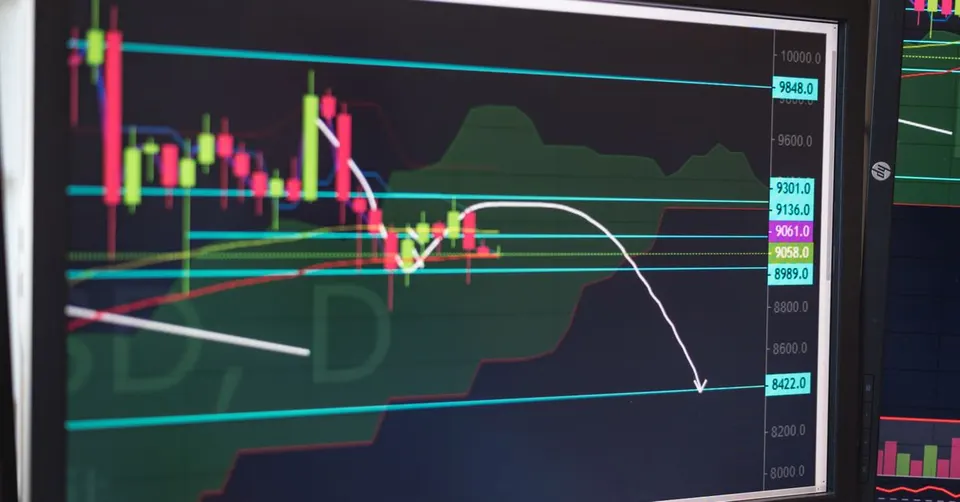
The potential easing of tensions between the U.S. and Iran has significant implications for the Iranian economy, particularly in terms of currency stability and trade. The Iranian Toman has been under pressure, with the USD/IRR exchange rate recently moving from 174,950 to 170,550 (-2.5%) over the past 24 hours. This change reflects a strengthening of the Toman, possibly influenced by the anticipation of reduced geopolitical risks and the potential for improved international trade conditions.
For Iranian markets, this development could lead to increased investor confidence and a more stable economic environment. The easing of tensions may also open up new avenues for trade and investment, providing a much-needed boost to the domestic economy. Moreover, the potential stabilization of oil transit through the Strait of Hormuz could lead to more predictable revenues from oil exports, a crucial element of Iran's economic structure.
Sultan of Oman to Mediate Regional Security Talks
As the United States and Iran move towards de-escalation, the Sultan of Oman is scheduled to meet with French President Emmanuel Macron to discuss regional security, with a particular focus on the Strait of Hormuz. Oman has historically played a mediating role in Middle Eastern conflicts, leveraging its neutral stance and diplomatic relationships to facilitate dialogue between conflicting parties. This meeting underscores the international community's interest in maintaining peace and stability in the Gulf region, which is critical for global energy security.
The involvement of the Sultan of Oman highlights the broader diplomatic efforts required to ensure long-term peace in the region. As tensions ease, there is an opportunity for renewed discussions on broader security cooperation and economic partnerships that could benefit all parties involved. For Iran, this could mean a more favorable geopolitical environment and increased opportunities to engage with international partners in trade and diplomacy.
Watch
Hormuz escalation: Iran-US agree to halt attacks | Reuters World News
Reuters
Frequently Asked Questions
What is the significance of the U.S.-Iran deal?
How could this deal affect the Iranian economy?
Why is the Strait of Hormuz important?
What role does Oman play in regional security?
How might global markets react to this development?
The Strategic Significance of the Strait of Hormuz
The Strait of Hormuz is a narrow, strategically vital waterway connecting the Persian Gulf to the Arabian Sea and the broader Indian Ocean. At its narrowest point, it is only about 21 nautical miles (39 kilometers) wide, with shipping lanes just two miles wide in each direction. This geographical chokepoint is bordered by Iran to the north and Oman's Musandam Governorate to the south, making it a critical passage for maritime trade, particularly for energy shipments from the Middle East.
Economically, the Strait of Hormuz is arguably the world's most important oil transit chokepoint. A significant portion of the world's daily seaborne oil supply, including crude oil and refined petroleum products, passes through this strait. The U.S. Energy Information Administration (EIA) estimates that over 20% of global petroleum liquids consumption transits the Strait. Any disruption or threat to this passage can have immediate and severe impacts on global oil prices, energy security, and international trade, leading to significant market volatility.
Given its critical role, the Strait of Hormuz is a persistent flashpoint for geopolitical tensions. The proximity of Iran, which has historically threatened to close the strait in response to international sanctions or military pressure, makes it a highly sensitive area. Naval activities, political disputes, and regional conflicts involving major powers like the U.S. frequently escalate concerns about the strait's security. Consequently, any news of potential deals or easing of tensions, as highlighted in the headline, is closely monitored by global markets due to the profound implications for oil supply and prices worldwide.