Hormuz Power Struggle: Iran and Oman Vie for Control as Toman Recovers on Peace Hopes
نبرد قدرت در هرمز؛ رقابت ایران و عمان برای کنترل تنگه همزمان با بازیابی ریال
Tensions rise in the Strait of Hormuz as Iran and Oman compete for maritime authority, while the Iranian Toman gains 2.6% against the USD amid renewed peace deal rumors. Meanwhile, Bitcoin teeters at the $60,000 mark as global markets weigh geopolitical de-escalation against economic uncertainty.
At time of publishing
USD
170,350
Toman
Gold 18K
16.59M
Toman / gram
Bitcoin
$60,203
US Dollar
Tether
170,930
Toman
The Strategic Tug-of-War Over the Strait of Hormuz
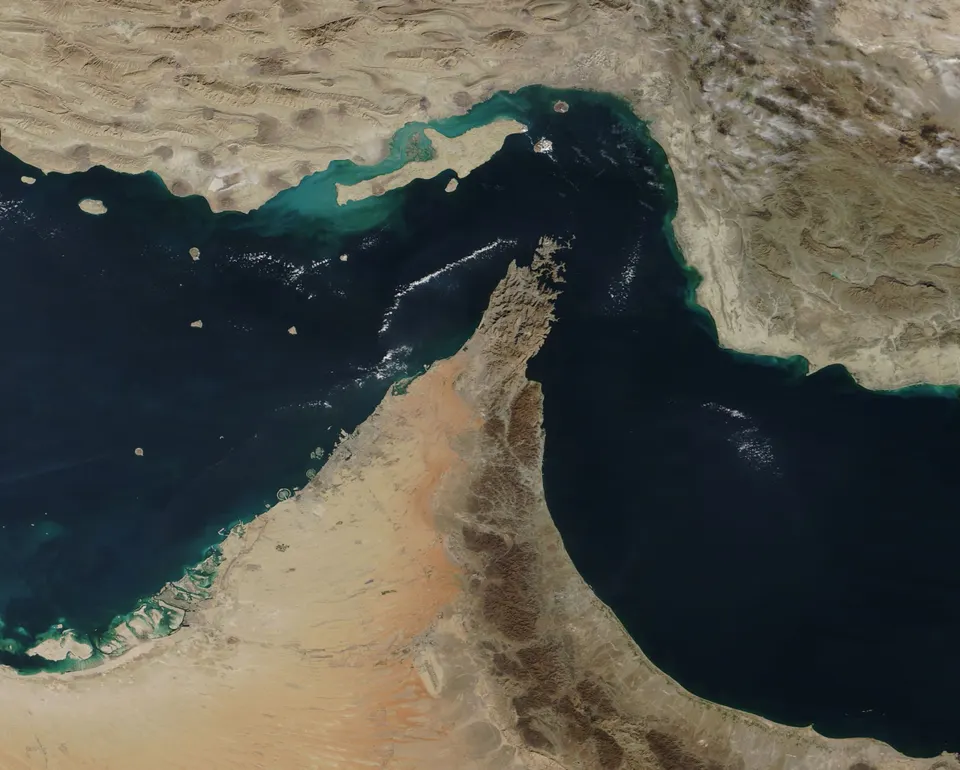
At 22:00 Tehran time, the geopolitical focus has shifted sharply toward the narrow 24-mile-wide Strait of Hormuz. Traditionally, the waterway has been Iran’s primary lever in international negotiations, but a new dynamic is emerging as Oman increasingly asserts its own vision for the region's maritime future. Tehran is reportedly viewing Oman’s independent plans for reopening and managing shipping lanes with jealousy, fearing a loss of its historical role as the primary gatekeeper of the world’s most critical energy transit point. Every inch of the waterway is currently a test of wills, as both nations recognize that control over these waters translates directly into leverage at the global diplomatic table.
This regional competition comes at a time when the 'war risk premium' is beginning to evaporate from energy markets. Brent crude has seen significant volatility, recently trading around $72.54 per barrel as rumors of a potential U.S.-Iran peace deal circulate through the halls of power. For the Iranian economy, this shift is already manifesting in the currency markets. The USD/IRR exchange rate has moved from 174,950 to 170,350, representing a notable 2.6% recovery for the Toman. This cooling of tensions suggests that traders are betting on a diplomatic breakthrough, though the underlying competition between Tehran and Muscat for administrative dominance over the Strait remains a volatile wildcard.
Bitcoin’s $60,000 Tightrope and the Peace Premium
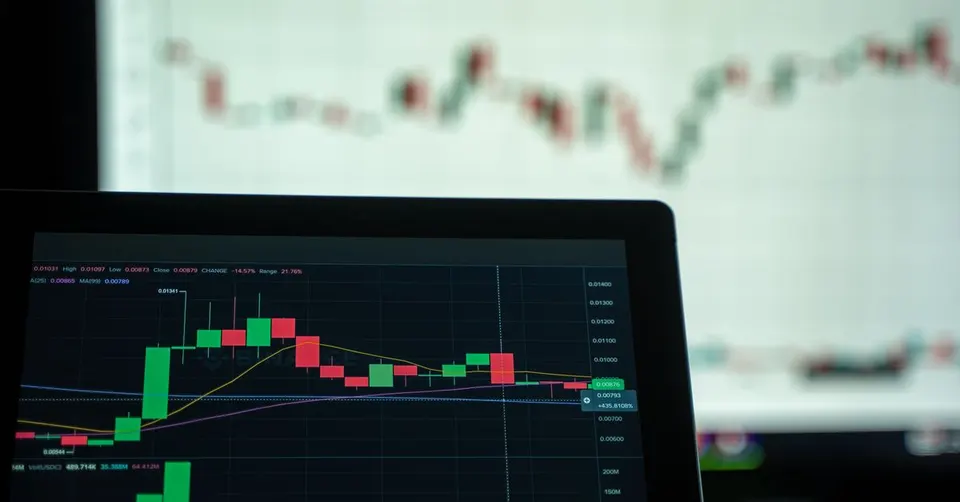
In the digital asset space, Bitcoin is currently engaged in a high-stakes battle to maintain the $60,000 support level. While U.S. stock markets have rebounded on the back of fresh hopes for a diplomatic resolution between Washington and Tehran, crypto investors appear more cautious. Analysts point to a lack of "conviction" among buyers, as the potential for a peace deal creates a complex environment for risk assets. Typically, geopolitical de-escalation is positive for markets, but it also reduces the appeal of decentralized assets as a hedge against global chaos. At 22:00, BTC stands at $60,203, barely clinging to its psychological baseline.
For Iranian crypto holders, the situation is twofold. The domestic price of Tether (USDT) has mirrored the broader currency market, settling at 170,930 Toman. As the local currency strengthens, the cost of entering the crypto market for Iranians has slightly decreased, yet the global stagnation of Bitcoin prevents any major profit-taking. This "tightrope" act reflects a broader market sentiment where investors are waiting for concrete evidence of a signed agreement before committing to a bullish trend. Until then, the market remains reactive to every headline emerging from the ongoing diplomatic channels in the Middle East.
Venezuela’s Tragedy and the Global Energy Ripple
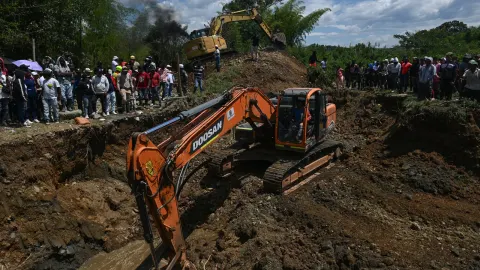
While the Middle East eyes diplomacy, South America is grappling with a humanitarian and infrastructure catastrophe. Venezuela is currently assessing the devastating aftermath of twin earthquakes that have leveled at least 774 buildings. The relief efforts are being severely hampered by a pre-existing political crisis, with the successor to Hugo Chavez and Nicolas Maduro facing public backlash and accusations of prioritizing state security over disaster response. The scale of the death toll is expected to take weeks to emerge, but the immediate impact on the nation’s already fragile oil infrastructure is causing concern among global energy analysts.
This disaster adds a layer of complexity to the global oil supply chain. As a nation under heavy sanctions, Venezuela’s ability to recover is limited, which could tighten the heavy crude market just as Iranian supplies are rumored to be returning to the global fold. For Iranian observers, the Venezuelan situation serves as a grim reminder of how political isolation can exacerbate natural disasters. The contrast between Tehran's current diplomatic recovery and Caracas’s deepening despair highlights the divergent paths of two of the world's most significant sanctioned energy producers.
Tech and Policy: From Apple’s M3 to the "No 10 North"
In the world of technology and governance, two major stories are unfolding that signal a rebalancing of power. Apple has made waves with a strategic price adjustment, offering the M3-powered iPad Air at $499. This move is seen as an attempt to capture market share in a tightening global economy where consumers are becoming more price-sensitive. Simultaneously, South Korean tech giants have committed a staggering $550 billion to prevent a "RAMageddon," ensuring that the global AI boom is not derailed by memory chip shortages. These industrial shifts highlight the ongoing technological arms race that continues regardless of geopolitical friction.
On the policy front, the United Kingdom is witnessing its own internal rebalancing. Andy Burnham has confirmed plans to establish a "No 10 North" in Manchester, a move intended to shift the center of gravity away from London. While this is a domestic UK issue, it reflects a broader global trend of decentralization and the emergence of new regional hubs of power. For international observers and trade partners, including those in the Middle East, a more geographically diverse British administration could signal changes in how the UK handles its foreign investments and defense spending, particularly as NATO leaders urge for sustained military commitments in an era of global volatility.
Frequently Asked Questions
Why is Oman competing with Iran over the Strait of Hormuz?
How has the 'peace deal' rumor affected the Iranian Toman?
Why is Bitcoin struggling despite a stock market rebound?
What is the significance of the $550B South Korean investment?
Understanding the Strategic Chokepoint: The Strait of Hormuz and Global Oil Prices
The Strait of Hormuz is one of the world’s most critical maritime chokepoints – a narrow passage where a disproportionate amount of global trade must flow. Roughly 20% of the world’s petroleum, and an even larger share of oil‑based products, passes through this 21‑mile wide strait each day. Its geography – flanked by Iran to the north and the United Arab Emirates and Oman to the south – means that any regional tension can instantly threaten the free flow of oil, turning a routine transit into a geopolitical flashpoint.
When a chokepoint is perceived as vulnerable, oil markets incorporate a geopolitical risk premium into prices. Traders price in the probability of supply disruptions, even if the threat never materialises, because the cost of a sudden shortage would be immense. This risk premium is reflected in higher spot prices and can cause rapid price spikes after events such as naval drills, missile tests, or diplomatic rows between Iran and its neighbours, including Oman. The recent diplomatic overtures between Tehran and Muscat have been closely watched because a de‑escalation could lower the risk premium and help the Iranian toman recover against a backdrop of falling oil prices.
The impact of the Hormuz chokepoint extends beyond oil. It influences global currencies, commodity markets, and even emerging assets like Bitcoin, which some investors turn to as a hedge against oil‑price volatility. In June 2026, Bitcoin’s price surged modestly as investors sought alternatives amid renewed talk of a possible Iranian‑UAE naval standoff, illustrating how geopolitical risk can ripple through unrelated markets.
Understanding the mechanics of a strategic chokepoint helps explain why seemingly local disputes – such as the Iran‑Oman rivalry or a natural disaster like the 2026 Venezuelan earthquake that disrupted another supply route – can have outsized effects on global economics. As long as a significant share of the world’s energy supply must squeeze through a narrow waterway, the Strait of Hormuz will remain a barometer of both regional politics and worldwide market sentiment.