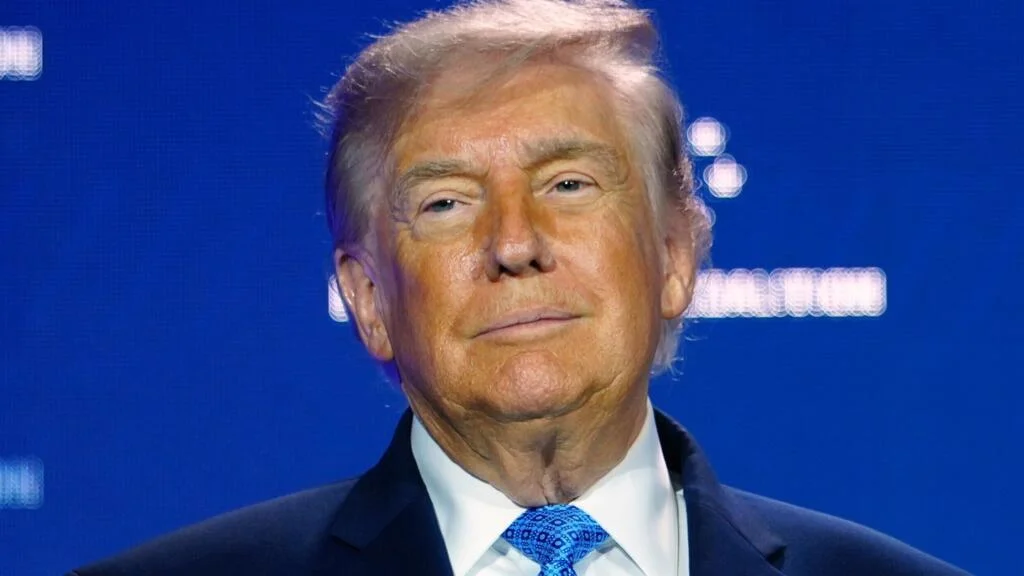
Supreme Court Boosts Trump’s Power, Protects Fed Independence
دیوان عالی قدرت ترامپ را افزایش میدهد و استقلال فدرال را حفظ میکند
The U.S. Supreme Court has expanded presidential power by allowing Trump to fire officials while maintaining Federal Reserve autonomy. This decision has significant implications for the American political landscape and economic policies.
At time of publishing
USD
170,450
Toman
Gold 18K
16.59M
Toman / gram
Bitcoin
$60,350
US Dollar
Tether
170,486
Toman
Supreme Court Expands Presidential Power
In a landmark decision, the U.S. Supreme Court has expanded President Donald Trump's authority to dismiss the heads of independent federal agencies, with the notable exception of the Federal Reserve. This ruling is seen as a significant shift in the balance of power between the executive branch and independent agencies. The decision allows the President greater control over agencies that have traditionally operated with a degree of independence, potentially reshaping how these bodies function.
The court's ruling comes amidst a period of heightened political polarization in the United States, raising concerns about the potential politicization of federal agencies. By maintaining the Federal Reserve's independence, the court has underscored the importance of economic stability and the need to keep monetary policy free from political influence. This decision is likely to influence how future administrations approach the management of federal agencies and could impact economic policies moving forward.

Iran's Strategic Moves in the Strait of Hormuz
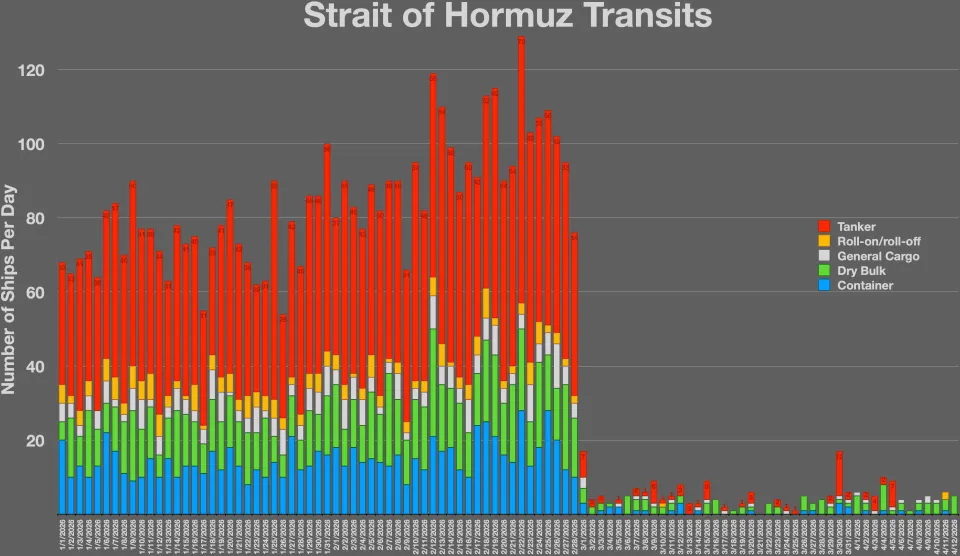
Iran has made clear its intentions to establish new rules in the Strait of Hormuz, a critical chokepoint for global oil transportation. In recent talks with Oman, Iran emphasized its role in managing the strait, suggesting a shift in regional dynamics. Analysts suggest this move is part of Iran's broader strategy to assert its influence in the region and ensure its security interests are prioritized.
The Strait of Hormuz is vital for global energy supplies, and any changes in its management could have significant implications for international oil markets. Iran's actions may affect global oil prices and influence geopolitical relations, particularly with countries dependent on energy imports through this route. This development is crucial for understanding the evolving power dynamics in the Middle East and the potential impact on global energy security.
OpenAI's Codex: A New Frontier in AI Hardware
OpenAI has announced plans to release new hardware related to its AI-powered coding tool, Codex. This announcement has generated significant interest in the tech community, as it suggests a move towards integrating AI more deeply into hardware solutions. The device, teased in a recent video, is expected to enhance the functionality of Codex by providing users with more intuitive and efficient tools for coding.
The introduction of new hardware could have far-reaching implications for the tech industry, particularly in how businesses and developers approach software development. By offering a dedicated device for Codex, OpenAI is likely aiming to streamline coding processes, potentially reducing the time and resources required for software development. This move could also impact the competitive landscape in AI and tech, as companies race to innovate and capture market share in this rapidly evolving field.

Arbitrator Reinstates Professor Following Gaza Protest Firing
In a significant decision, an arbitrator has ordered the reinstatement of a tenured professor at California State University who was dismissed following her involvement in pro-Palestinian activism. The professor, Sang Hea Kil, had been fired amid nationwide protests over Gaza, marking her as the first tenured faculty member to face such action. The ruling determined that the university violated legal standards, emphasizing the protection of academic freedom and free speech.
This case highlights ongoing tensions within academic institutions regarding freedom of expression and the consequences of political activism. The outcome may set a precedent for how universities handle similar cases in the future, potentially affecting policies on academic freedom and the rights of faculty members. The decision also underscores the broader societal debates on activism and free speech in educational settings, reflecting the complex interplay between personal beliefs and professional responsibilities.

Frequently Asked Questions
What did the Supreme Court rule on Trump's power?
How does Iran's action in the Strait of Hormuz affect global markets?
What is OpenAI's Codex and its new hardware?
Why was a California professor reinstated?
What are the implications of the court's decision on the Federal Reserve?
Why Central Bank Independence Matters
Central bank independence refers to the degree to which a nation's monetary authority can make decisions without direct political interference. An independent central bank can set interest rates, control the money supply, and pursue price stability based on economic data rather than short‑term electoral considerations. Economists argue that this insulation helps keep inflation low and credible, which in turn lowers the cost of borrowing for households and businesses.
In the United States, the Federal Reserve’s independence is enshrined in the Federal Reserve Act of 1913 and has been repeatedly upheld by the Supreme Court. Recent rulings have reinforced the principle that Congress cannot dictate day‑to‑day policy choices, preserving the Fed’s ability to act swiftly during crises—whether a pandemic, a financial shock, or geopolitical turbulence such as sanctions on Iran that affect oil markets.
The link between Fed independence and geopolitics becomes clear when you consider how monetary policy can buffer external shocks. Sanctions on Iran and the strategic importance of the Strait of Hormuz can cause volatile oil prices, which feed into inflation. An autonomous Fed can adjust policy rates to neutralize these price pressures without being forced to accommodate political narratives about “tough on Iran” or “protecting jobs.”
Nevertheless, political leaders—including former President Trump—have occasionally pressed for more direct control over the Fed, arguing that monetary policy should align with broader economic agendas. The Supreme Court’s role in safeguarding the Fed’s autonomy demonstrates the constitutional balance between democratic oversight and technocratic expertise, a balance that underpins the stability of the entire financial system.