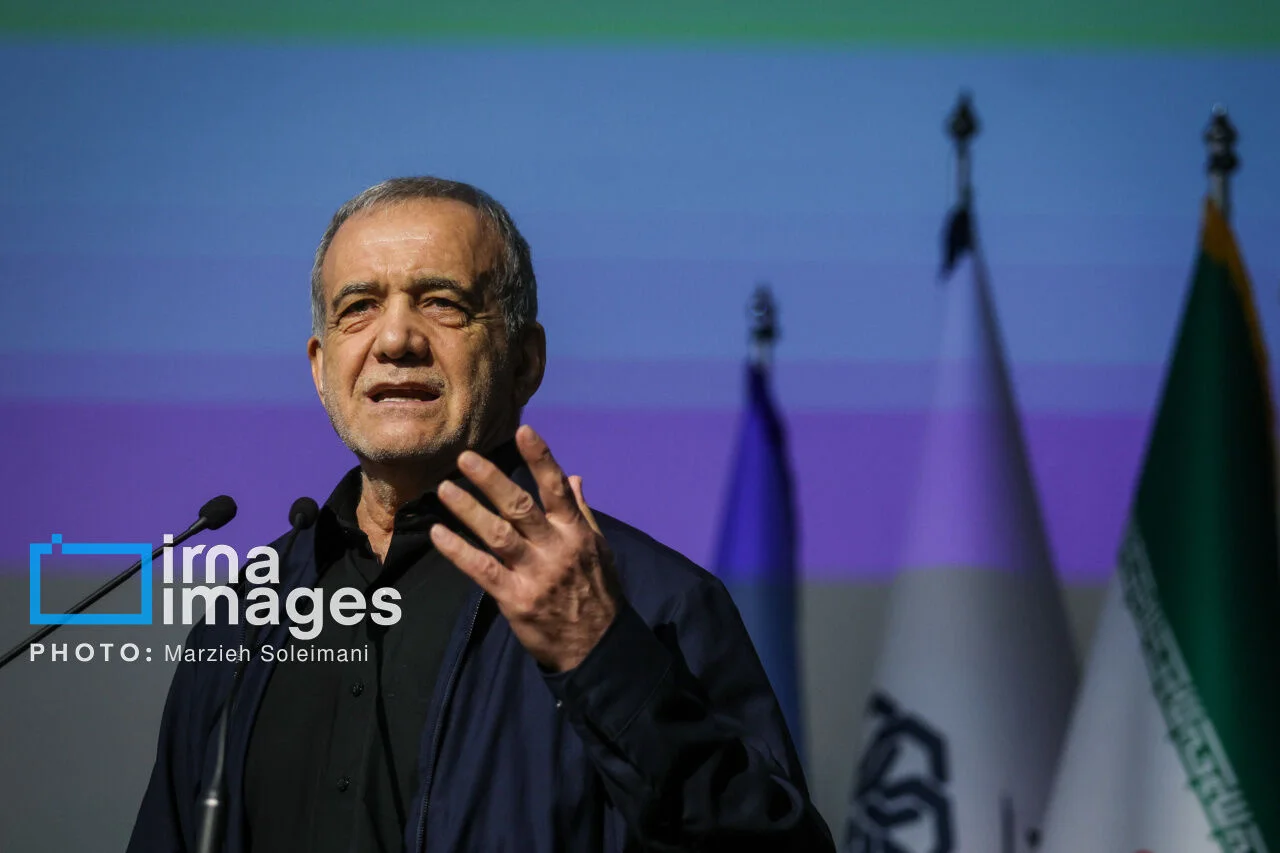
Iran Pledges to Honor MoU as US-Iran Talks Continue
ایران به تعهدات خود در صورت پایبندی آمریکا به تفاهمنامه عمل خواهد کرد
Iran's President Pezeshkian assures commitment to a US-mediated MoU, signaling potential economic shifts. Meanwhile, Britons face energy price changes and Bitcoin remains below $60k.
At time of publishing
USD
170,150
Toman
Gold 18K
16.59M
Toman / gram
Bitcoin
$59,463
US Dollar
Tether
171,822
Toman
Iran Reaffirms Commitment to Memorandum of Understanding
In a significant political development, Iranian President Masoud Pezeshkian announced that Iran would adhere to its commitments under a recently agreed memorandum of understanding (MoU), provided the United States also remains compliant. This MoU, facilitated by Pakistan, marks a crucial step in easing tensions between the two nations, which have been historically fraught with challenges. According to IRNA, Pezeshkian highlighted the importance of mutual adherence to the terms set out in the agreement, which could pave the way for improved diplomatic relations and economic stability.
This announcement holds particular significance for Iran's economy, which has been burdened by sanctions and international isolation. If the MoU progresses positively, it could lead to a relaxation of sanctions, providing much-needed relief to the Iranian economy. For Iranian citizens, this could translate into better trade conditions, more stable currency rates, and improved confidence in the national economy. Such developments are closely watched by market analysts and political observers, as they could have far-reaching implications for regional stability and international relations.

Energy Price Concerns in the UK as Cap Rises
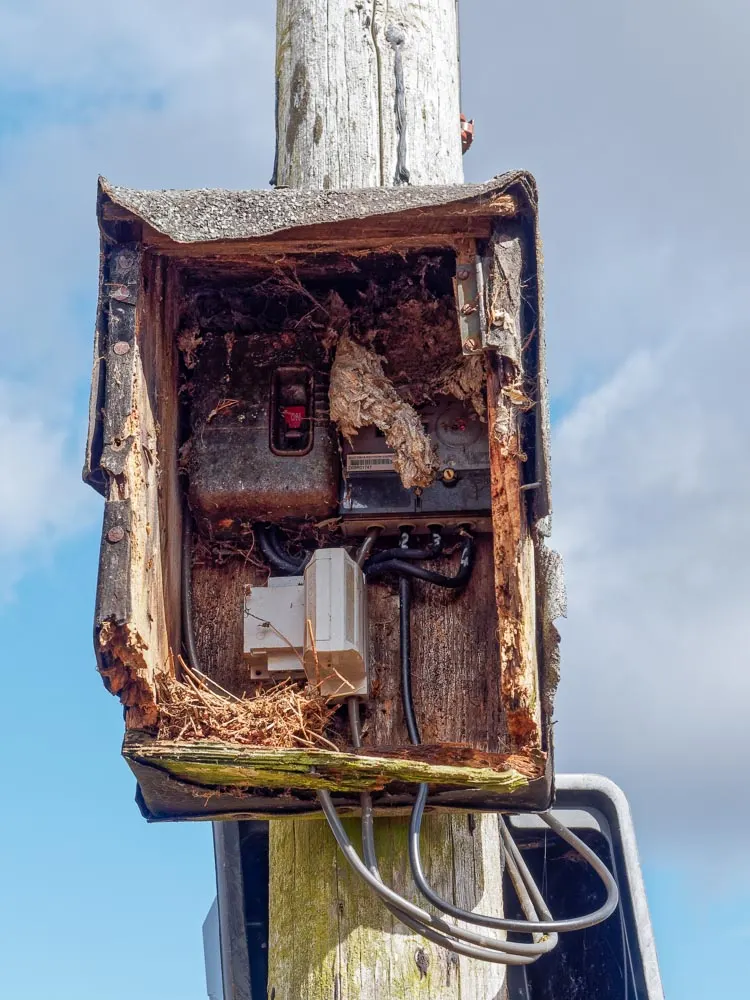
As millions of Britons brace for an increase in energy prices, the urgency to submit meter readings has become evident. The Guardian reports that approximately 5.3 million households, those on standard tariffs without smart meters, risk being overcharged if they fail to provide up-to-date meter readings before Wednesday. This move comes as the energy price cap is set to rise, potentially resulting in higher utility bills for those who do not take action.
The anticipated rise in energy costs reflects ongoing challenges in the global energy market, driven by factors such as supply chain disruptions and geopolitical tensions. For the UK, this means increased pressure on household budgets and potential impacts on consumer spending. The situation also serves as a reminder of the broader energy challenges facing Europe, including the need for sustainable and reliable energy sources to mitigate future price volatility.
Bitcoin Stays Below $60k Amid Market Uncertainty
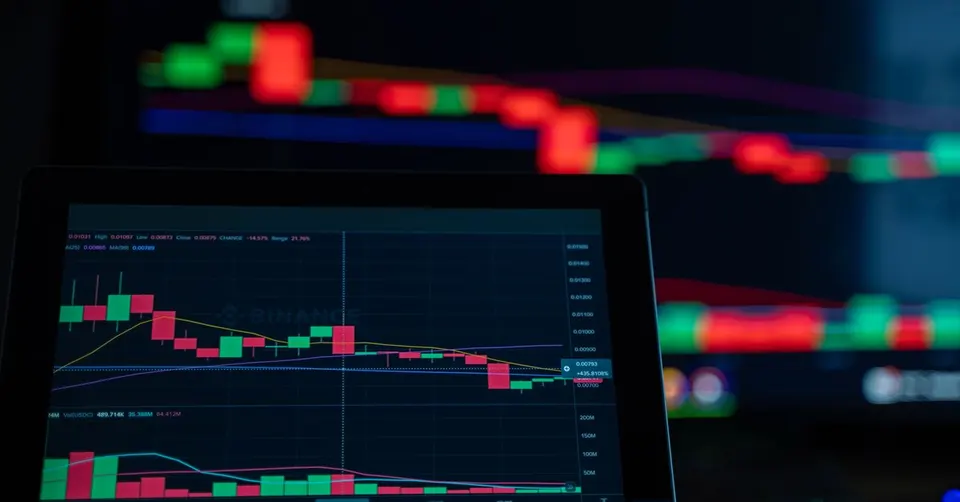
In the world of cryptocurrencies, Bitcoin continues to trade below the $60,000 mark, affected by persistent concerns over interest rates and ETF outflows. According to Investing.com, investor sentiment remains cautious, with market participants closely monitoring macroeconomic indicators that could influence Bitcoin's trajectory. The recent decline has been attributed to ongoing rate jitters, which have added to the uncertainty surrounding cryptocurrencies.
For investors and market watchers, this period of volatility underscores the inherent risks associated with digital assets. The fluctuating prices could influence investment strategies and highlight the need for diversification. As the crypto market evolves, participants will need to navigate regulatory changes and market dynamics carefully to optimize their portfolios.
Iranian Delegation Heads to Qatar Amid Tense Diplomatic Climate
Iran has dispatched a delegation to Qatar for technical meetings, though no direct talks with the U.S. have been confirmed. As reported by France 24, the presence of high-level envoys indicates ongoing diplomatic efforts to address regional tensions. However, the absence of confirmed bilateral meetings suggests that significant hurdles remain in achieving a comprehensive diplomatic breakthrough.
For Iran, these discussions represent a potential avenue to negotiate over issues ranging from sanctions to regional security. The outcome of these talks could significantly impact Iran's economic landscape, particularly if they lead to eased tensions and improved international relations. As negotiations continue, the world watches closely, knowing that the stakes are high for both regional stability and global economic trends.

Frequently Asked Questions
What is the significance of Iran's commitment to the MoU?
Why are energy prices rising in the UK?
How is Bitcoin performing in the current market?
What are the implications of Iran's meetings in Qatar?
How are global energy challenges affecting Europe?
How Geopolitical Events Influence Cryptocurrency Prices
Cryptocurrencies, especially Bitcoin, have become a global asset class that reacts sharply to geopolitical news. When countries negotiate agreements—such as the recent MoU between Iran and the United States—or when regional tensions rise, investors often reassess risk and look for assets that can preserve value across borders. Bitcoin’s decentralized nature makes it attractive as a hedge against traditional market disruptions, but its price can also be driven by speculative trading on headlines.
The mechanism behind this sensitivity is two‑fold. First, geopolitical risk can trigger capital flight from fiat currencies, prompting investors to move funds into crypto wallets that are not subject to a single nation's monetary policy. Second, media coverage amplifies sentiment; a headline about Iran‑Qatar talks or rising UK energy prices can create a narrative of economic instability, prompting rapid buying or selling in crypto markets. This feedback loop is amplified by algorithmic traders who program bots to react to keyword spikes in news feeds.
Understanding this dynamic helps explain why Bitcoin’s price can swing dramatically on days when diplomatic talks are announced or when energy markets, a key driver of global inflation, shift sharply. While crypto offers diversification benefits, it also inherits the volatility of the political landscape. Investors should therefore monitor not only technical indicators but also diplomatic calendars, sanctions news, and energy price trends to gauge potential price moves.
For a deeper dive, consider exploring how sanctions on Iran have historically impacted oil‑linked currencies and how those effects have spilled over into crypto markets. The interplay between traditional geopolitics and digital assets is reshaping risk management strategies for both retail and institutional investors.