Iran's Delegation in Doha, No Direct US Talks: Markets Watch for De-escalation Signals
هیئت ایران در دوحه، بدون مذاکرات مستقیم با آمریکا: بازارها در انتظار سیگنالهای کاهش تنش
Iran's delegation has arrived in Doha, but confirmed they are not there for direct talks with the U.S., despite earlier statements from President Trump. This diplomatic nuance keeps regional tensions simmering, with global markets closely monitoring for any signs of de-escalation or further deadlock. The situation directly impacts risk appetite and energy market stability.
At time of publishing
USD
170,150
Toman
Gold 18K
16.59M
Toman / gram
Bitcoin
$59,530
US Dollar
Tether
172,091
Toman
Market Open
The morning opens with a mixed bag for Iranian markets, reflecting ongoing global uncertainties and domestic dynamics. The U.S. Dollar, which often serves as a barometer for economic sentiment, saw a slight retreat against the Toman overnight, with USD/IRR decreasing from 170,450 to 170,150, marking a modest -0.2% shift. This minor dip might offer a fleeting sense of stability, but traders remain cautious, keenly aware of the geopolitical undercurrents that can quickly sway currency valuations.
Gold markets, both global and local, showed little movement in the last 24 hours. The 18k gold gram remained unchanged at 16,594,025 Toman (+0.0%), mirrored by the Emami coin holding steady at 169,000,000 Toman (+0.0%). This flatlining suggests a wait-and-see approach from investors, with no immediate catalysts driving significant price action in either direction. Globally, the gold ounce stood firm at $3,985.10, indicating a broader market holding pattern.
In the volatile world of cryptocurrencies, Bitcoin is currently trading around $59,530, reflecting a period of pressure below the $60,000 mark as the Japanese yen hit a 40-year low against the U.S. dollar, lifting the dollar across the board and indirectly impacting crypto. Ethereum, the second-largest cryptocurrency, is at $1,588.64, with USDT trading at 172,091 Toman. While specific 24-hour deltas for crypto were not provided, the general sentiment suggests continued vigilance from crypto investors, particularly given the broader macroeconomic shifts and the dollar's strengthening.
Iran's Delegation in Doha: Diplomacy, Not Direct Talks, on the Agenda
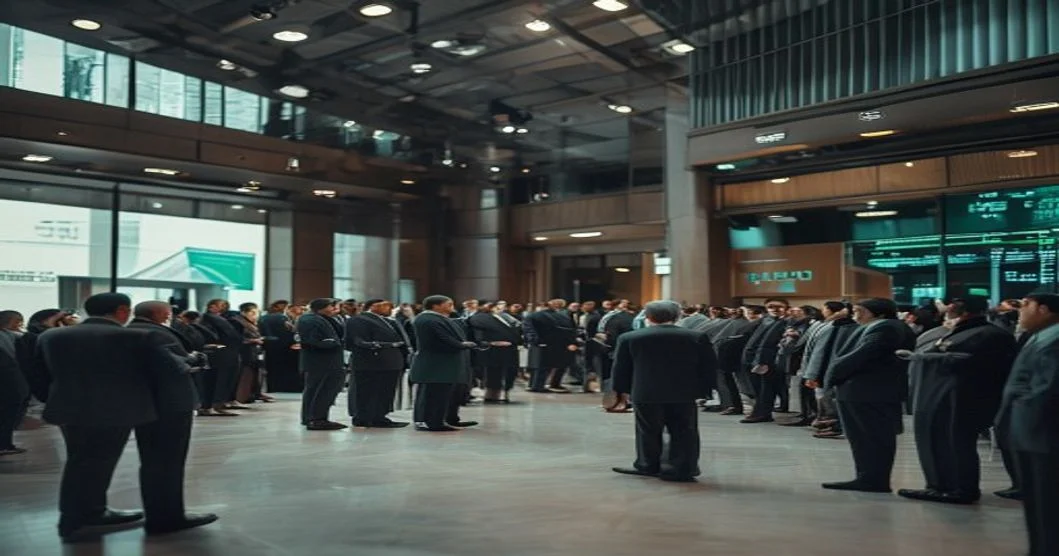
In a critical development overnight, Iran confirmed its delegation is present in the Qatari capital of Doha, but emphatically stated their purpose is not for direct talks with the United States. This clarification comes despite earlier remarks from U.S. President Trump suggesting that U.S.-Iran discussions would be taking place on Tuesday. Instead, Iranian officials indicated their delegation would be engaging solely with mediators, focusing on ensuring the U.S. upholds its "cease-fire commitments," a phrase that underscores the deep mistrust and divergent interpretations of past agreements and current obligations between the two nations.
This nuanced diplomatic posture highlights the persistent deadlock in U.S.-Iran relations, particularly concerning the nuclear deal and regional security. While the presence of an Iranian delegation in Doha could be interpreted as a tentative step towards engagement, the explicit refusal of direct talks signals Iran's continued insistence on certain preconditions and its skepticism about Washington's intentions. For Iranian readers, this means the path to any significant easing of sanctions or resolution of economic pressures remains fraught with diplomatic complexities and is unlikely to see a swift breakthrough, maintaining a degree of uncertainty in currency expectations and trade prospects.
The implications of this diplomatic dance extend far beyond the immediate negotiating table. Global energy markets, already sensitive to Middle Eastern stability, will be closely watching for any escalation or de-escalation signals. A lack of direct dialogue means that the foundational issues dividing Tehran and Washington remain unresolved, perpetuating a climate of regional tension that affects shipping lanes, oil prices, and the broader geopolitical risk assessment for investors worldwide. This ongoing stalemate reinforces the need for a cautious approach in financial planning, as sudden shifts in diplomatic rhetoric can trigger rapid market reactions.

Strait of Hormuz Risks Persist Amid Regional Tensions
The critical Strait of Hormuz, a vital artery for global oil shipments, continues to be a focal point of concern, with recent reports highlighting the persistent risks to "safe" passage. Despite ongoing talks between Iran and Oman regarding the strait's management, two recent attacks on ships have brought the waterway's precarious security back into sharp relief. A proposed plan to divert shipping through an alternative corridor off the Omani coast has also come under scrutiny, indicating the difficulty in finding truly secure transit options in an increasingly volatile region.
These incidents underscore the complex interplay of geopolitical tensions, particularly the enduring standoff between Tehran and Washington. The Strait of Hormuz, through which roughly a fifth of the world's total oil supply passes, remains a flashpoint where any miscalculation or aggressive action could have immediate and severe global economic repercussions. For the Iranian economy, the stability of this waterway is paramount, directly influencing the country's oil export capabilities, global trade routes, and the cost of doing business. Heightened risks translate into increased insurance premiums for shipping, potentially disrupting supply chains and impacting the flow of goods to and from the region.
The ongoing challenges in securing the Strait of Hormuz against threats, whether from mines or other forms of aggression, serve as a constant reminder of the fragility of global supply lines. This situation contributes to a broader sense of geopolitical risk that can influence everything from investor confidence to commodity prices. The international community's struggle to ensure unimpeded navigation through this crucial chokepoint reflects the deep-seated regional rivalries and the difficulties in achieving lasting maritime security, impacting not just the energy sector but also global trade and economic stability more broadly.
Australia's Political & Housing Market Headwinds Signal Global Economic Unease
Halfway across the globe, Australia is grappling with domestic political turmoil and significant economic headwinds, particularly in its housing market, offering a glimpse into broader global economic anxieties. Overnight, Australian politics saw heated exchanges, with Garth Hamilton storming out of question time and Treasurer Chalmers defending the government's house price forecasts. This comes as auction clearance rates show softness in major cities like Sydney and Melbourne, with forecasts suggesting potential house price drops exceeding $100,000.
The debate centers around government policy, particularly criticisms of past "big distortions" like the Capital Gains Tax (CGT) discount, and the current administration's efforts to navigate a cooling market. This situation reflects a global trend where rising interest rates and inflation are putting pressure on highly leveraged housing markets in developed economies. While geographically distant, such economic shifts in a major developed nation like Australia can influence global investor sentiment, impacting capital flows and risk appetite across various asset classes, including emerging markets.
For a financially aware Iranian reader, understanding these global economic tremors is crucial. Although not directly impacting the Rial, the struggles in Australia's housing market and the political fallout highlight how even seemingly robust economies are facing challenges. It serves as a reminder of interconnectedness: global economic slowdowns can reduce demand for commodities, affect trade volumes, and shift international investment priorities. Meanwhile, in other parts of the world, policy discussions continue to evolve; for instance, the UK is grappling with new asylum reforms, with Home Secretary Shabana Mahmood detailing a controversial means-tested scheme and plans for speeding up legal routes, which further showcases the global landscape of evolving policy challenges and their social and economic implications. Localized incidents, such as the "miraculous" escape of truck drivers from an explosive crash on Australia's Hume Highway, while not globally significant, can highlight the fragility of infrastructure and supply chains, adding to the general sense of operational risk in a complex global environment.
Frequently Asked Questions
What is the primary reason for Iran's delegation being in Doha?
How do the developments in Doha impact Iranian markets and the broader economy?
What are the current concerns regarding the Strait of Hormuz?
What do Australia's housing market challenges signify for global economics?
How do global policy shifts, like UK asylum reforms, relate to financial markets?
The Strait of Hormuz: A Global Oil Chokepoint and Its Geopolitical Impact
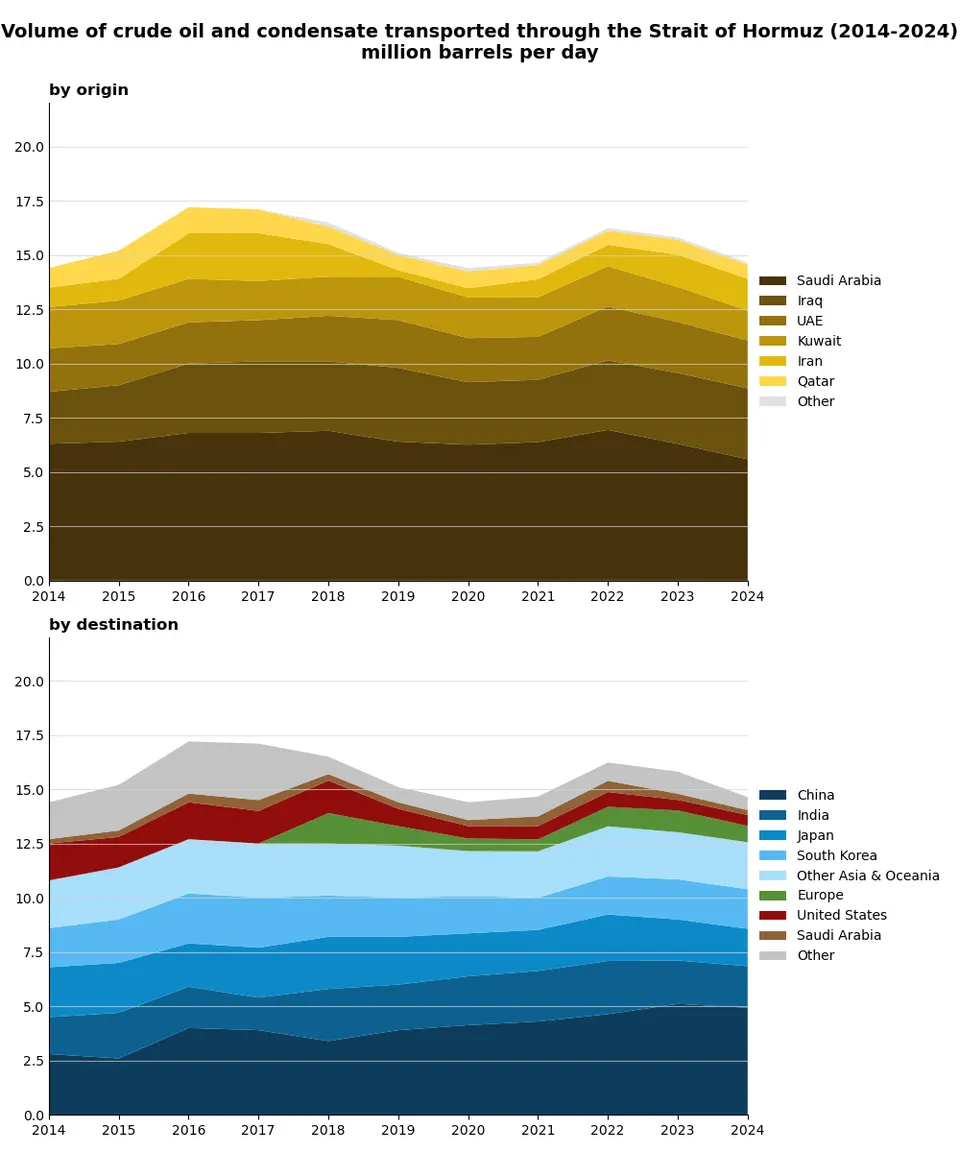
The Strait of Hormuz, a narrow waterway between Oman and Iran, is one of the world’s most critical maritime chokepoints. Roughly 20% of global petroleum—both crude oil and refined products—passes through this 21‑mile-wide strait each day, making it a vital conduit for energy‑dependent economies. Because the flow of oil is so concentrated, any disruption—whether from military conflict, piracy, or even routine maintenance—can send shockwaves through global oil markets, instantly affecting prices and exchange rates such as the USD/IRR.
Geopolitical tension in the region, especially between Iran and the United States, amplifies the “risk premium” baked into oil prices. When the prospect of a closure or a military incident rises, traders price in the possibility of supply shortages, which can lift Brent and WTI futures by several dollars per barrel. This risk premium not only influences oil‑producing nations but also reverberates through unrelated markets, from the Australian housing sector—where higher oil costs can dampen construction activity—to cryptocurrency markets, which sometimes attract investors seeking assets uncorrelated with traditional commodities.
Historically, the strait has been a flashpoint. The 1980s Iran–Iraq War saw both sides laying naval mines, and more recently, 2019‑2021 saw a series of drone and missile attacks on tankers. Each episode underscored how fragile the supply chain is and why nations maintain strategic petroleum reserves and diversify supply routes, such as via the Cape of Good Hope. Understanding the strategic importance of the Strait of Hormuz helps explain why markets vigilantly watch diplomatic signals from Doha or any venue where Iranian delegations meet.
For policymakers and investors alike, the key takeaway is that the strait’s security is a barometer of broader market stability. A de‑escalation, signaled by diplomatic talks in places like Doha, can quickly translate into lower oil volatility, stabilizing currencies and easing pressure on sectors sensitive to energy costs. Conversely, heightened tensions can trigger a cascade of risk‑off behavior across asset classes worldwide.