Global Markets Brace as South Korea Unveils Massive Renewable Energy Platform; Trump's Crypto Windfall Sparks Controversy
بازارهای جهانی در انتظار سکوی انرژی پاک کرهجنوبی؛ سود هنگفت ترامپ از رمزارزها جنجالبرانگیز شد
South Korea has launched its largest-ever renewable energy platform, a $1.3 billion venture by KKR and SK Inc, signaling a major shift in the nation's energy landscape amid soaring demand from AI and chip manufacturing. Meanwhile, Donald Trump's financial disclosures reveal a staggering $2 billion in earnings from crypto ventures, igniting fresh conflict-of-interest debates in Washington.
At time of publishing
USD
173,950
Toman
Gold 18K
16.96M
Toman / gram
Bitcoin
$58,638
US Dollar
Tether
175,532
Toman
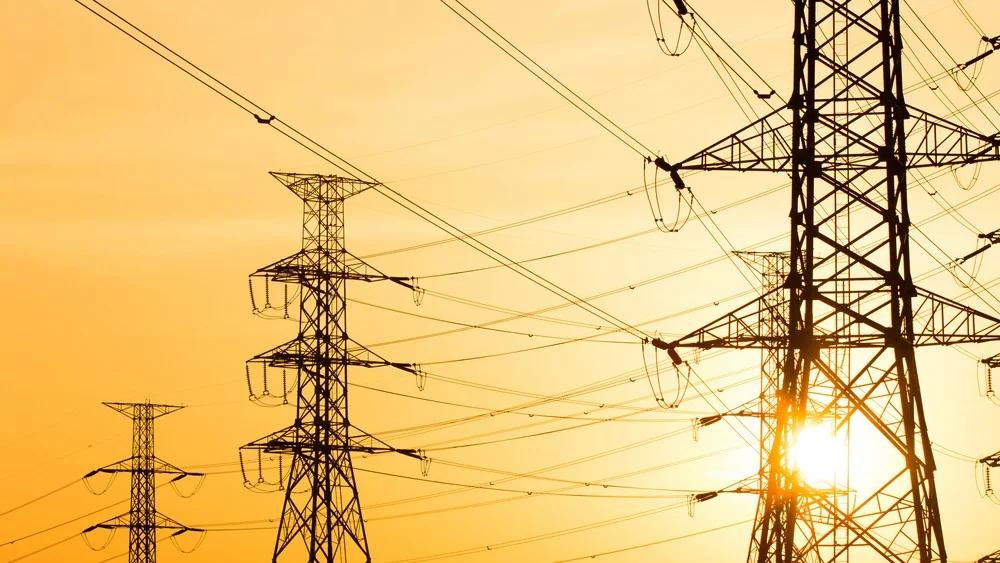
South Korea Ignites Green Energy Ambitions with $1.3 Billion Platform
Global investment firm KKR and South Korea's SK Inc have jointly launched what is now the largest renewable energy platform in South Korea, a significant $1.3 billion (2 trillion South Korean won) initiative aimed at meeting the country's burgeoning energy needs. This ambitious venture combines 1.7 gigawatts (GW) of existing clean energy capacity with a development pipeline projected to reach 10 GW. The move is strategically positioned to support the immense power demands driven by the rapid expansion of artificial intelligence and semiconductor manufacturing, sectors experiencing exponential growth in the region.
This colossal investment underscores a global trend towards decarbonization and energy independence, with South Korea actively seeking to bolster its renewable infrastructure. The partnership between KKR, a major player in global private equity, and SK Inc, a prominent South Korean conglomerate, brings substantial financial and operational expertise to the table. The platform's scale suggests a long-term commitment to sustainable energy sources, which could have ripple effects on regional energy markets and reduce reliance on fossil fuels, potentially impacting global oil prices and energy security dynamics.

---
Trump's Crypto Earnings Skyrocket, Fueling Conflict of Interest Concerns
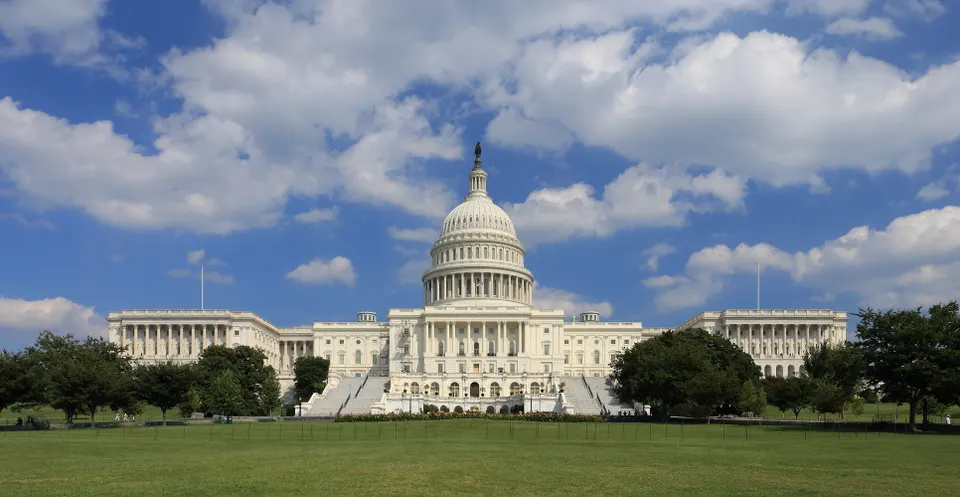
New financial disclosures reveal that former US President Donald Trump has amassed an astonishing sum of over $2 billion from his cryptocurrency ventures in the past year, significantly boosting his net worth. This windfall from digital assets, which reportedly eclipses much of his real estate portfolio, has reignited intense debate in Washington regarding potential conflicts of interest. Critics, including California Governor Gavin Newsom, have pointed to these earnings as evidence that Trump has personally profited immensely while his supporters may have faced losses, drawing parallels to the concept of a 'rug pull' in the crypto world.
The White House, however, has pushed back against these concerns, with a spokesperson asserting that the administration has "proudly made the US the crypto capital of the world." This defense, while celebrating innovation, does little to quell the ethical questions surrounding a former president's substantial gains from an industry that has often been scrutinized for its volatility and regulatory challenges. The sheer scale of Trump's crypto income, detailed in a 927-page filing with the US Office of Government Ethics, presents a complex picture of his financial dealings and raises broader questions about the intersection of political power and emerging digital economies.
---
UK Politics in Turmoil Over Defence Spending and Restructuring Woes
British Prime Minister Keir Starmer is facing intense scrutiny in Parliament following backlash over his proposed defence investment plan, which reportedly necessitates cuts to vital road projects. The debate, occurring during Prime Minister's Questions (PMQs), highlights a significant political challenge as the government grapples with balancing national security needs against infrastructure development and public services. Minister Dan Jarvis has defended the plan, emphasizing the necessity of robust defense capabilities in the current geopolitical climate, while figures like Andy Burnham are being positioned as potential future leaders who can secure necessary funding.
Adding to the economic unease, the retail sector is witnessing further consolidation and closures. Up to 150 former WH Smith stores are set to shutter after the high court approved a significant restructuring plan for the retail group, now owned by private equity firm Modella Capital. This move, which involves debt write-offs and rent reductions, will impact thousands of jobs and underscores the ongoing challenges faced by traditional high street businesses. These domestic political and economic pressures come at a time when global markets are already navigating complex energy transitions and the ripple effects of geopolitical tensions, creating a volatile environment for both investors and consumers.

Frequently Asked Questions
What is the significance of South Korea's new renewable energy platform?
What are the concerns surrounding Donald Trump's crypto earnings?
How is the UK political landscape currently shaped by defense spending and retail issues?
What is the current trend for USD/IRR and related markets in Iran?
Are there any major developments in the crypto market beyond Trump's disclosures?
Understanding Conflict of Interest in Public Office
A "conflict of interest" arises when an individual in a position of authority, such as a public official, has competing professional or personal interests that could make it difficult to fulfill their duties impartially. In essence, it's a situation where a person's private interests – often financial – could potentially influence their official decisions or actions, leading to a deviation from their primary responsibility to serve the public good. This concept is particularly critical in governance, as it directly impacts public trust and the integrity of democratic institutions.
The controversy surrounding Donald Trump's cryptocurrency holdings, for instance, highlights how personal financial assets can create a perceived or actual conflict. If a public official holds significant investments in a particular asset class, like cryptocurrency, and then takes actions or makes statements that could directly impact the value of that asset, questions inevitably arise about whether their decisions are truly in the public interest or influenced by personal gain. This isn't unique to cryptocurrencies; it applies equally to stock holdings, real estate, or business ventures.
To safeguard against conflicts of interest, various mechanisms are employed. These include mandatory financial disclosures, where officials must publicly declare their assets and income sources. Another common approach is recusal, where an official steps aside from decisions where they have a personal stake. Blind trusts, where assets are managed by an independent third party without the official's knowledge of specific holdings, are also used to create a firewall between personal wealth and public duty.
Ultimately, the goal of addressing conflicts of interest is to ensure transparency, accountability, and fairness in public administration. When citizens believe their leaders are making decisions based on personal enrichment rather than the common good, it erodes faith in government and can lead to widespread skepticism. Understanding this fundamental concept is crucial for evaluating the ethical conduct of public figures and demanding higher standards of governance.