Iran Issues Stern Warning to Israel Amid Doha Nuclear Progress; Trump’s Crypto Empire Hits $1.2B
هشدار تند ایران به اسرائیل همزمان با پیشرفت مذاکرات دوحه؛ ثروت کریپتویی ترامپ به ۱.۲ میلیارد دلار رسید
Tehran warns of an immediate response to any Israeli threat while negotiators in Doha establish working groups for a final nuclear deal. Meanwhile, Donald Trump’s crypto fortune has surged to $1.2 billion, and the Fed signals a more unpredictable interest rate path.
At time of publishing
USD
173,450
Toman
Gold 18K
17.13M
Toman / gram
Bitcoin
$58,707
US Dollar
Tether
174,520
Toman
Tehran Issues Strategic Warning Amid Regional Friction
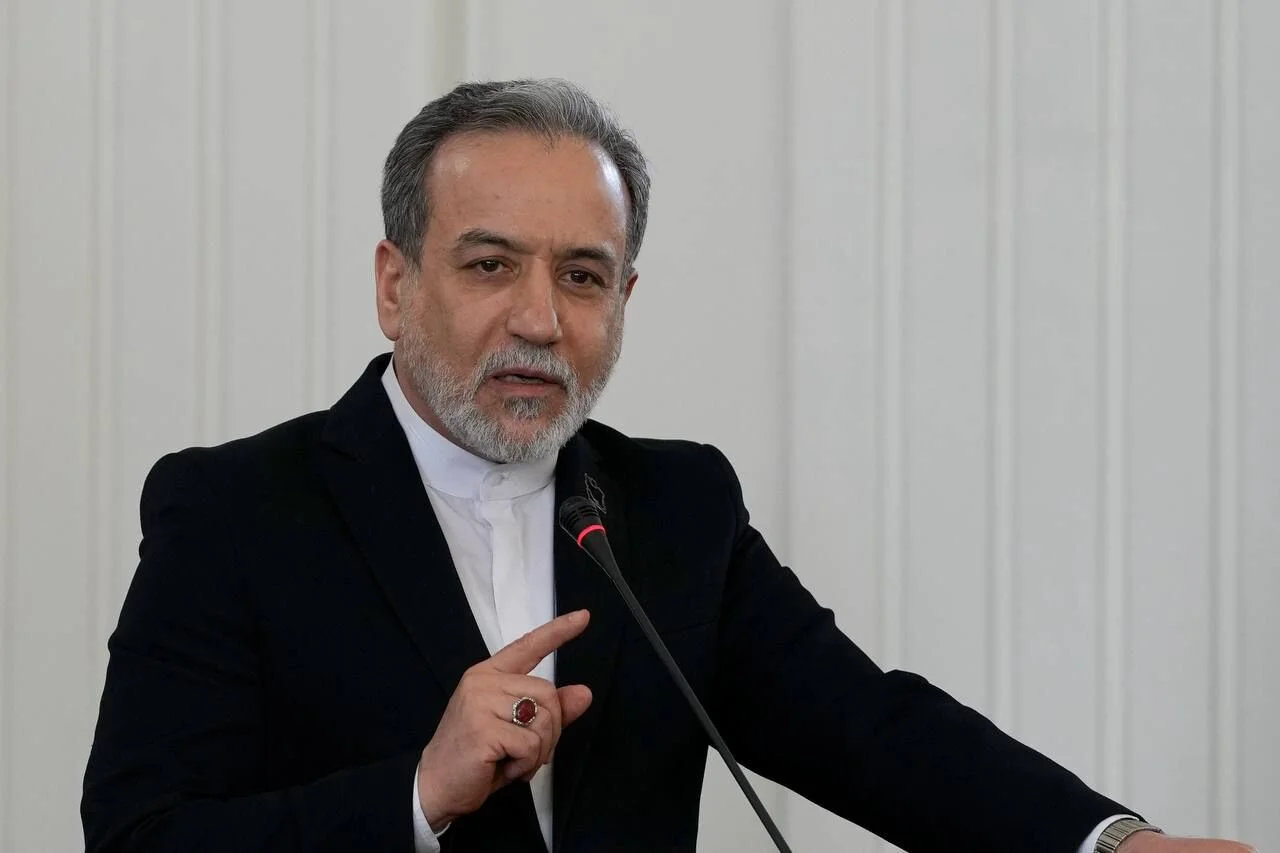
Iranian Foreign Minister Abbas Araghchi has issued a sharp and unambiguous warning to Israel, stating that any threat against Iran’s leadership or its people will be met with an "immediate and powerful response." This rhetoric follows a series of harsh remarks from the Israeli defense establishment and comes at a time when regional tensions are already at a boiling point. For the Iranian public and market participants, such statements are more than just diplomacy; they are direct signals of geopolitical risk that immediately translate into market volatility.
In the last 24 hours, the local currency market has already begun to price in this heightened risk. The USD/IRR exchange rate moved from 172,550 to 173,450 (+0.5%), reflecting a cautious stance among traders. While the military rhetoric is fierce, the market is currently in a "wait-and-see" mode, balancing the threat of escalation against the ongoing diplomatic efforts in the region. Investors are increasingly looking at gold and hard currency as hedges against any potential kinetic conflict that could disrupt the current fragile stability.
Diplomacy in Doha: Working Groups and the Final Deal
Despite the shadow of conflict, the diplomatic track is moving with surprising momentum in Qatar. Kazem Gharibabadi, Iran’s senior negotiator, confirmed that specific working groups have been established in Doha to follow up on the implementation of understandings and to negotiate the final text of a nuclear agreement. This shift from high-level political posturing to technical "nitty-gritty" suggests that both Tehran and Washington are seeking a pragmatic exit from the current sanctions regime, even as ship traffic in the Strait of Hormuz remains a point of contention.

For the Iranian economy, the success of these Doha talks is the single most critical factor for medium-term recovery. A final deal would not only unlock frozen assets but also provide the Central Bank of Iran (CBI) with the foreign exchange liquidity needed to stabilize the Toman. However, the market remains skeptical due to years of stalled negotiations. This skepticism is reflected in the gold market, where the price of 18k gold rose from 16,841,959 to 17,133,755 Toman (+1.7%) today, as buyers prefer the safety of bullion over the uncertainty of diplomatic outcomes.
Fed Policy Shift: The End of Forward Guidance
On the global stage, newly appointed Federal Reserve Chair Kevin Warsh has signaled a major departure from the transparency of his predecessors. Warsh warned investors not to expect "forward guidance"—the practice of telegraphing future rate moves months in advance. By emphasizing a strictly data-dependent and somewhat unpredictable approach, Warsh aims to reclaim the Fed's flexibility, but at the cost of increased market anxiety. This pivot means that global markets must now brace for higher volatility with every new economic data release.
This shift has profound implications for the price of gold and the US Dollar globally. With the gold ounce currently trading at $4,049.20, the lack of clear Fed guidance could propel the metal toward new psychological resistance levels if inflation data surprises to the upside. In Iran, this global uncertainty compounds domestic pressures. The Emami coin price has already climbed from 171,500,000 to 174,000,000 Toman (+1.5%), driven by both the rise in international gold benchmarks and the local currency's slight depreciation.
Trump’s $1.2 Billion Crypto Windfall and Market Legitimacy
Donald Trump’s latest financial disclosures have revealed a massive expansion of his personal wealth through digital assets, with his crypto-related earnings now exceeding $1.2 billion. Much of this fortune is tied to his involvement with "World Liberty Financial" and various licensing deals for branded digital assets. While the White House has dismissed concerns over potential conflicts of interest by citing the use of "blind accounts," the sheer scale of the President's personal stake in the crypto ecosystem is unprecedented in American history.
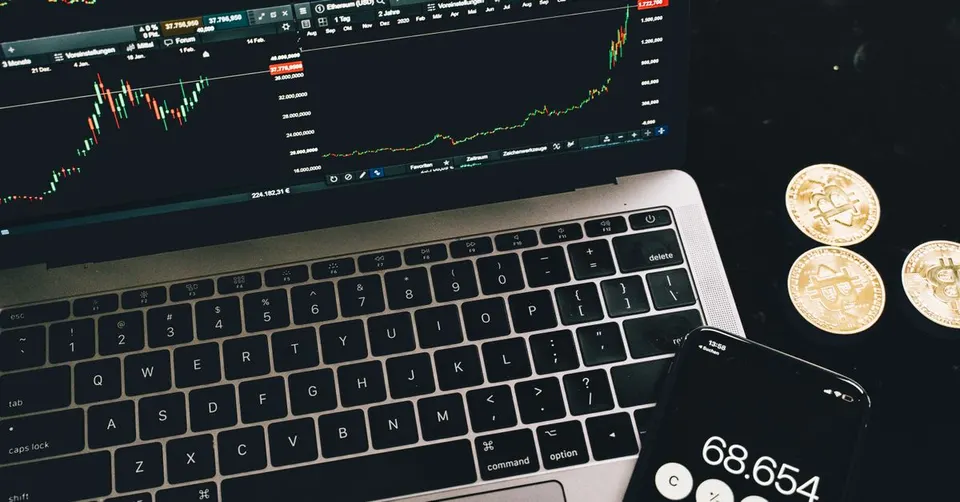
This development provides a powerful, if controversial, psychological floor for the broader crypto market. Having a sitting US President with such significant personal exposure to the industry suggests a level of regulatory protection that was unthinkable just a few years ago. For Iranian crypto traders, who often use Tether (USDT) as a primary vehicle for capital preservation, the stability of the global crypto infrastructure is paramount. As the USDT/Toman rate holds at 174,520, the intersection of US politics and digital finance continues to be a primary driver of local investment strategies.
Frequently Asked Questions
How did the USD/IRR exchange rate react to the recent Iran-Israel tensions?
What is the significance of the new working groups established in Doha?
Why is the 1.7% jump in gold prices significant for Iranian investors?
How does Trump's $1.2 billion crypto portfolio affect the global market?
Understanding the Strait of Hormuz: A Global Choke Point
The Strait of Hormuz is more than just a narrow waterway; it's a critical geopolitical choke point, a term used to describe a confined geographical area that significantly restricts the movement of goods, people, or resources. For centuries, such strategic passages have held immense military and economic importance, and the Strait of Hormuz stands out as perhaps the most vital maritime choke point in the world today, particularly for global energy markets. Its strategic location at the mouth of the Persian Gulf makes it indispensable for international trade.
Approximately one-fifth of the world's total petroleum consumption, and a substantial portion of the world's liquefied natural gas (LNG), transits through this narrow passage daily. This immense volume of energy resources makes the Strait of Hormuz a linchpin of global energy security. Any disruption, whether due to political tensions, military conflict, or even a major shipping accident, can send shockwaves through international oil and gas markets, leading to volatile price spikes and significant economic instability worldwide.
Given its strategic importance, the Strait of Hormuz is a frequent focal point of regional and international tensions. Iran, bordering the Strait, has historically used threats to its navigation as leverage in diplomatic disputes, particularly concerning its nuclear program or international sanctions. The presence of major naval forces from various countries underscores the global interest in maintaining its free and safe passage, highlighting the delicate balance between national sovereignty and international economic imperatives.
Understanding the Strait of Hormuz is crucial for anyone seeking to comprehend the intricate dynamics of Middle Eastern geopolitics, global energy economics, and international security. It serves as a constant reminder of how a seemingly small geographical feature can exert profound influence over the world's economy and political landscape, making it a key concept for informed global citizenship.