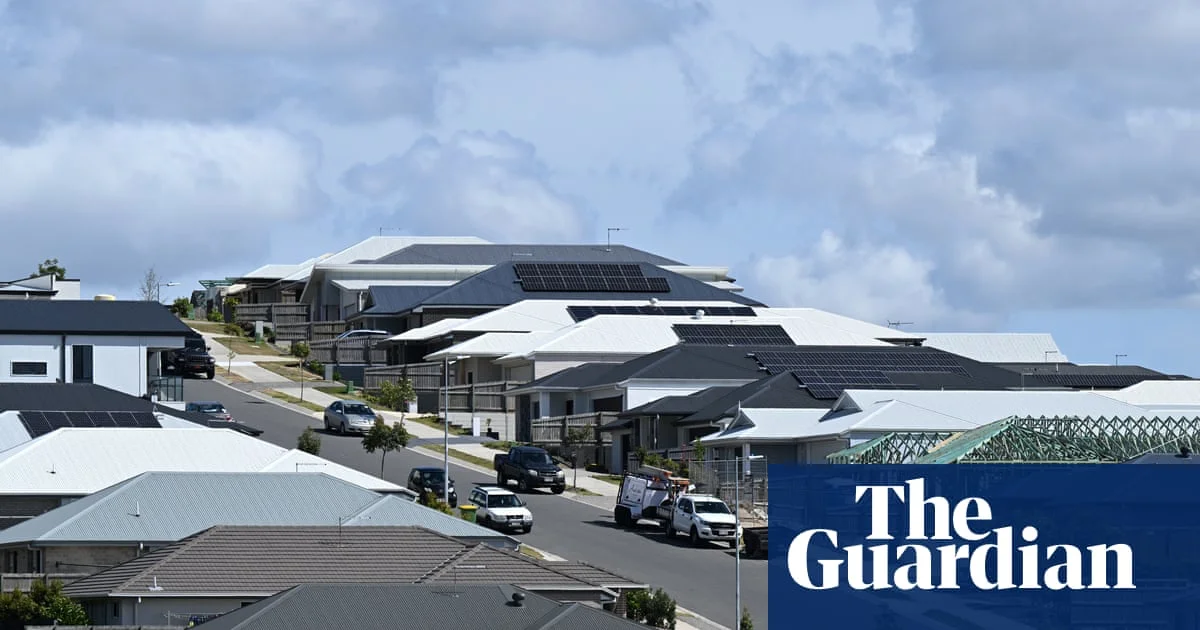
Australia's Mortgage Pain, UK Defense Debate, and Iran's Missile Red Line Dominate Briefing
دردسر وام مسکن استرالیا، بحث دفاعی بریتانیا و خط قرمز موشکی ایران در خبرنامه امروز
Australia's mortgage burden has surpassed 1989 levels, signaling significant financial strain despite lower interest rates. Meanwhile, the UK is embroiled in a political debate over defense funding, while Iran firmly states its missile and drone capabilities are non-negotiable. Markets show mixed signals, with Bitcoin holding steady and gold prices climbing.
At time of publishing
USD
172,950
Toman
Gold 18K
17.22M
Toman / gram
Bitcoin
$59,536
US Dollar
Tether
174,500
Toman
Australia's Mortgage Burden Hits Record Highs
New analysis from KPMG reveals that Australia's national mortgage burden is now heavier than it was in 1989, a period when interest rates soared to 17%. This finding challenges the common narrative that previous generations had a tougher time with homeownership. Economist Terry Rawnsley, who conducted the research, aims to debunk the myth that older generations faced greater financial hurdles in buying and servicing homes.
The implications of this sustained mortgage pressure are significant for the Australian economy. While current interest rates are considerably lower than the peaks of the late 1980s, the sheer volume of debt and the sustained cost of servicing it are creating a substantial burden for a large segment of the population. This could lead to reduced consumer spending, increased household financial stress, and potentially impact the broader property market, even as headline rates are lower.

---
UK Defense Funding Debate Intensifies
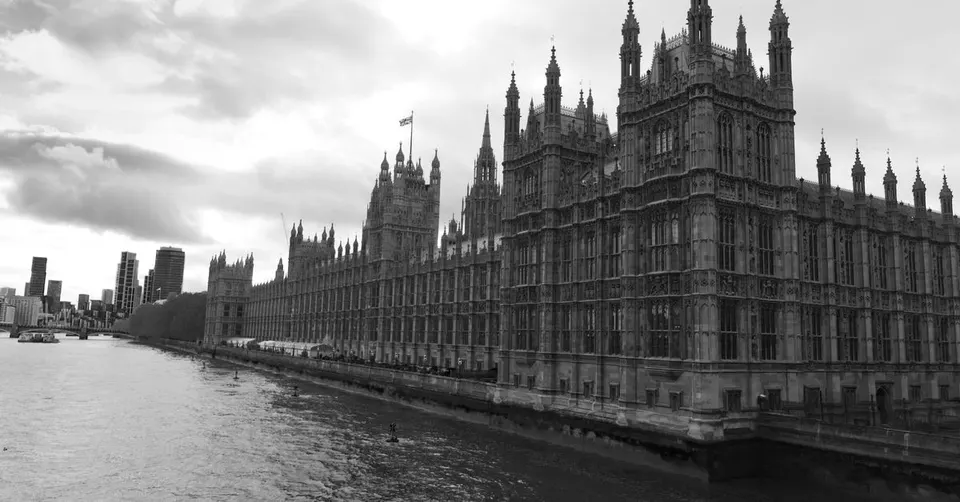
A political storm is brewing in the United Kingdom over the government's defense investment plan. Concerns have been raised by ministers and MPs regarding a potential funding shortfall, with some describing it as a "black hole." The debate centers on whether the proposed defense budget is credible and sustainable, with accusations that funding might be diverted from crucial infrastructure projects like road development.
Minister and MPs are reportedly "furious" over potential cuts to road projects to bolster defense spending. This internal conflict highlights the difficult balancing act facing the government: maintaining national security in an increasingly volatile global landscape while also addressing domestic infrastructure needs. The opposition, led by figures like Andy Burnham, is using this as a political opportunity, urging condemnation of the plan and questioning its financial credibility. The Prime Minister's office, however, maintains that the funding is "credible."
---
Iran Declares Missile Capabilities a "Red Line"
Iran's acting defense minister has issued a stern warning, stating that the country's missile and drone capabilities are a "red line" and will not be subject to any negotiations. This declaration comes amidst heightened regional tensions and international scrutiny of Iran's military programs. The statement underscores Tehran's unwavering stance on its defensive and offensive missile technology, framing it as a cornerstone of national security.
This firm declaration by Iran serves as a clear signal to global powers, particularly the United States and its allies, that any diplomatic efforts or sanctions aimed at curbing its missile development will face strong resistance. The US, through statements by Vice President JD Vance, has previously signaled a readiness to use force if diplomacy fails, especially concerning Iran's nuclear program and broader regional activities. Iran's unwavering position on its missile program adds another layer of complexity to an already fraught geopolitical landscape.

---
Markets Show Mixed Signals: Bitcoin Steady, Gold Rises
Global markets are exhibiting a mixed performance. Bitcoin has remained relatively stable, trading near the $59,000 mark, a level that approaches its lowest point in 22 months, following significant quarterly losses and ongoing rate jitters. Federal Reserve Chair Kevin Warsh's recent statements, suggesting a reduction in inflation risks but offering no hints on future interest rate moves, have contributed to this cautious sentiment. Investors are wary of forward guidance, reflecting uncertainty about the Fed's next steps.
In contrast, gold prices have seen a notable increase, with the 18k/gram rate in Iran rising by 2.3% in the last 24 hours, and the USD ounce climbing. This uptick in gold prices, alongside a slight appreciation of the USD against the Iranian Toman (+0.2%), suggests a continued demand for safe-haven assets amid geopolitical uncertainties and mixed economic signals. The Nasdaq-100's performance in the first half of 2026, heavily reliant on just 10 stocks, also points to a concentrated market, amplifying concerns about broader market stability.

Frequently Asked Questions
Why is Australia's mortgage burden a concern?
What is the core of the UK's defense funding debate?
What does Iran mean by its missile capabilities being a 'red line'?
How are Bitcoin and gold performing in the current market?
What is the significance of the Nasdaq-100's performance?
The Economic Impact of Interest Rate Hikes on Mortgage Holders
When headlines speak of "mortgage pain," they're often referring to the direct consequences of central banks raising interest rates. This is a fundamental tool of monetary policy, employed by institutions like the Reserve Bank of Australia or the U.S. Federal Reserve, primarily to combat inflation. When the cost of goods and services rises too quickly, central banks increase their benchmark interest rates, making borrowing more expensive across the economy. The goal is to cool down economic activity by discouraging spending and investment, thereby bringing inflation back to target levels.
The most immediate and significant impact of these hikes is felt by individuals with variable-rate mortgages. Unlike fixed-rate mortgages, where interest payments remain constant for a set period, variable rates adjust in line with the central bank's benchmark rate. This means that a homeowner's monthly mortgage payment can increase substantially, sometimes within weeks of a rate hike announcement. This sudden increase in housing costs directly reduces a household's disposable income, forcing them to re-evaluate their budgets and cut back on other expenditures.
Beyond individual households, the ripple effect extends to the broader housing market and the economy. Higher mortgage rates make homeownership less affordable for prospective buyers, potentially leading to a slowdown in housing sales and, in some cases, a correction or decline in property values. For the wider economy, reduced consumer spending due to higher mortgage payments can dampen overall demand, affecting retail, services, and other sectors. This is precisely the intended mechanism of monetary policy: to slow down an overheating economy, but it comes with the trade-off of increased financial burden for many.
Countries like Australia, which historically have a higher proportion of variable-rate mortgages compared to, say, the United States where fixed-rate mortgages are more common, can experience this "mortgage pain" more acutely and rapidly. Understanding this direct link between central bank policy, interest rates, and household finances is crucial for comprehending economic news and the real-world implications of macroeconomic decisions.