Russians Pessimistic Amid Ukraine War; AI Datacenters Fuel Australian Inflation Fears
بدبینی روسها در بحبوحه جنگ اوکراین؛ دیتاسنترهای هوش مصنوعی عامل نگرانی تورم در استرالیا
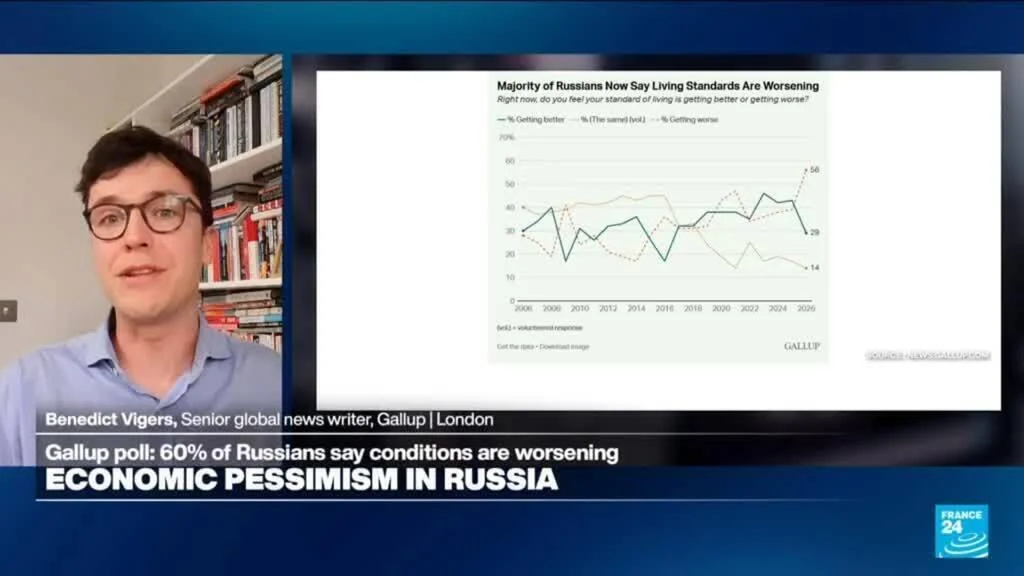
New polling reveals over half of Russians are pessimistic about the future for the first time in two decades, signaling a potential psychological turning point amid the ongoing war in Ukraine. Meanwhile, rapid demand for AI datacenters in Australia is raising concerns about inflation and housing availability.
At time of publishing
USD
173,250
Toman
Gold 18K
17.19M
Toman / gram
Bitcoin
$60,261
US Dollar
Tether
174,500
Toman
Russians Express Unprecedented Pessimism Amid Ukraine War
Recent polling data from Gallup reveals a significant shift in Russian public sentiment, with over half of the population now expressing pessimism about the future. This marks the first time in twenty years that such a high level of negativity has been recorded, challenging previous assumptions that Russians had largely rallied behind the state despite the ongoing war in Ukraine and international sanctions. The research, drawing on over two decades of continuous polling, suggests this is not merely an economic downturn but a broader psychological turning point.
Why This Matters: This widespread pessimism could have significant implications for domestic stability and the Kremlin's ability to maintain public support for the protracted conflict. Declines in trust across economic perceptions, state institutions, the military, electoral processes, and media freedom paint a grim picture of public morale. For global markets, a more disillusioned Russian populace might signal potential internal pressures that could indirectly affect energy supplies or geopolitical calculations, though direct market impacts remain uncertain given the country's economic isolation. It underscores the long-term psychological toll of prolonged conflict and sanctions on a nation's psyche.

---
Australian AI Datacenters Spark Inflation and Housing Concerns
The burgeoning demand for Artificial Intelligence datacenters in Australia is creating a ripple effect, leading experts to warn of potential inflation and a critical shortage of land for housing. Transport for NSW and the Reserve Bank have voiced concerns that the rapid expansion of these facilities could divert scarce industrial land away from logistics firms and much-needed housing developments. This competition for land is expected to drive up prices, potentially overheating the economy.
Why This Matters: For ordinary Australians, this translates into tangible concerns about rising living costs and the affordability of housing. Increased inflation erodes purchasing power, while a lack of housing supply exacerbates existing affordability crises. Indirectly, this situation could also affect global investment trends in AI infrastructure, potentially influencing the cost and availability of AI services worldwide. Policymakers in Australia are now facing pressure to implement stronger protections and consider a national pause on new datacenters until a more balanced approach to land use and economic growth can be established. The situation highlights the double-edged sword of rapid technological advancement, where immense growth in one sector can create significant challenges in others.
---
Space and Defense Stocks Touted as 'Best Time in a Generation' to Invest
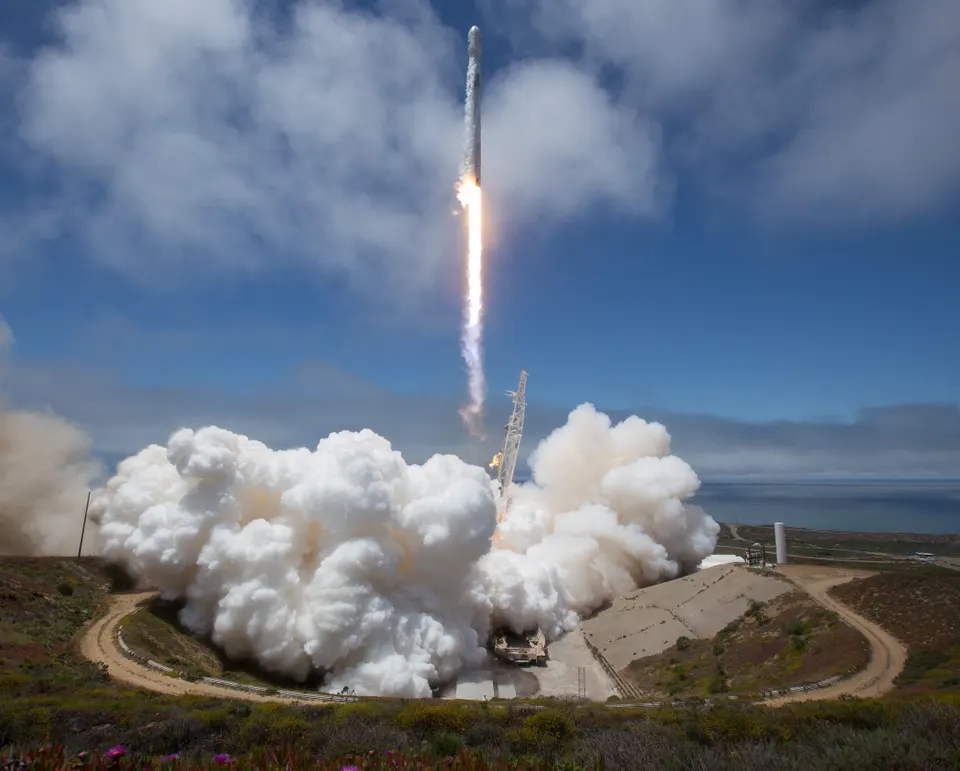
Analysts at Wedbush are presenting a strongly bullish outlook on the space and defense sectors, initiating coverage on companies like SpaceX and suggesting that current market conditions represent an unparalleled investment opportunity. This optimistic assessment is driven by a confluence of factors, including increased geopolitical tensions, advancements in space technology, and substantial government investment in defense capabilities.
Why This Matters: For investors, this presents a potential avenue for significant returns, particularly those looking to capitalize on long-term growth trends in aerospace and military technology. The sector's resilience and growth prospects are seen as attractive in an otherwise uncertain global economic climate. For the broader economy, increased investment in these sectors can spur innovation, create high-skilled jobs, and bolster national security. This sentiment also reflects a global recalibration of priorities, where the strategic importance of space and advanced defense systems is being increasingly recognized, potentially leading to further technological breakthroughs and commercial applications.
Watch
Amid war on Ukraine, 'over half of Russians expressing pessimism for the first time in 20 years'
FRANCE 24 English
Frequently Asked Questions
What is causing the widespread pessimism in Russia?
How are AI datacenters impacting Australia's economy?
Why are space and defense stocks considered a good investment now?
What is the significance of the new Russian polling data?
The Inflationary Ripple of Emerging Technologies: The AI Datacenter Effect
The news headline touches upon a fascinating and increasingly relevant economic phenomenon: how the rapid expansion of a new, resource-intensive technology can generate unique inflationary pressures. While inflation is often discussed in terms of monetary policy or supply chain disruptions, the rise of sectors like Artificial Intelligence (AI) and their foundational infrastructure, such as massive datacenters, introduces a distinct form of structural inflation.
AI datacenters are not just ordinary buildings; they are colossal consumers of electricity, advanced microchips, cooling systems, and specialized real estate. The sudden and accelerating demand for these resources creates a significant demand shock. For instance, the need for vast amounts of clean energy to power these facilities strains existing grids and drives up energy prices. Similarly, the competition for high-performance graphics processing units (GPUs) and other advanced semiconductors, crucial for AI computation, pushes their costs higher, impacting not just the tech sector but also other industries reliant on these components.
Beyond energy and hardware, the construction and operation of these datacenters also require specialized labor—engineers, technicians, and construction workers with specific skill sets. This competition for talent can lead to wage inflation in certain sectors. Moreover, the demand for suitable land and infrastructure in specific geographical locations (like Australia, as mentioned in the headline) can inflate real estate values and construction costs, further contributing to the overall price level in the local economy.
This "technological inflation" differs from typical demand-pull or cost-push inflation in its origin; it stems from the foundational requirements of a rapidly scaling, high-value industry. Understanding this mechanism is crucial for policymakers and investors, as it suggests that even without broad economic overheating or traditional supply shocks, specific technological advancements can inject persistent inflationary forces into the economy, requiring nuanced responses.
Data centres, artificial intelligence and cryptocurrencies: A new challenge for electricity networks
iea.org
Inflation: What It Is, How It Can Be Controlled, and What Are the Pros and Cons?
investopedia.com
Structural Inflation: Causes, Effects, and Examples
investopedia.com
AI's thirst for power strains grids, threatens climate goals
reuters.com