Kyiv Strikes and Hormuz Tensions: Markets Brace for New Sanctions Amid OpenAI Federal Pivot
حملات سنگین به کییف و تنش در هرمز؛ بازارها در انتظار تحریمهای جدید و سهم ۵ درصدی دولت آمریکا از OpenAI
A massive Russian strike on Kyiv killing 13 has triggered calls for fresh EU sanctions, while Tehran asserts total command over the Strait of Hormuz. Meanwhile, OpenAI is reportedly negotiating a 5% equity stake for the US government to align with national interests.
At time of publishing
USD
175,050
Toman
Gold 18K
17.46M
Toman / gram
Bitcoin
$60,084
US Dollar
Tether
177,783
Toman
Escalation in Ukraine: Kyiv Under Fire and the Sanctions Response
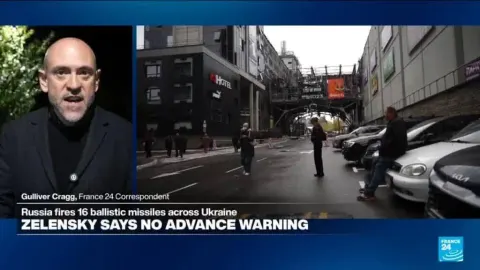
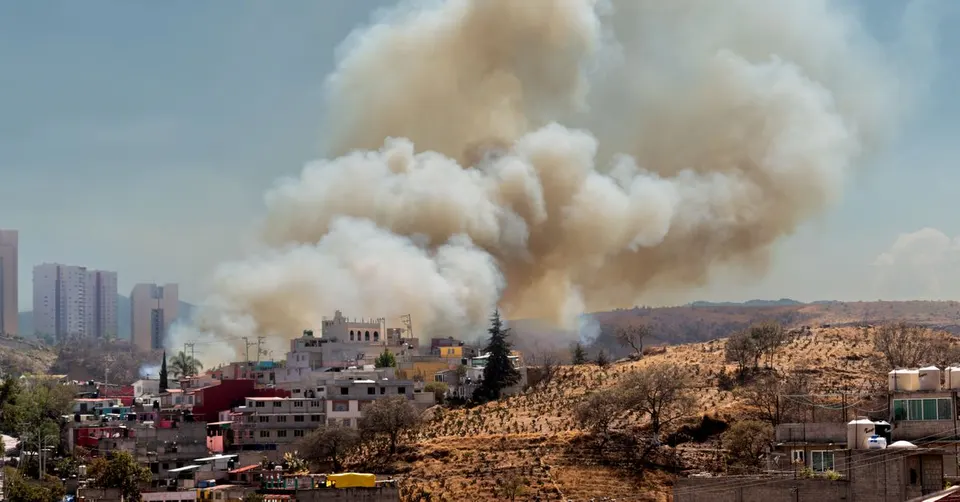
The geopolitical landscape shifted violently overnight as Russia launched a massive drone and missile attack on Kyiv, hitting at least 20 sites including residential buildings and a central hotel. Local authorities have confirmed at least 13 fatalities and over 86 injuries, with emergency services warning that the death toll could rise as rubble is cleared. This strike marks one of the most significant aerial bombardments in recent months, occurring at a time when Russia is reportedly facing fuel shortages following Ukrainian strikes on its own oil infrastructure.
In immediate response, the European Union’s foreign policy chief, Kaja Kallas, has signaled a sharp escalation in economic warfare. Kallas stated that "words of condemnation alone will not stop attacks" and announced plans to propose new sanctions targeting entities that support Russia’s military-industrial complex. For global markets, this signals a prolonged period of volatility. The prospect of tighter sanctions often leads to disruptions in energy supply chains and a flight to safety, which is already reflected in the gold markets today.
For the Iranian reader, this escalation is particularly relevant as it influences the global risk appetite. When the EU moves to tighten the screws on Moscow, the ripple effects often reach Tehran through diplomatic pressure and shifting trade dynamics. The immediate impact is visible in the local gold market, where Gold 18k/gram rose from 17,203,010 to 17,463,871 (+1.5%) within the last 24 hours, driven by both global ounce prices and a weakening local currency.
Sovereignty in the Strait: Tehran Challenges CENTCOM Authority
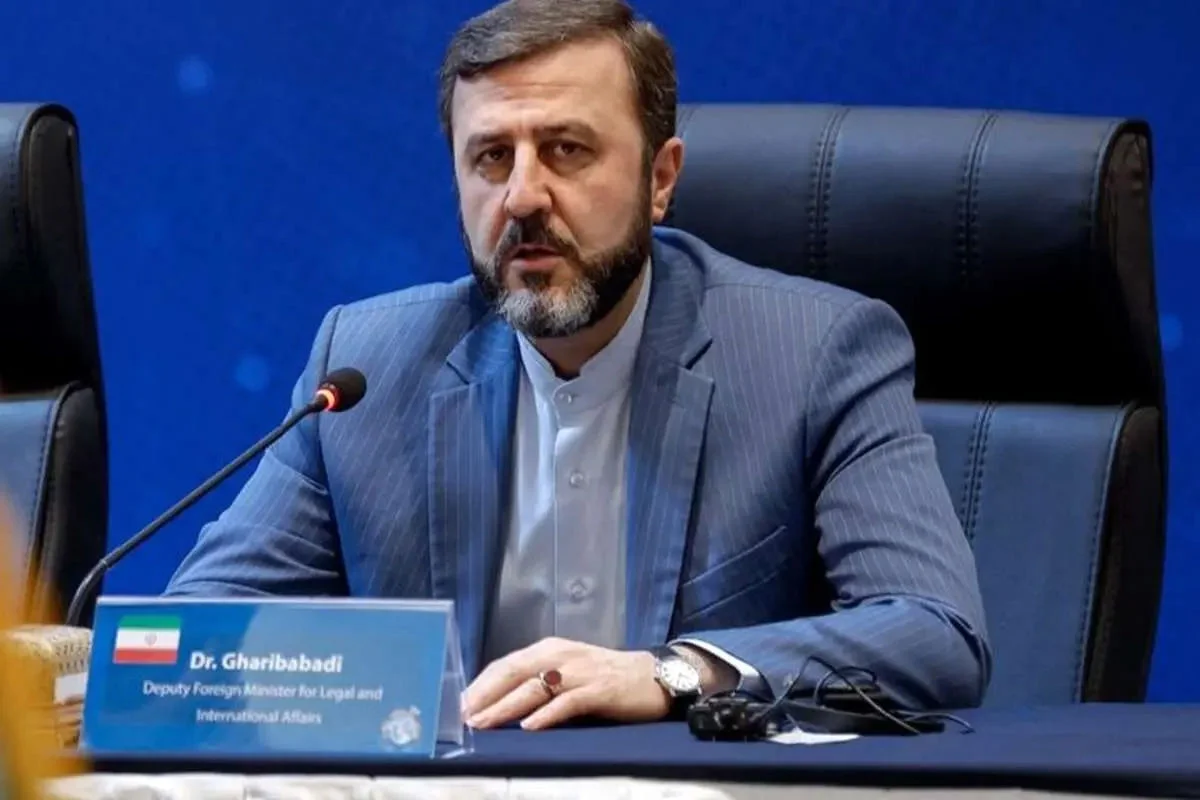
Geopolitical tensions closer to home have intensified as Iran’s deputy foreign minister, Gharibabadi, issued a stern rejection of a recent US Central Command (CENTCOM) security meeting held in Bahrain. Gharibabadi asserted that the Strait of Hormuz is strictly under Iran’s command and not subject to Washington’s strategic oversight. This rhetoric serves as a direct challenge to the US military presence in the Persian Gulf, emphasizing Tehran's view of regional security as a matter for local powers rather than external actors.
The timing of this statement is critical, as the Strait of Hormuz remains the world's most vital energy chokepoint, through which a significant portion of the world's oil and gas passes daily. Any verbal or physical escalation in this corridor immediately injects a risk premium into energy prices and regional currencies. In the Tehran market, the USD sell rate moved from 173,850 to 175,050 (+0.7%) over the last 24 hours, a move largely attributed to heightened regional anxieties and the anticipation of further diplomatic friction.
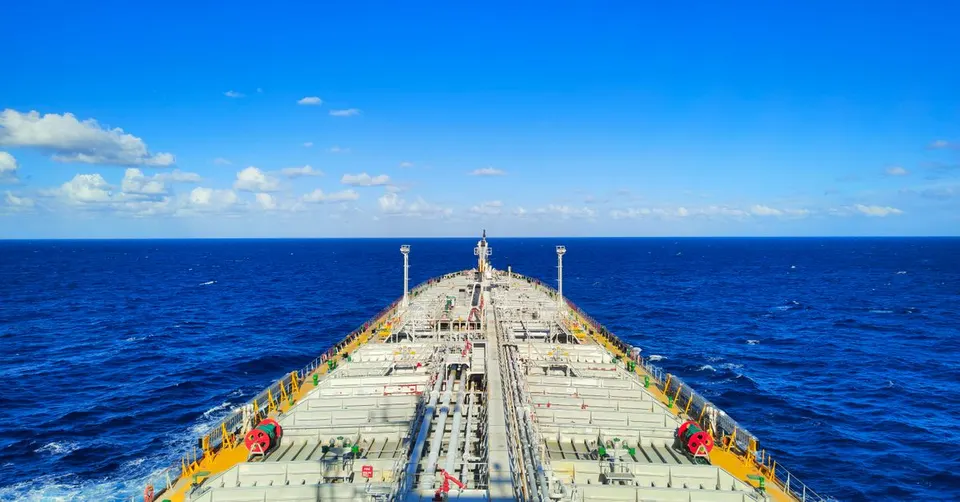
This assertion of control is not just a military statement but an economic one. By signaling its dominance over the Strait, Iran reminds the global community of its leverage over global energy security. For local investors, this translates to a persistent upward pressure on the dollar and gold, as the "war premium" remains baked into the price of assets. The Emami coin, for instance, has climbed from 174,500,000 to 177,000,000 (+1.4%), reflecting a market that is hedging against potential instability.
OpenAI’s Strategic Pivot: A 5% Stake for the US Government?
In a move that could redefine the relationship between Big Tech and the state, OpenAI is reportedly in early-stage discussions to grant the US government a 5% equity stake in the company. CEO Sam Altman has reportedly argued that this move would ensure the benefits of artificial intelligence are shared with the public and help smooth relations with the Donald Trump administration. This "national champion" approach marks a departure from the traditional independence of Silicon Valley firms, suggesting that AI is now viewed as a strategic utility rather than just a commercial product.
If this deal goes through, it could set a precedent for other AI giants like Google or Anthropic. The logic is twofold: it provides the government with a financial incentive to support the industry's growth while giving OpenAI a direct line to federal policy makers. This is particularly relevant as the US races against China for AI supremacy. For the global economy, this means AI development will become increasingly intertwined with national security and government policy, potentially leading to more restrictive export controls on AI technology to regions like the Middle East.
What this means for the broader tech market is a shift toward "sovereign AI." We are moving away from a globalized, open-source model toward one where the most powerful algorithms are guarded like nuclear secrets. For investors, this adds a layer of complexity; the value of these companies will no longer be determined solely by user growth or revenue, but by their strategic importance to the state. This trend is likely to drive further consolidation in the tech sector, as smaller firms struggle to compete with "state-backed" giants.
Watch
Russia launches deadly missile and drone attack on Kyiv • FRANCE 24 English
FRANCE 24 English
Frequently Asked Questions
Why is the price of gold rising in Iran today?
What does the potential 5% stake of the US government in OpenAI mean for the tech industry?
How significant is the recent statement regarding the Strait of Hormuz?
Understanding Currency Volatility and the Impact of Sanctions
Currency volatility refers to the rapid and unpredictable fluctuations in the exchange rate of a country's currency against others. This instability is often a telltale sign of underlying economic and geopolitical stress. When a nation's economic outlook is uncertain, or its political stability is questioned, investors and traders may lose confidence, leading to swift movements in currency values. Such volatility can have profound implications, affecting everything from import costs to the purchasing power of citizens.
One of the most potent drivers of currency volatility, particularly for economies like Iran's, is the imposition of international sanctions. Economic sanctions are punitive measures enforced by one or more countries against another, designed to achieve specific political or economic objectives. These measures typically restrict trade, investment, and access to the global financial system. By limiting a country's ability to export goods and services, sanctions drastically reduce its access to foreign currency, such as the US dollar, which is essential for international transactions.
The scarcity of foreign currency, coupled with diminished investor confidence and increased risk perception, directly weakens the sanctioned nation's currency. For instance, the Iranian Rial has historically experienced significant depreciation and volatility under various rounds of international sanctions. This weakening leads to higher import costs, fueling domestic inflation as essential goods become more expensive. Citizens often see their purchasing power erode rapidly, prompting a flight to more stable assets like gold or foreign currencies on black markets, further exacerbating the official currency's decline. Understanding this dynamic is crucial for interpreting market reactions to geopolitical tensions and sanction threats.