Beijing Rights Crisis and Tehran's Mourning: Markets React to Rising Geopolitical Friction
بحران حقوق بشر در پکن و سوگواری در تهران؛ واکنش بازارها به افزایش تنشهای ژئوپلیتیک
As a prominent Chinese journalist faces a health crisis in prison, Iran prepares for a historic transition following the death of its Leader. Meanwhile, OpenAI considers a strategic 5% stake for the US government, signaling a new era of nationalized AI oversight.
At time of publishing
USD
175,050
Toman
Gold 18K
17.36M
Toman / gram
Bitcoin
$60,277
US Dollar
Tether
177,000
Toman
Beijing’s Human Rights Standoff: The Case of Dong Yuyu
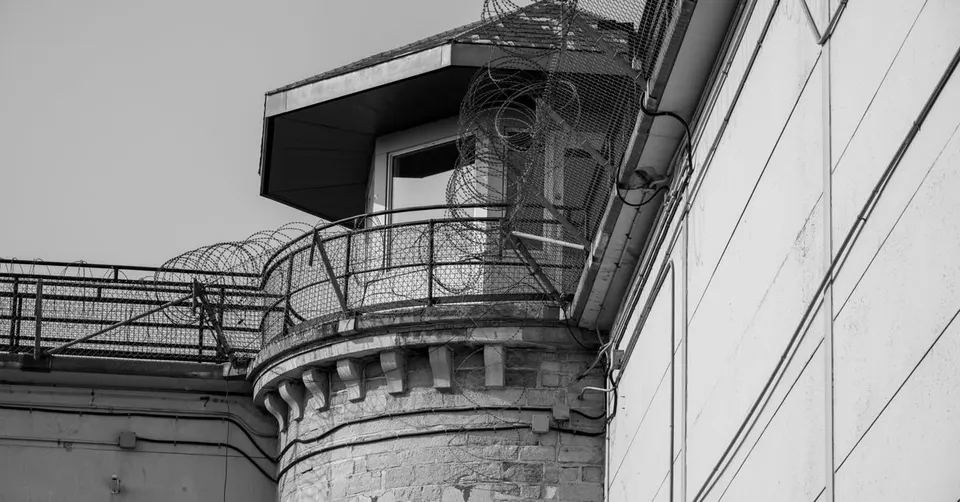
A critical human rights situation is unfolding in Beijing as the family of imprisoned Chinese journalist Dong Yuyu pleads for medical parole. Dong, a highly respected columnist who was detained in 2022 while meeting with a Japanese diplomat, is reportedly suffering from a lung tumor. The dispute between his family and prison authorities centers on the location and quality of treatment, with his relatives demanding access to specialized facilities outside the prison system. This development is not merely a domestic legal issue; it serves as a stark reminder of the risks faced by intellectuals and those maintaining international ties in China’s current political climate.
For international observers and market participants, this case underscores the ongoing friction between China and the West regarding civil liberties and the rule of law. As Western governments and human rights organizations increase pressure on Beijing, such incidents often become catalysts for broader diplomatic cooling or even targeted sanctions. In an era where global supply chains and investment flows are increasingly tied to geopolitical alignment, the treatment of high-profile political prisoners remains a key metric for assessing China's risk profile and its openness to international norms.
Iran in Transition: Ghalibaf Calls for National Unity
In Tehran, the political landscape is dominated by the upcoming funeral of the late Leader of the Islamic Revolution, Ayatollah Seyyed Ali Khamenei. Parliament Speaker Mohammad Bagher Ghalibaf has issued a formal call for a mass turnout, framing the procession as a powerful demonstration of national resolve and a "cry for retribution" to the global community. This period of mourning marks a profound moment of transition for the Islamic Republic, as the nation prepares to navigate the complexities of succession and the continuity of its ideological and political frameworks. The rhetoric coming from the Majlis suggests an emphasis on strength and defiance during this sensitive time.
Financial markets in Iran have reacted with notable volatility to these developments. The Iranian Rial has seen a downward shift, with the USD sell rate rising from 173,850 to 175,050 Toman, a 0.7% increase within the last 24 hours. This currency movement reflects a broader sense of caution among investors as they assess the potential for policy shifts or regional escalations. Similarly, the gold market has seen a significant surge; the Emami coin rose from 174,500,000 to 177,000,000 Toman (+1.4%), and 18-carat gold increased from 17,203,010 to 17,355,371 Toman (+0.9%). These figures indicate a flight to safe-haven assets as the public and institutional players hedge against political uncertainty.

AI Sovereignty: OpenAI’s Proposed 5% Government Stake
In a move that could redefine the relationship between private technology firms and national security, OpenAI is reportedly discussing a proposal to grant the United States government a 5% equity stake. This development emerges as Washington intensifies its oversight of advanced artificial intelligence models, viewing them as critical infrastructure comparable to energy or defense. By integrating the government into its ownership structure, OpenAI may be seeking to align its long-term development goals with national interests, potentially gaining smoother regulatory pathways and stronger protection against foreign industrial espionage.
This shift toward "AI nationalism" has profound implications for the global tech economy. If the US government takes a direct stake in the world's leading AI lab, it sets a precedent that other nations, particularly the EU and China, may feel compelled to follow. For investors, this adds a layer of complexity; while government backing provides a safety net and potential subsidies, it also introduces bureaucratic oversight and political considerations that could stifle the rapid innovation typical of the Silicon Valley model. The move signals that the era of AI as a purely commercial endeavor is rapidly ending, replaced by a reality where compute power is a primary instrument of state power.

Security Alarms in Europe: Drones and Missile Strikes
Security concerns across Europe have reached a fever pitch following reports of frequent, unidentified drone flights over NATO military assets. A new study suggests these activities are part of a coordinated campaign by Russian intelligence to probe Western defenses and gather tactical information on military readiness. This "gray zone" warfare—actions that fall below the threshold of open conflict but aim to destabilize or intimidate—is forcing European capitals to reconsider their domestic security protocols. The presence of these drones near sensitive sites suggests a level of surveillance that could precede more direct provocations, keeping defense markets and regional policy-makers on high alert.
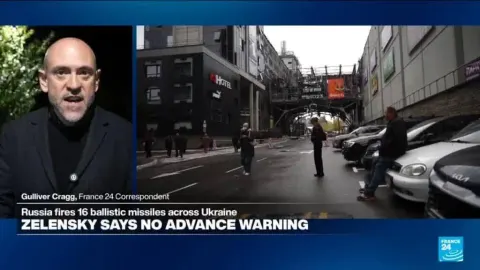
Compounding these tensions is the aftermath of a massive Russian strike on Kyiv, which left at least 13 people dead and dozens wounded. The attack, involving a barrage of missiles and drones, targeted residential areas and infrastructure, underscoring the ongoing brutality of the conflict. For global markets, the persistence of the war in Ukraine and the expanding scope of Russian reconnaissance in Europe maintain a high risk premium on energy and defense stocks. As NATO prepares a response, the possibility of further sanctions or increased military aid remains a central theme, ensuring that geopolitical risk continues to be a primary driver of market sentiment in the second half of 2026.

Frequently Asked Questions
Why is the US government considering taking a stake in OpenAI?
How has the Iranian market responded to the news of the Leader's funeral?
What is the significance of the drone sightings over NATO assets?
Understanding Geopolitical Risk in a Volatile World
Geopolitical risk refers to the potential for political events and instability—such as conflicts, regime changes, international disputes, and even human rights crises—to significantly impact global economic stability and financial markets. Unlike traditional economic risks, geopolitical risks are often unpredictable and can rapidly alter investor sentiment, disrupt supply chains, and trigger dramatic shifts in commodity prices. From regional skirmishes to major power competition, these events create a pervasive sense of uncertainty that can deter investment, slow economic growth, and lead to capital flight from affected regions.
The mechanisms through which geopolitical risks transmit to markets are varied. For instance, tensions in major oil-producing regions can send crude prices soaring, affecting energy costs worldwide and fueling inflation. Trade disputes or sanctions can disrupt global supply chains for critical goods, from semiconductors to agricultural products, leading to shortages and price increases. Currency markets are also highly susceptible, with currencies of nations perceived as unstable often depreciating against safer havens, as seen with the Iranian Rial's volatility amidst sanctions and internal political dynamics.
In the 21st century, geopolitical risk has taken on new dimensions, particularly with the rise of technological competition and what some term "AI nationalism." This refers to the strategic pursuit by nations to achieve dominance or self-sufficiency in critical technologies like artificial intelligence, often viewing it as a matter of national security and economic power. Governments may seek to control or influence key AI developers, impose export controls on advanced chips, or restrict data flows across borders, leading to a fragmented global tech landscape.
Ultimately, understanding geopolitical risk is crucial for investors, businesses, and policymakers alike. It requires a keen awareness of international relations, political developments, and their potential ripple effects across economies. As the world becomes increasingly interconnected yet simultaneously fragmented by national interests and technological rivalries, the ability to anticipate and navigate these complex risks will be paramount for economic resilience and stability.