Kyiv Under Siege: Russia Ramps Up Pressure as Tehran Warns of 'Miscalculations' Amid Funeral Tensions
محاصره کییف و هشدار تهران؛ افزایش فشار روسیه همزمان با آمادهباش نظامی در منطقه
A deadly escalation in Kyiv with 17 confirmed dead has sent shockwaves through global markets, while Tehran's military leadership issues stern warnings against foreign intervention during the Supreme Leader's funeral. These geopolitical shifts have pushed the USD/IRR up by 0.7% and Gold by 1.3% as investors seek safety.
At time of publishing
USD
175,150
Toman
Gold 18K
17.42M
Toman / gram
Bitcoin
$61,194
US Dollar
Tether
176,140
Toman
Geopolitical Escalation: Kyiv Under Fire and the Market Response
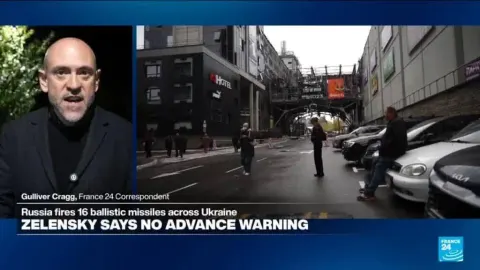
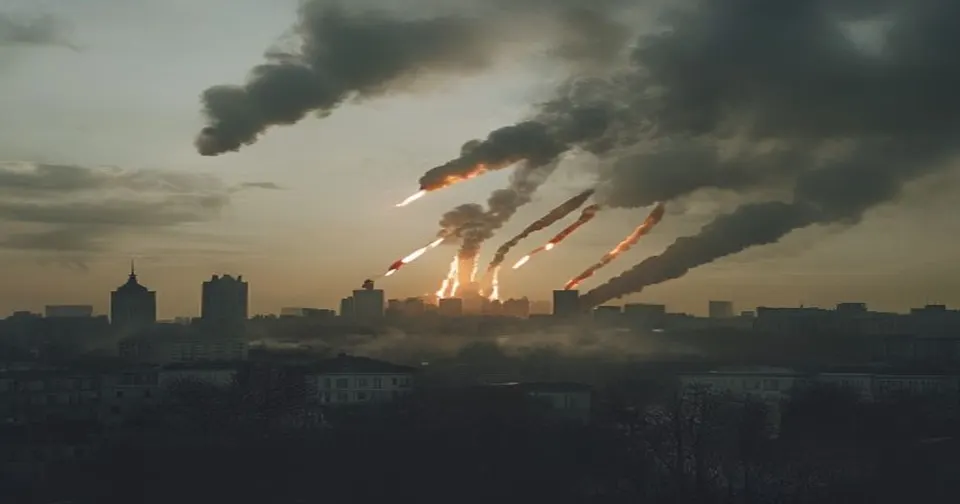
The conflict in Ukraine has entered a significantly more volatile phase this Thursday, as Russian forces launched a massive strike on Kyiv, resulting in at least 17 deaths and dozens of injuries. President Volodymyr Zelenskyy reported that over 20 sites, primarily residential buildings, were targeted in the overnight barrage. The Kremlin has signaled that this is not an isolated incident, warning that it will "continue to increase pressure" on the Ukrainian capital. This escalation is not just a humanitarian crisis; it is a direct driver of market anxiety. In Tehran, the response was immediate. The US Dollar (USD) rose from 173,850 to 175,150 Toman, a 0.7% increase within 24 hours, as the specter of a wider European conflict continues to dampen risk appetite.
For the Iranian reader, these developments in Eastern Europe are more than distant news. They directly influence the global commodity basket and the strength of the greenback. As Russia intensifies its campaign, the international community's focus shifts, potentially altering the leverage in ongoing regional negotiations. The rise in Gold prices—with 18k gold climbing 1.3% to 17,422,318 Toman per gram—reflects a classic flight to safety. When major powers like Russia signal a long-term commitment to high-intensity warfare, the resulting instability in energy and supply chains forces local currencies like the Rial to face renewed downward pressure against the Dollar and Gold.
Regional Security: Hormuz Energy Flows and Tehran’s Red Lines
Amid the mourning period for the Supreme Leader in Tehran, the regional security landscape is tightening. Major General Ali Abdollahi, commander of the Khatam al-Anbiya headquarters, has issued a sharp warning to "regional and extra-regional enemies" against making any "miscalculations" during this sensitive time. This rhetoric comes as the city prepares for massive funeral processions starting Friday. The military's stance is a clear signal that despite the internal transition, the defensive posture remains at its peak. This heightened state of alert has contributed to the Emami coin rising 1.4% to 177,000,000 Toman, as domestic investors hedge against potential regional friction.
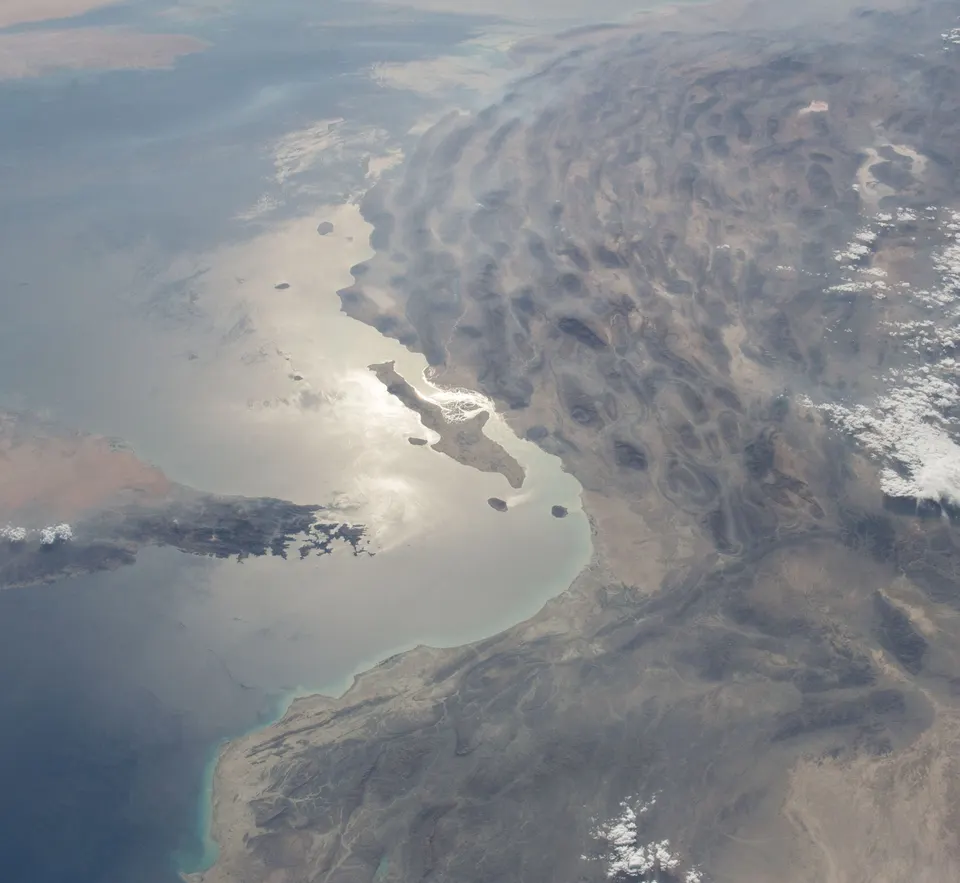
Simultaneously, the energy markets are watching the Strait of Hormuz with intense scrutiny. Reports indicate that Saudi Arabia’s Aramco is rushing crude exports through the reopened waterway, with at least 10 million barrels of crude clearing the strait in recent days. This surge in volume suggests a strategic move by Riyadh to secure market share and ensure supply continuity during a period of high regional tension. For Iran, the stability of the Strait of Hormuz is both a strategic lever and a necessity for its own economic survival. Any disruption here would send Brent crude—and subsequently the USD/IRR exchange rate—into a vertical climb, making the current military warnings a crucial factor for traders to monitor.
The Ideological Standoff: Investment vs. Sovereignty
A significant report from the New York Times has highlighted a persistent friction in US-Iran relations, suggesting that senior American officials believe Tehran might eventually swap its core ideological stance for massive foreign investment. However, historical precedent and current domestic rhetoric suggest otherwise. The Iranian leadership has repeatedly rejected such bargains, viewing them as a compromise on national sovereignty. This ideological rigidity is a fundamental component of the "country risk" that keeps the Rial volatile. As long as the path to a comprehensive economic deal remains blocked by these fundamental disagreements, the market will continue to price in a "sanctions premium."
In the broader economic context, the US proposal aims to ease political scrutiny of its own burgeoning industries, such as AI, by offering the public or even foreign entities a stake in the future. This mirrors discussions within OpenAI to offer the US government a 5% stake to blunt criticism. For Iran, the lesson is one of control; the government's refusal to trade ideology for capital ensures that the economic landscape remains isolated from Western financial cycles but also vulnerable to systemic shocks. Investors should expect the USD to maintain its current support levels as long as the diplomatic deadlock persists, regardless of short-term fluctuations in global oil prices.

Sabotage and Global Infrastructure Risks
The energy sector faced another jolt as German authorities charged a Ukrainian national, identified as Serhii K., with the 2022 sabotage of the Nord Stream pipelines. This development underscores the extreme vulnerability of global energy infrastructure in the current geopolitical climate. While the event occurred years ago, the legal and political fallout today serves as a reminder that the energy war between Russia and the West is far from over. Such revelations keep the risk premium high for all energy-exporting regions, including the Middle East, as they highlight the ease with which critical supply lines can be disrupted by non-state or state-sponsored actors.
For the Iranian economy, which is heavily reliant on energy exports and regional stability, these global sabotage stories act as a catalyst for price speculation. When energy infrastructure in Europe is proven to be at risk, global oil prices tend to become more sensitive to any news out of the Persian Gulf. This sensitivity is reflected in the gold market, where the ounce price has reached a staggering $4,065.50. The interplay between infrastructure security, military warnings, and currency value creates a complex web for the average investor, where a single headline about a pipeline or a shipping lane can shift the value of their Toman-denominated assets in a matter of hours.
Frequently Asked Questions
Why is the USD/IRR rising despite Saudi Arabia increasing oil exports?
What does the 'miscalculation' warning by General Abdollahi mean for markets?
How does the Nord Stream sabotage charge affect Iranian energy policy?
Understanding Geopolitical Risk and Critical Chokepoints: The Strait of Hormuz
Geopolitical risk refers to the potential for political events—such as wars, revolutions, international disputes, or even political transitions—to disrupt global markets, economies, and international relations. Unlike economic cycles, these risks are often unpredictable and can have far-reaching consequences, influencing everything from commodity prices and currency exchange rates to investment flows and supply chains. Understanding geopolitical risk is crucial for policymakers, businesses, and investors seeking to navigate an increasingly interconnected and volatile world.
A prime example of how geopolitical risk manifests is through critical maritime chokepoints, none more significant than the Strait of Hormuz. This narrow waterway, situated between Oman and Iran, is the world's most important oil transit chokepoint. Over a fifth of global petroleum liquids consumption and a quarter of the world's liquefied natural gas (LNG) passes through it daily. Any disruption, threat, or "miscalculation" in this strategic passage has immediate and profound implications for global energy security and prices.
Tensions in and around the Strait of Hormuz directly translate into market volatility. Warnings from regional powers, like those mentioned from Tehran, can cause crude oil prices to spike as traders anticipate supply disruptions. This uncertainty also impacts currency markets, leading to fluctuations in exchange rates, such as the USD to IRR, as investors react to perceived instability. Furthermore, in times of heightened geopolitical risk, safe-haven assets like gold often see increased demand, driving up their prices, as observed in Iran and globally.
The ripple effects extend beyond energy and financial markets. Sustained instability in critical chokepoints can disrupt international trade, increase shipping costs, and impact consumer prices worldwide, potentially slowing global economic growth. While other events like the Nord Stream sabotage or conflicts in Ukraine contribute to the overall geopolitical risk landscape, the Strait of Hormuz remains uniquely central to global oil supply, making it a bellwether for energy-related geopolitical tensions.